A team led by Sebastian Jiménez-Villalón of the Universidad de Chile reports the discovery in the journal Science Advances. The researchers examined embryos of birds and other reptiles at the stage before their bones harden. Dense clusters of cells sketch out the future bone there as if in pencil.
The Wishbone Has Three Possible Origins
Anyone who pulls the wishbone from a roast chicken is holding a furcula. It sits like a brace in front of the chest, and its origin remains disputed.
Three explanations competed. The wishbone might have developed from the two collarbones, or from the interclavicle, a single central bone between the collarbones of many reptiles. The third explanation was that it came from both together.
The Arms of the V Match Ancient Collarbones
The embryos provide the strongest clue yet for the first part of the dispute. The paired cell clusters lie exactly where reptiles develop their collarbones. The points where they turn into bone also match.
This strongly suggests that the two side arms of the wishbone correspond to reptilian collarbones. But the centre of the V remained a mystery.
A Third Piece Appears in the Tinamou Egg
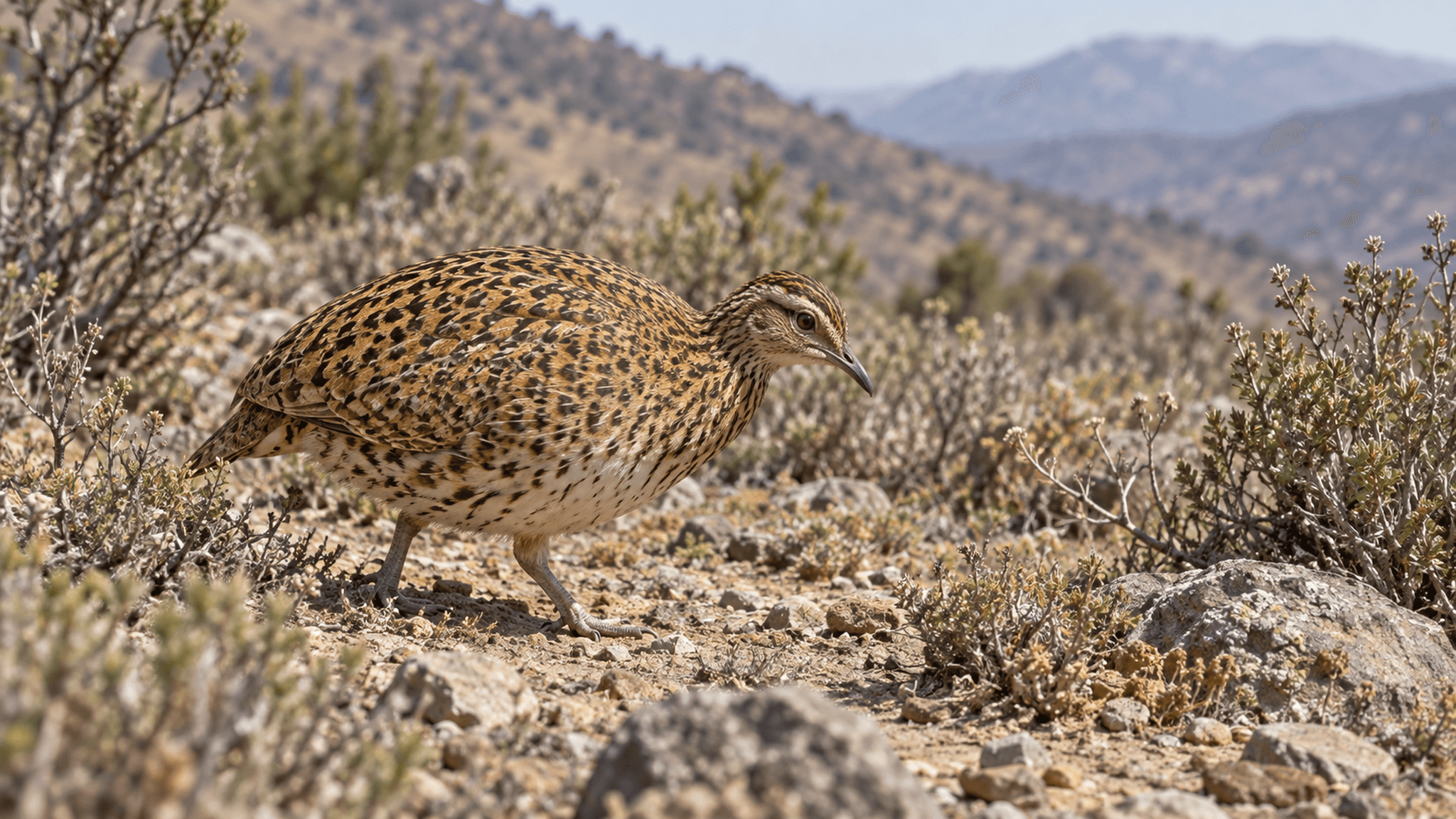
Then comes the outlier: the Chilean tinamou (Nothoprocta perdicaria). It is related to ostriches and emus but, unlike them, can still fly. In its embryos, the researchers discovered a third cell cluster, positioned exactly between the two developing collarbones, and it resembles the central bone found in reptiles.
The central piece quickly fuses with its neighbours. Even so, it then forms its own ossification centre—a separate point from which bone develops.
The team examined which reptiles and birds display this pattern. Its distribution across the evolutionary family tree supports a composite wishbone made from two collarbones and the central bone.
The Seam Vanishes Before It Can Form
The components fuse so early that they grow into a seamless bone. That could explain why fossilised wishbones have so far kept their origins hidden. The rock preserves only the finished V, with no join and no trace of its separate parts.
As early as 2013, the researchers Tschopp and Mateus challenged the widespread view that the wishbone consisted of fused collarbones. They examined diplodocids, a family of sauropods—the giant plant-eating dinosaurs. From this, they concluded that the wishbone was a remodelled central bone.
The embryos suggest that both camps were right, because both origins are locked inside a single bone. In the study’s interpretation, the arms descend from the collarbones, while the centre contributes a separate piece of its own.
The Clue Was Hidden in the Egg
A wishbone in rock can consist of three components even when no seam tells their story. The decisive clue came from a bird that today walks through scrub and dry mountain forests in central Chile, at elevations between 400 and 2,000 metres.
---