Evolution
Deep ancestry
9 articles · Page 1 / 1 · All sections in the archive
 Evolution
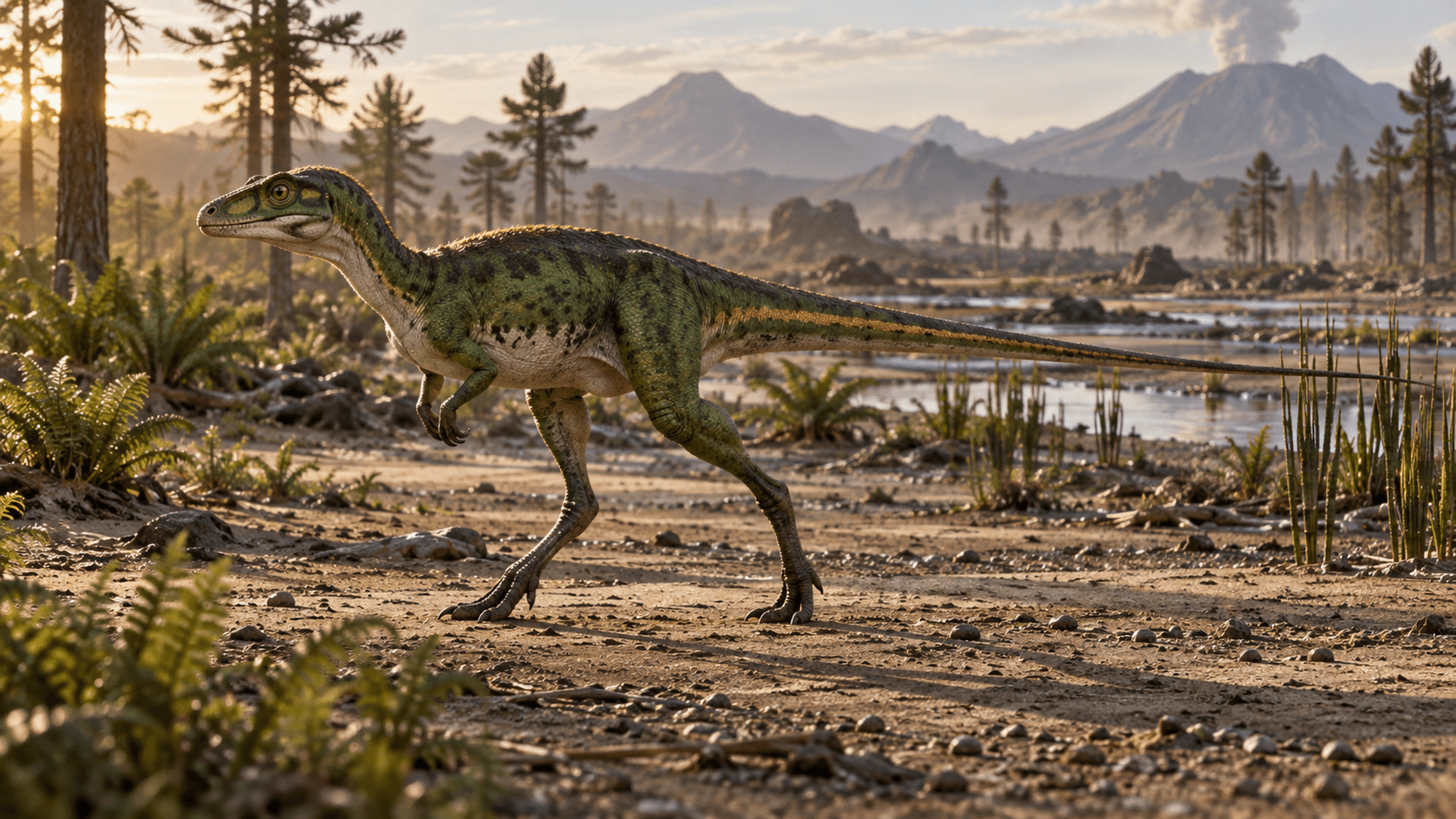
 · 14 Oct 2026Palaeontologists have redrawn the evolution of the dinosaur spine: when early dinosaurs gained an extra vertebra in the sacrum, the part of the spine firmly joined to the pelvis, they lost one from the back! According to the new analysis, the additional pelvic vertebrae were remodelled trunk vertebrae that had shifted from the back into the pelvis. Evolution did not invent new vertebrae for the job.
 Evolution
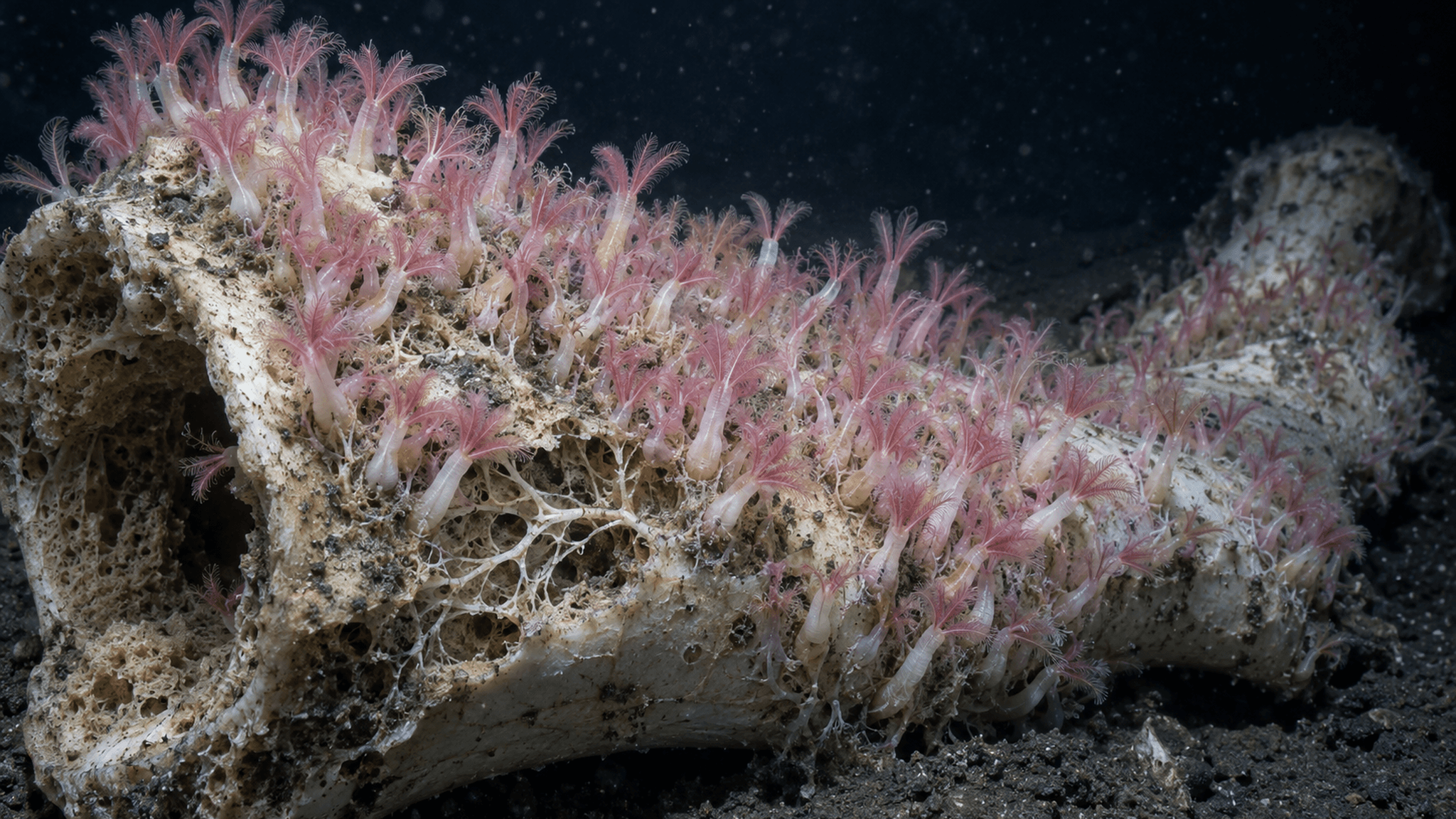
 · 13 Oct 2026Researchers have discovered three new species of bone-eating worms around the Iberian Peninsula! They found the animals on cow and pig bones that they had deliberately sunk to depths of 90 to 1,200 metres. *Osedax* worms have neither mouths nor guts and depend on bacteria capable of digesting the organic material inside bones.
 Evolution
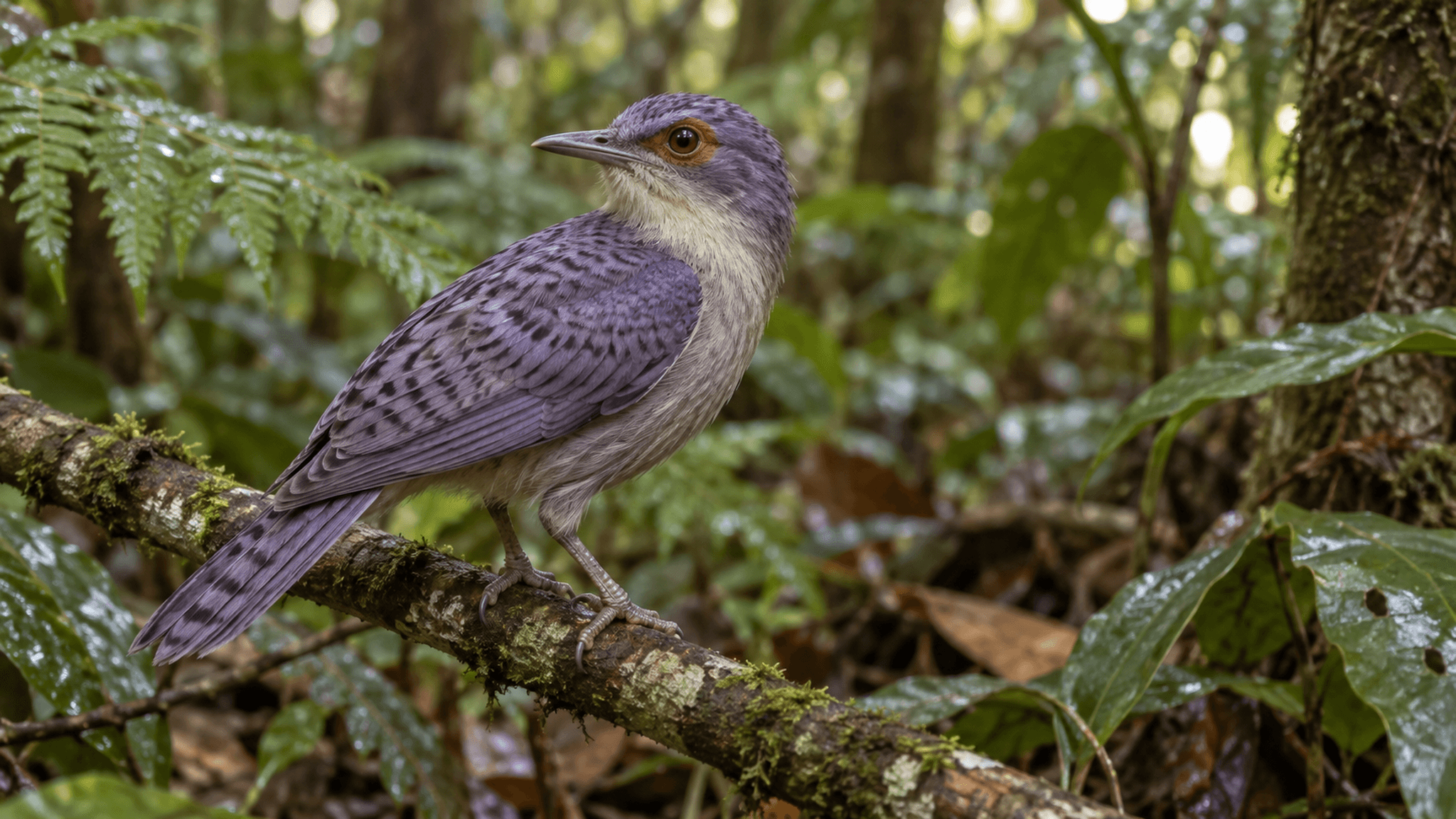
 · 13 Oct 2026Researchers studying 146 living and recently extinct crown birds have uncovered a startling contradiction: when birds lose the ability to fly, the semicircular canals in their inner ears — tiny ring-shaped tubes responsible for balance — change only slightly. Yet they respond strongly to a remodelled skull. For avian evolution, this means the supposed signature of flight in the ears of early birds probably arose as the joint between the head and neck was rebuilt.
 Evolution
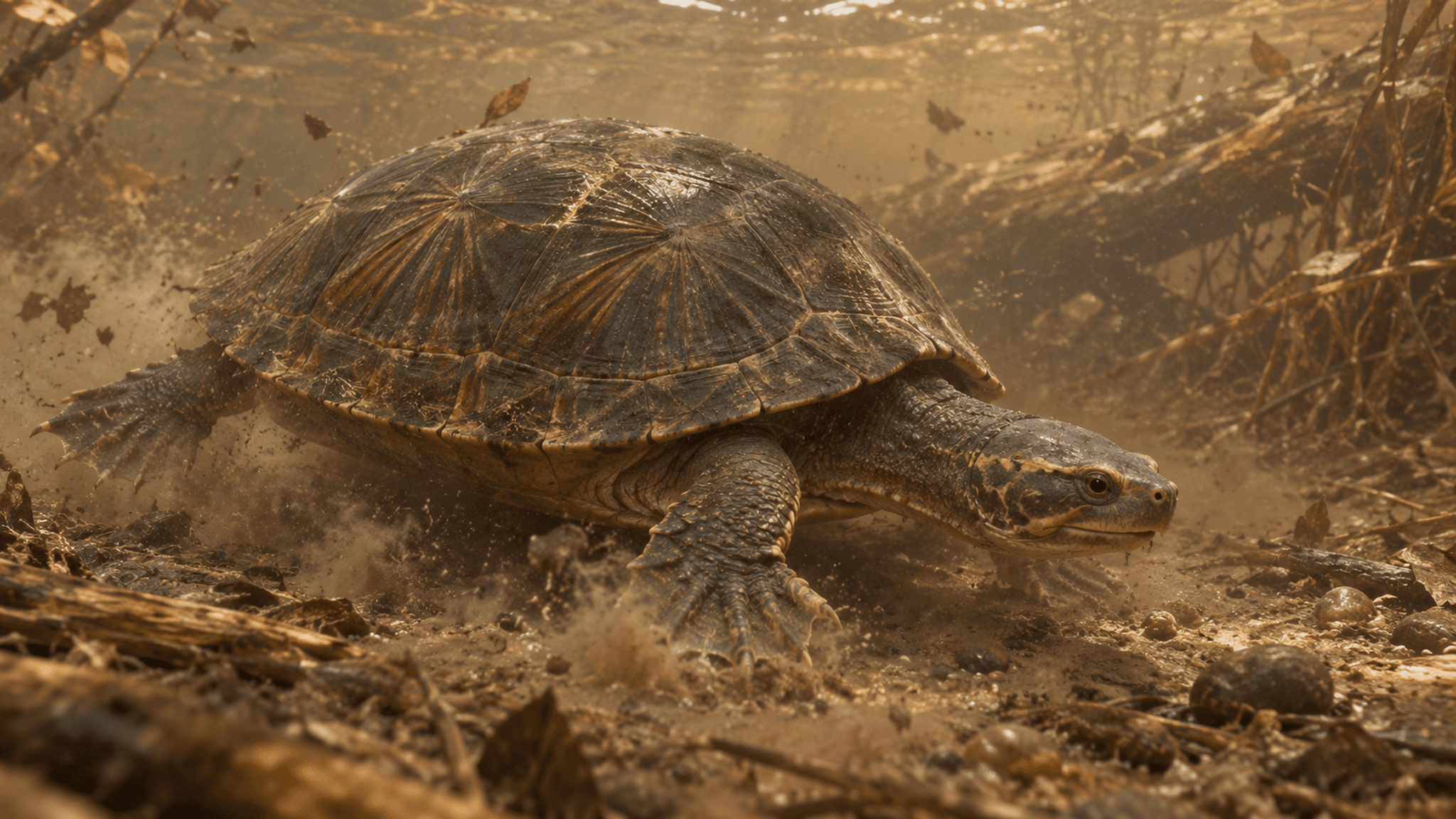
 · 8 Oct 2026Around 75 million years ago, a turtle lived in the rivers of what is now Alberta. *Plesiobaena antiqua* was the most common Cretaceous turtle in Canada’s Dinosaur Park Formation. X-ray scans of four skulls and three lower jaws now show that its head changed as it grew. The jaws also fit a shift towards hard food.
 Evolution
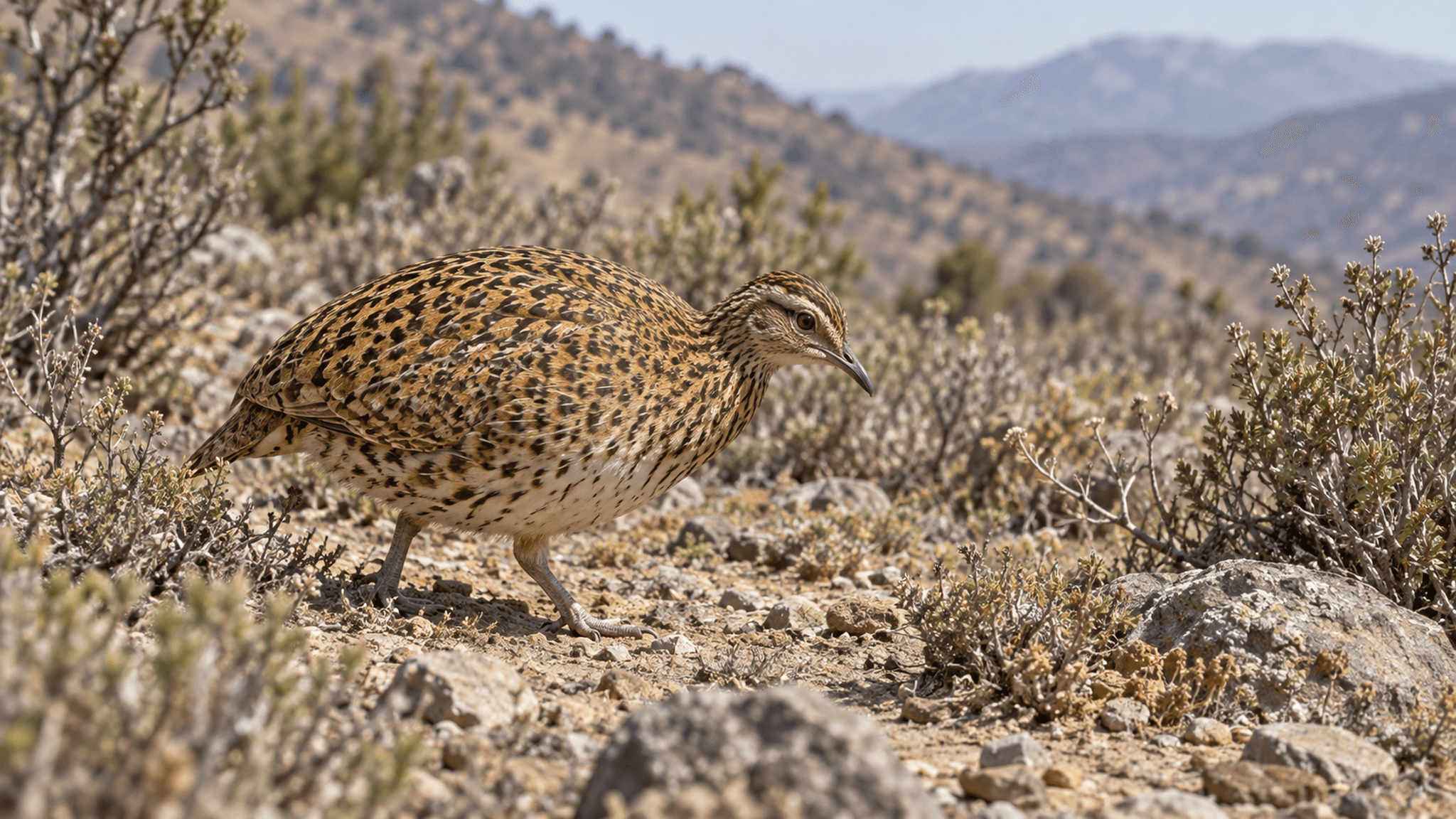
 · 8 Oct 2026Inside the egg of a Chilean tinamou, three developing bone structures grow together into a single V. A new embryo study suggests that the bird wishbone arose this way: from two collarbones and a central piece. The question is ancient, because theropod dinosaurs already carried wishbones, yet fossils have never revealed where they came from.
 Evolution
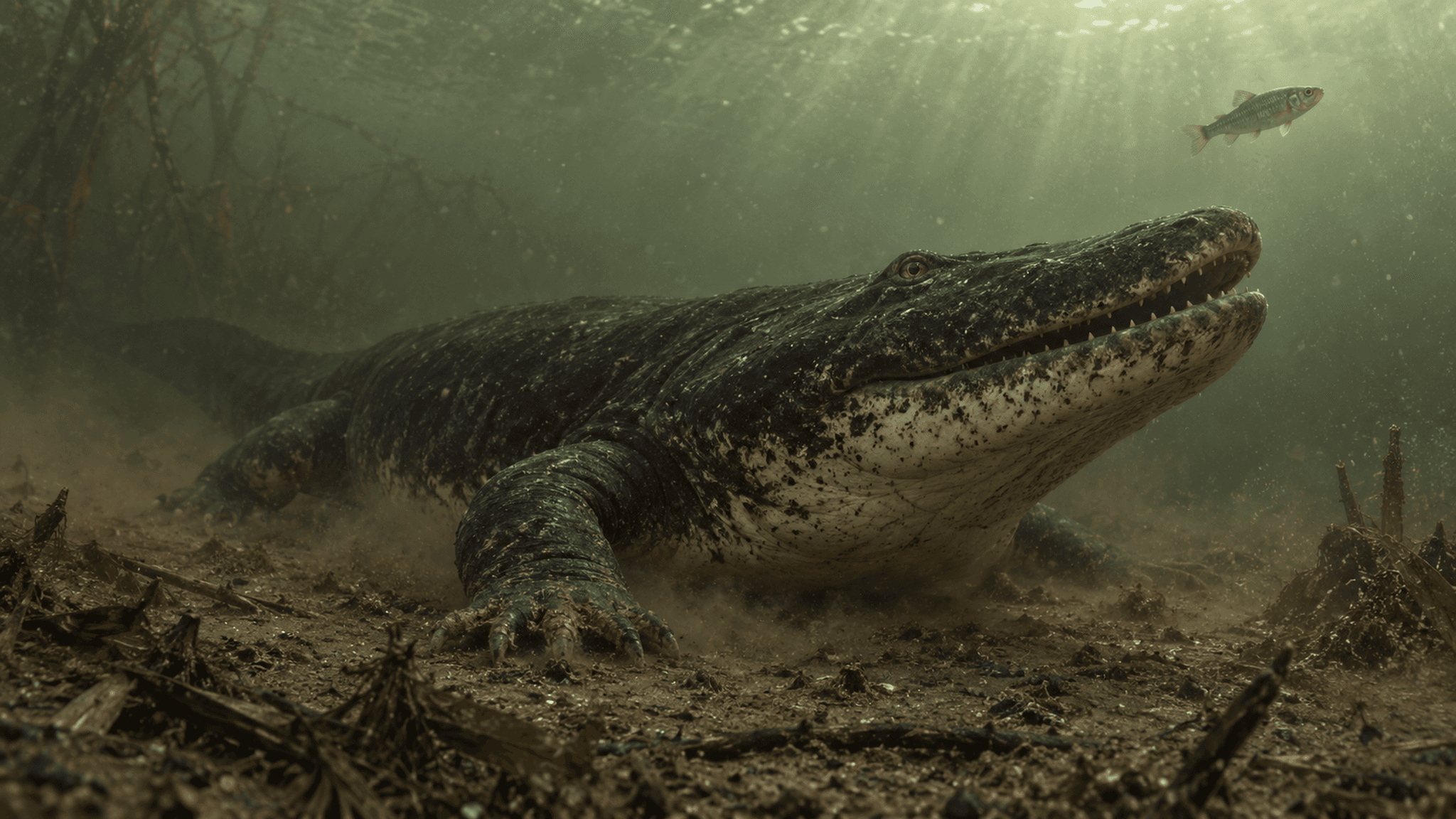
 · 6 Oct 2026A five-metre predator lies motionless on the bed of a Triassic lake. Then its jaws snap shut. Its tongue was probably weak and barely mobile. But the head of the giant amphibian *Mastodonsaurus* housed more jaw muscles than researchers had ever assumed. Its fossils come mainly from Baden-Württemberg and Bavaria, and they reveal an ingenious feeding trick.
 Evolution
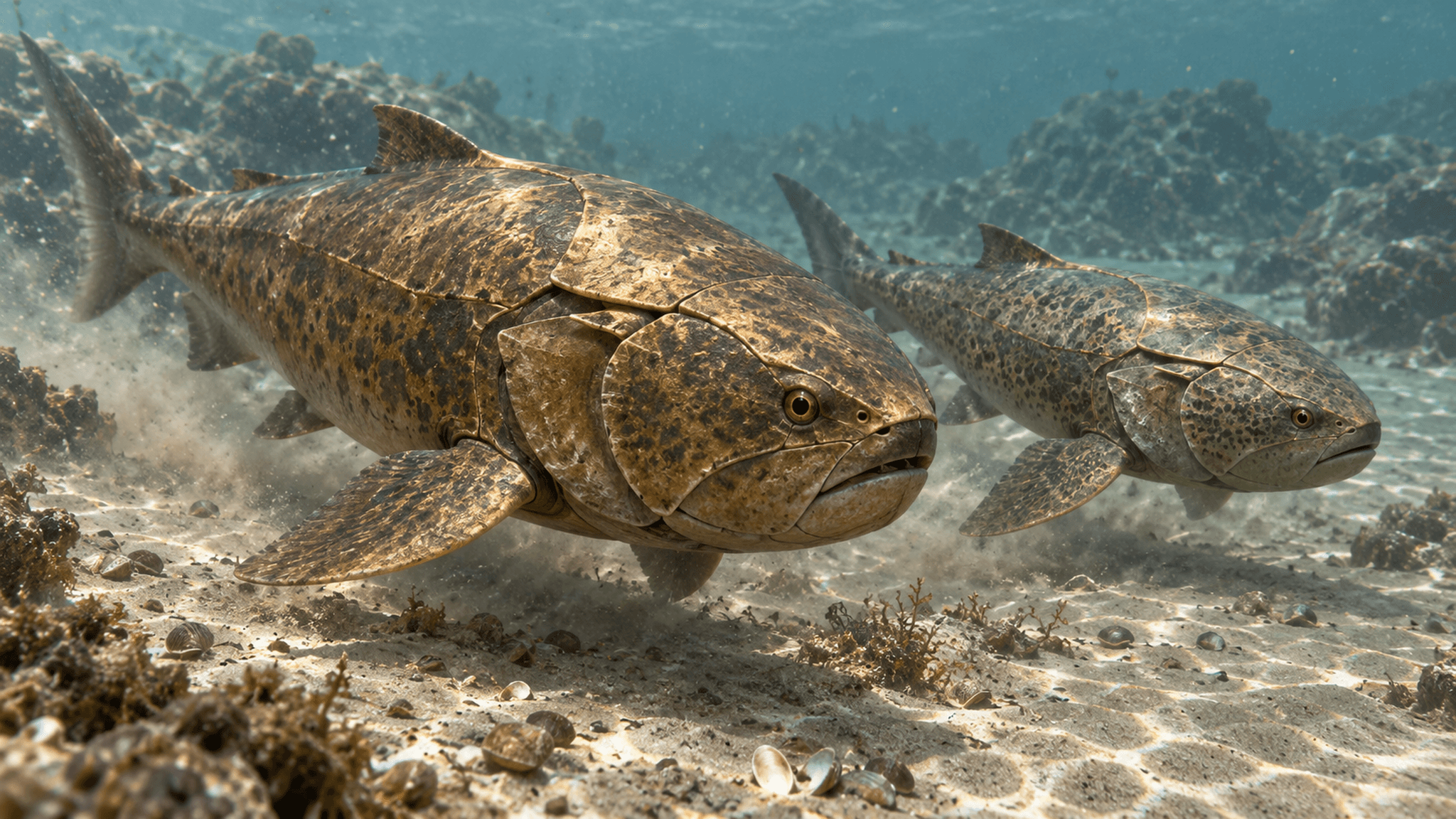
 · 2 Oct 2026A Silurian fossil kept its secret for a long time: *Entelognathus primordialis* carried two gill-cover plates rather than the single plate described until now. New scans of the original specimens reveal the truth. They change our picture of early jawed armoured fish. A structure once thought to be cartilage is actually a bony projection – and a second ancient fish shares the most striking features of this design.
 Evolution
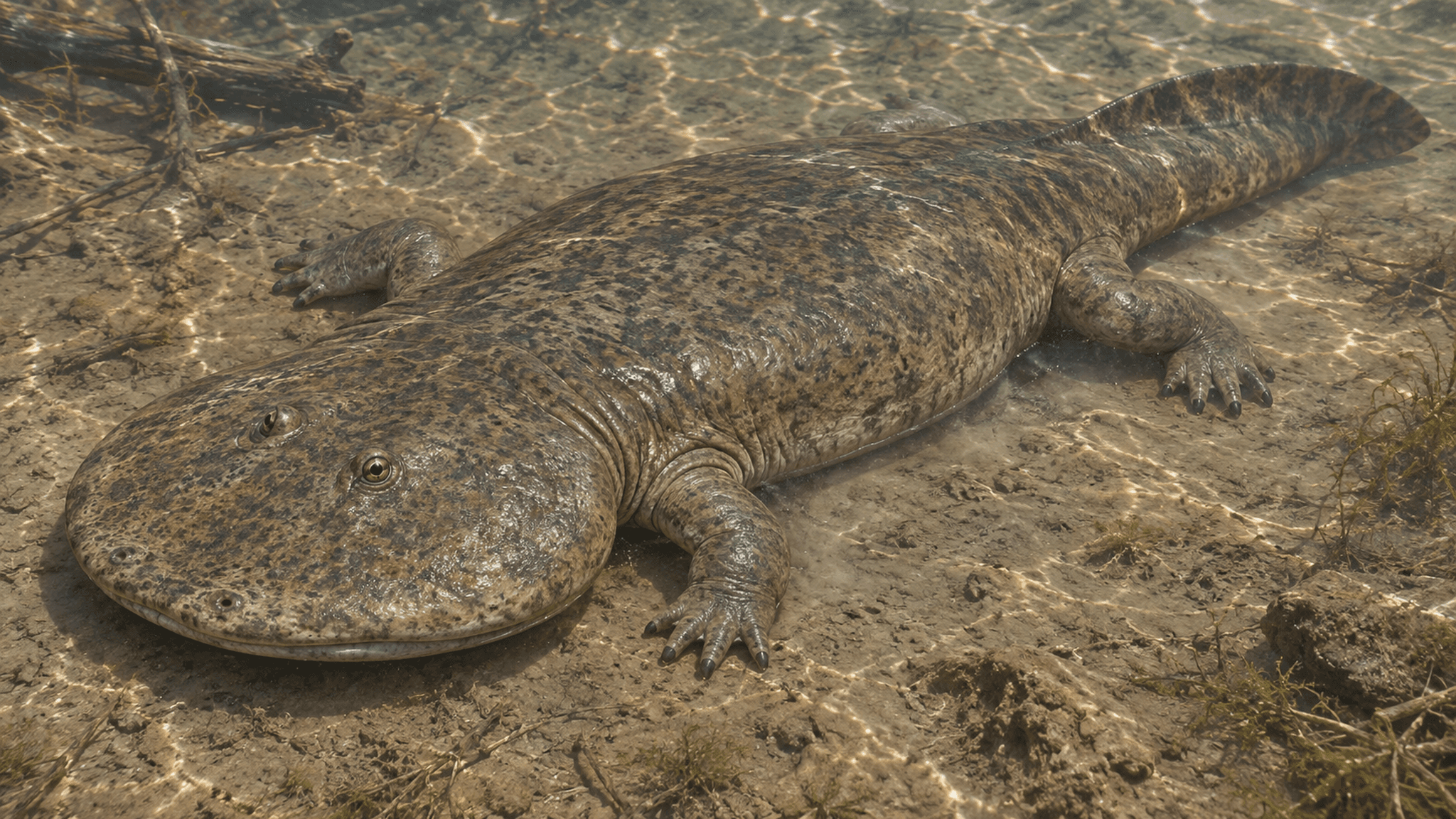
 · 24 Sept 2026A new study redraws the family tree of North America’s Triassic amphibians. Fossils from Texas, New Mexico and Arizona had previously been grouped under the name *Anaschisma browni*. The analysis does not support that merger. Two species from Texas therefore receive genera of their own. Among the supposed dwarf *Apachesaurus gregorii*, the researchers also uncovered a specimen believed to represent an adult animal.
 Evolution
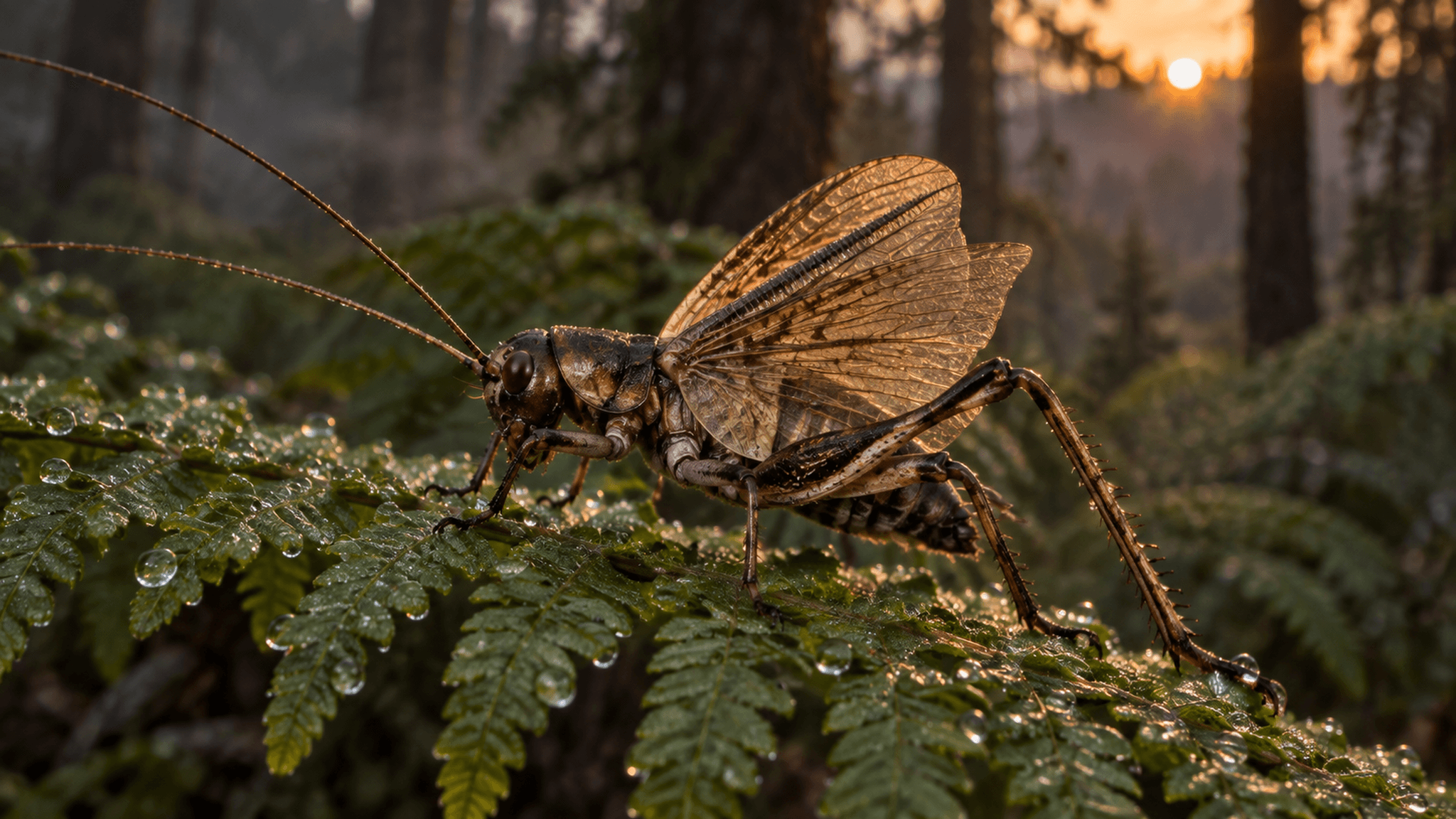
 · 11 Sept 2026Ultrasound in the Jurassic, long before bats: an insect was already calling above 20 kilohertz. Researchers have reconstructed its call from fossils, uncovering a striking clue to the dangers of ancient insect song. A singer reaches unwanted listeners too: predators searching for prey. At the centre of the discovery are 20 fossils from China and one unusually high-pitched voice.
