66,000,000 years ago today · Cretaceous–Paleogene boundaryTuesday, 15 September 2026 · Strictly scientific. Always sourced.
Latest
New marine reptile? This skull bone matches no known mosasaurWood in Volcanic Debris: This New Species Raises a Mystery!Impossible? This Dinosaur Bone Still Contains Original ProteinFeeding traces on dinosaur bones: Who plundered the carcasses?Long-Necked Dinosaurs: After the Crash Came Another Boom!Feathers in dinosaur poop: This little lump packs a surprise!Medusaceratops: Pus in its bone – and it lived on!New marine reptile? This skull bone matches no known mosasaurWood in Volcanic Debris: This New Species Raises a Mystery!Impossible? This Dinosaur Bone Still Contains Original ProteinFeeding traces on dinosaur bones: Who plundered the carcasses?Long-Necked Dinosaurs: After the Crash Came Another Boom!Feathers in dinosaur poop: This little lump packs a surprise!Medusaceratops: Pus in its bone – and it lived on!

Fossil Finds

Worldwide

4 articles · Page 1 / 1 · All sections in the archive

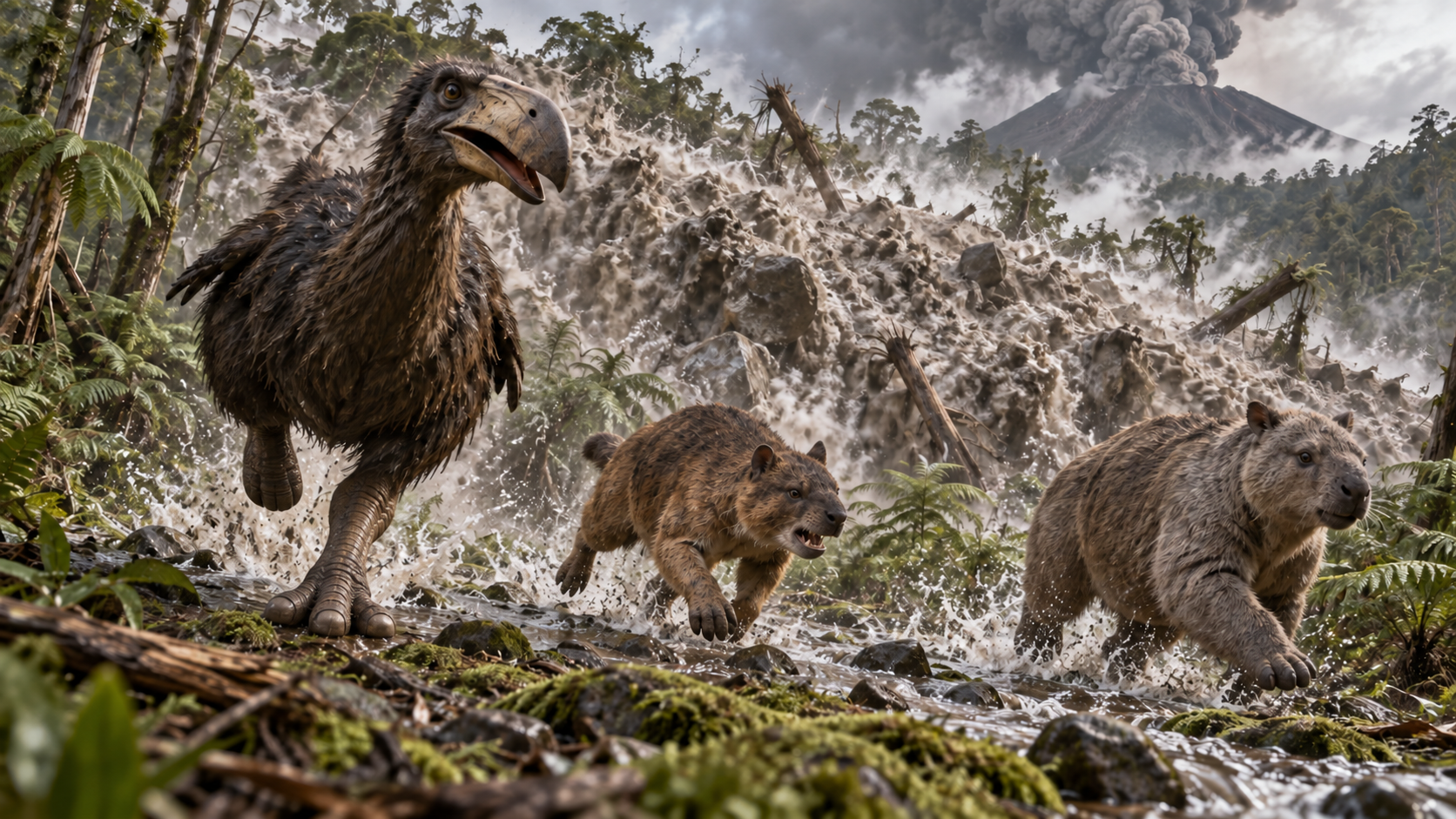
Artistic depiction: three extinct animals from Oligocene Australia – the thunder bird Barawertornis, the giant rat-kangaroo Ekaltadeta and the marsupial Ngapakaldia – flee a volcanic mudflow. Scene and animals are not from the study.Fossil Finds
Fossil Finds · yesterday

Wood in Volcanic Debris: This New Species Raises a Mystery!

Fossil wood from Queensland has a new name: *Scalarixylon lahar*. The species comes from Oligocene volcanic deposits near Maidenwell in the south-east of the Australian state. Its wood bears a pattern also seen in fossil protea-family wood from South America. The vegetation at the site grew under permanently moist conditions and was dominated by rainforest plants. One big question remains: which living genus does it belong to?

CheckedSource: DOI: 10.1071/sb26004
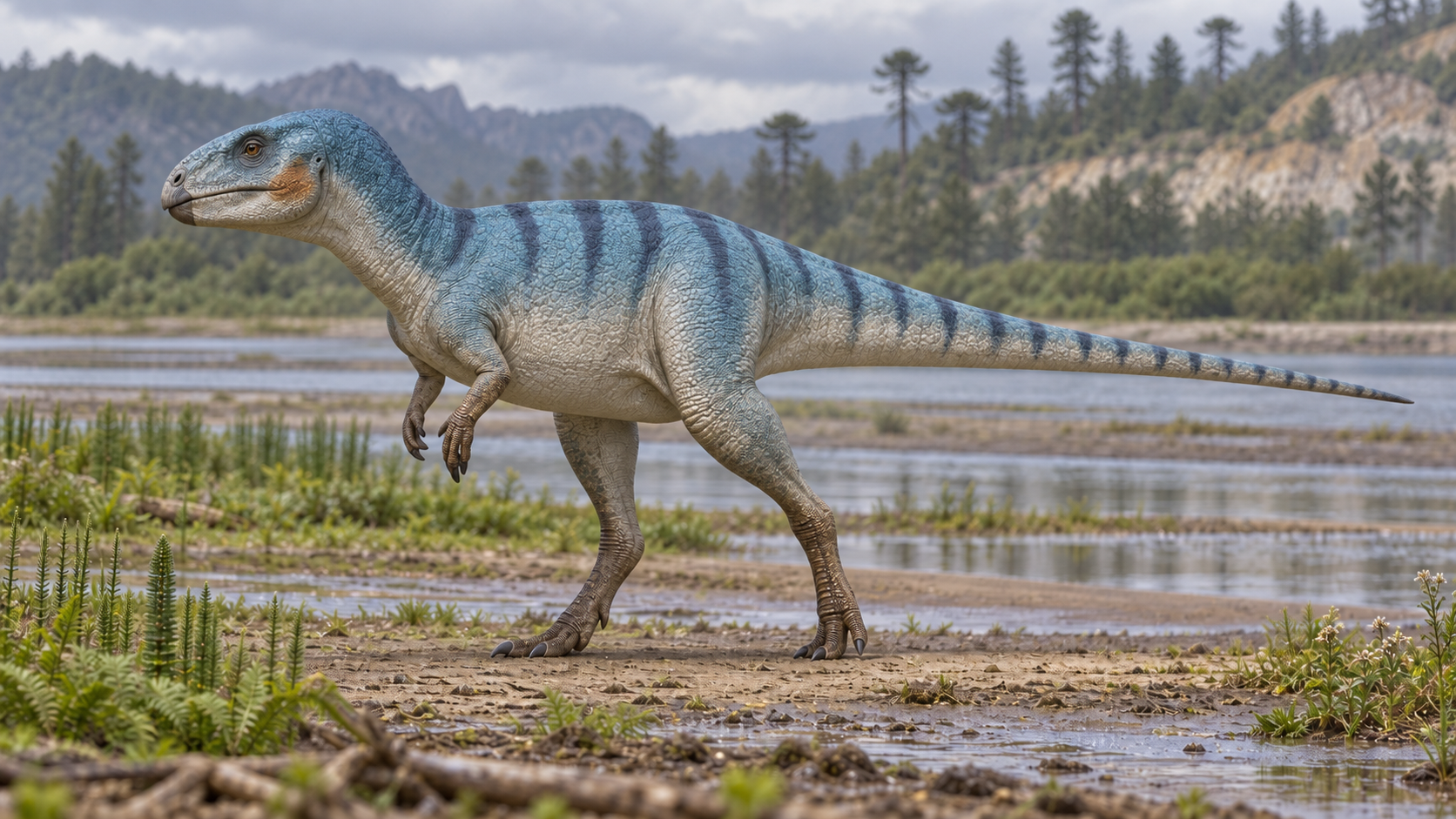
AI life reconstruction of an indeterminate rhabdodontid from Haţeg. Body plan based on Zalmoxes robustus for comparison; colouration and pattern are speculative.Fossil Finds
Fossil Finds · 2 days ago

Feeding traces on dinosaur bones: Who plundered the carcasses?

A tunnel pierces the shell of a Cretaceous turtle. Nearby, feeding traces on dinosaur bones point to three suspects: probably termites, hide beetles and multituberculates, an extinct group of mammals. Six forms of pits, tunnels and grooves turn the bones from Romania’s Haţeg Basin into a case file on what happened after death.

CheckedSource: DOI: 10.3897/fr.29.189421
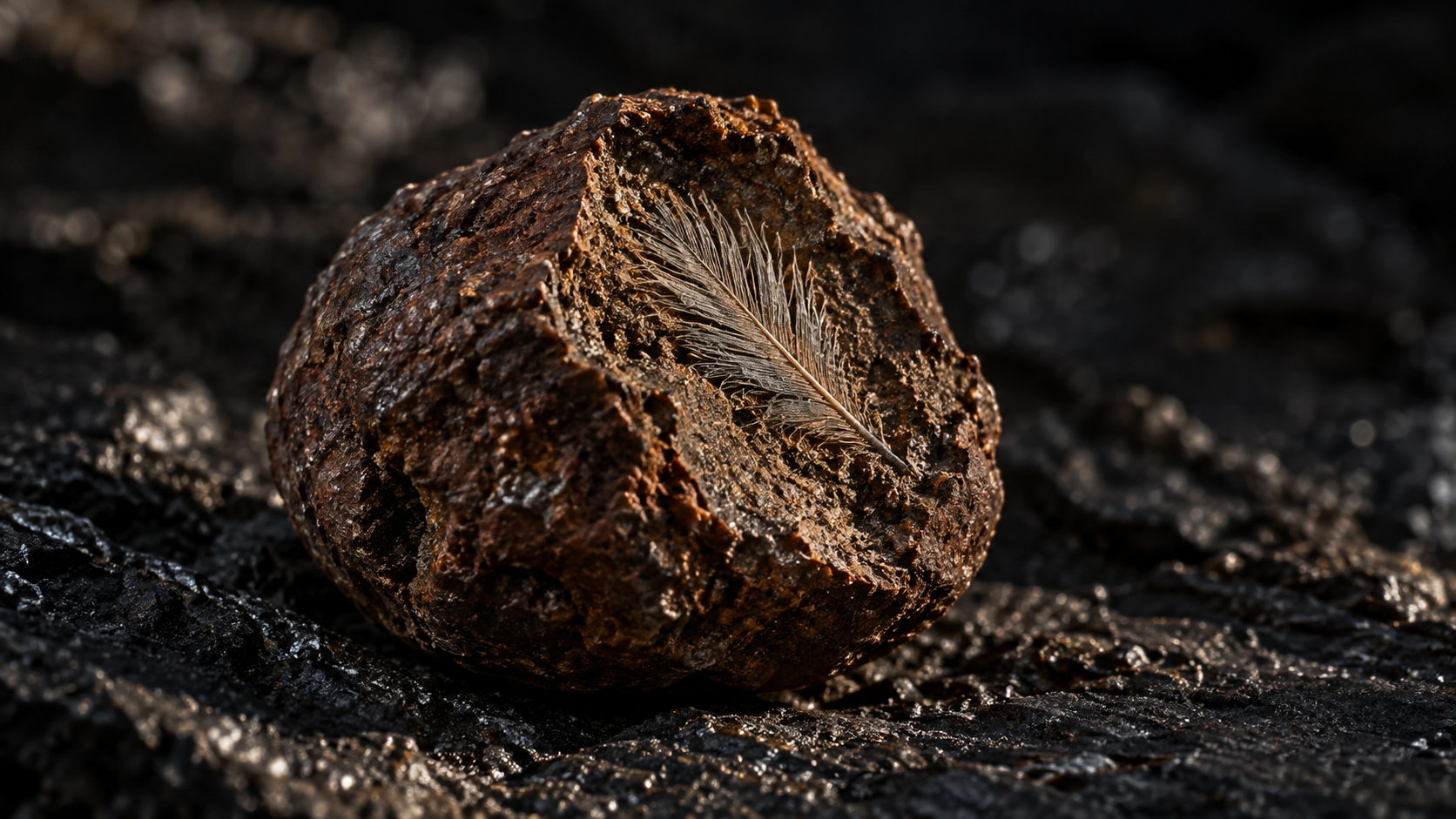
Original illustration of a coprolite with an exposed feather; not a depiction of the actual fossil.Fossil Finds
Fossil Finds · 3 days ago

Feathers in dinosaur poop: This little lump packs a surprise!

Feathers in dinosaur poop have put researchers on an unexpected trail: an unassuming lump from Montana preserves bird remains from around 66 million years ago. A tiny feather sits on the surface, with more feathers, scales and bones hidden inside. The find records a meal – and could help explain why some bird groups survived the mass extinction while others vanished.

CheckedSource: DOI: 10.1016/j.cub.2026.08.054
Fossil teeth of the three known Rudiomys species from the late OligoceneFossil Finds
Fossil Finds · 4 Sept 2026

Two New Rudiomys Species from Montana

Fossils from Montana and new material from Oregon expand a little-known late Oligocene rodent genus and support a cautious interpretation of habitat specialisation.

CheckedSource: New material and two new species of the poorly known rodent Rudiomys (Aplodontiidae: Meniscomyinae) from the late Oligocene John Day Formation of Oregon and the Renova Formation of Montana