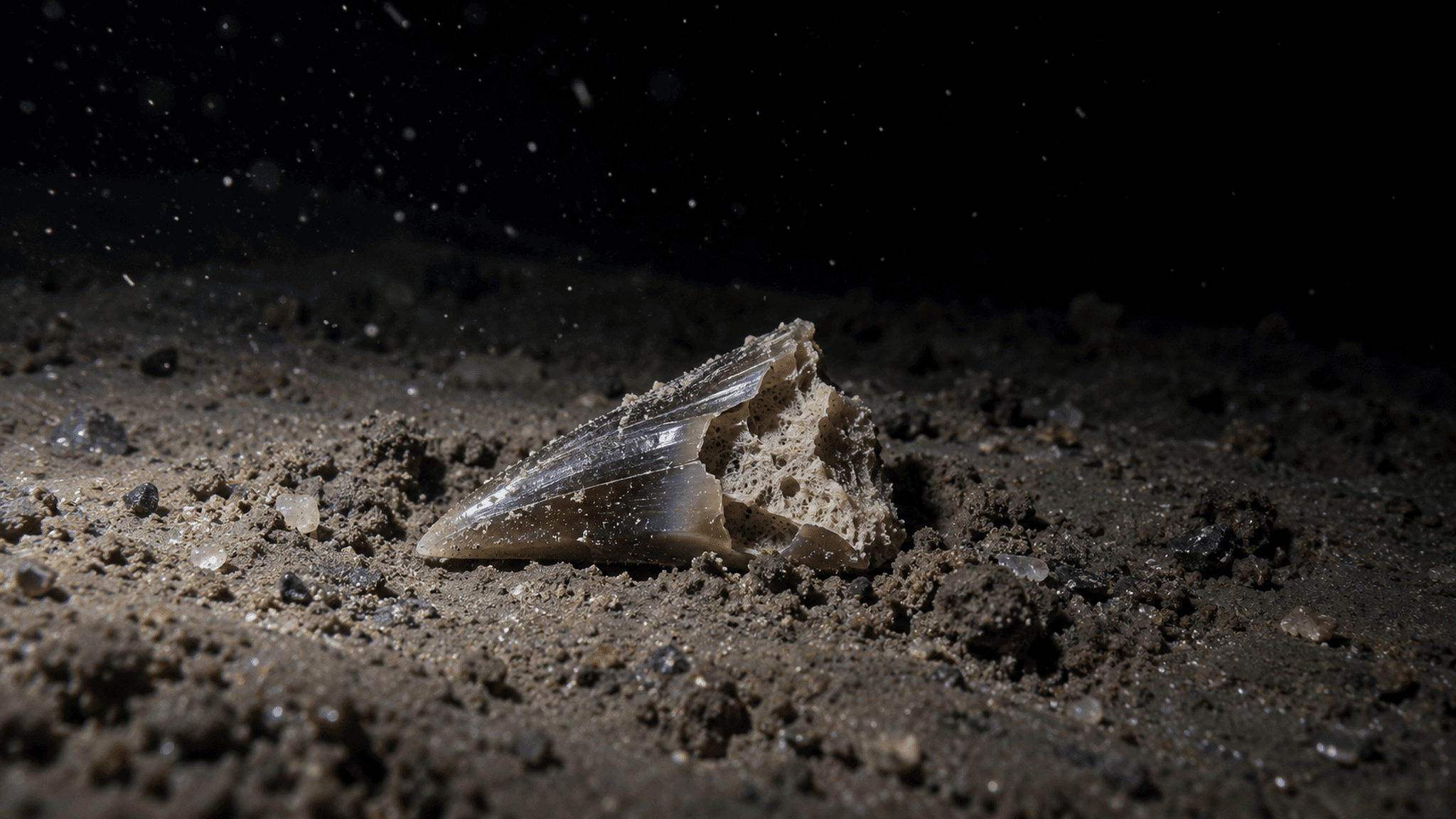
Rodrigo Temp Müller of the Federal University of Santa Maria presents his review in the Journal of Paleontology. His treasure trove is the Santa Maria rock sequence in the state of Rio Grande do Sul. There, dinosaurs and their closest relatives lie in an almost unbroken succession, from the Middle to the Late Triassic.
The Mammal Ancestors Held the Territory
Anyone roaming southern Brazil at the time would first have encountered other rulers. Synapsids, the early relatives of mammals, and reptiles from the crocodile lineage dominated life on land. Dinosaurs first had to force their way into this crowded world.
The rocks holding their remains rank among the oldest dinosaur sites ever found. Guinness World Records lists the Santa Maria Formation, at around 233.2 million years old, as the world’s oldest known dinosaur fossil site. Argentina’s Ischigualasto Formation is only 1.5 million years younger — the blink of an eye in Earth’s history.
The First Apex Predator Rose — Then Vanished
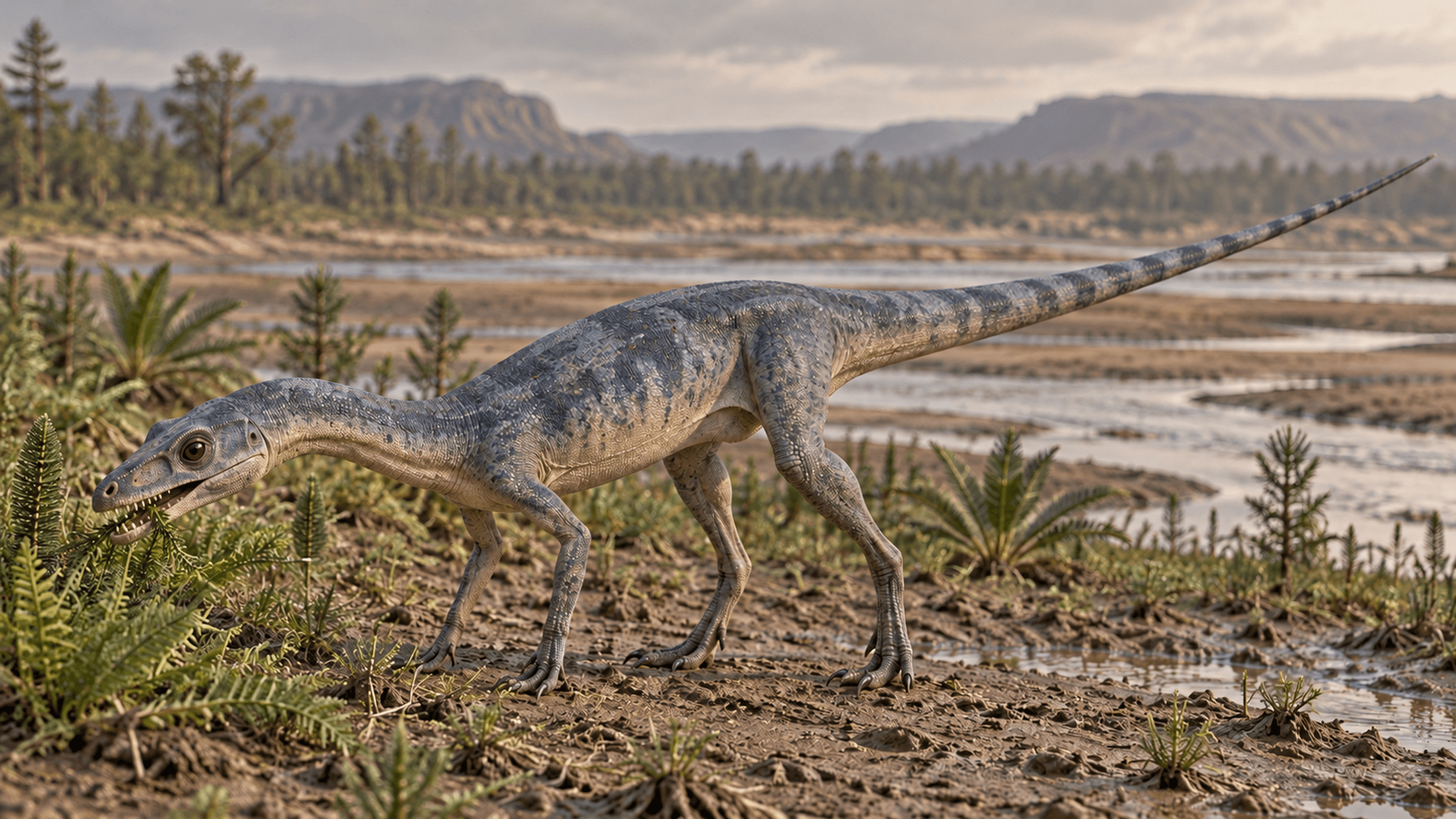
A two-metre predator, as long as a sofa: Staurikosaurus pricei hunted in what is now southern Brazil between 227 and 221 million years ago. It belonged to the herrerasaurids, an early family of predatory dinosaurs that became the first to climb to the top of the food chain.
Reconstructions show it sprinting through the undergrowth on two legs, body held horizontally, seizing animals smaller than itself. But its reign did not last. The Brazilian fossils chart both the rise of the herrerasaurids and their extinction.
Small Meat-Eaters Became Plant-Eaters
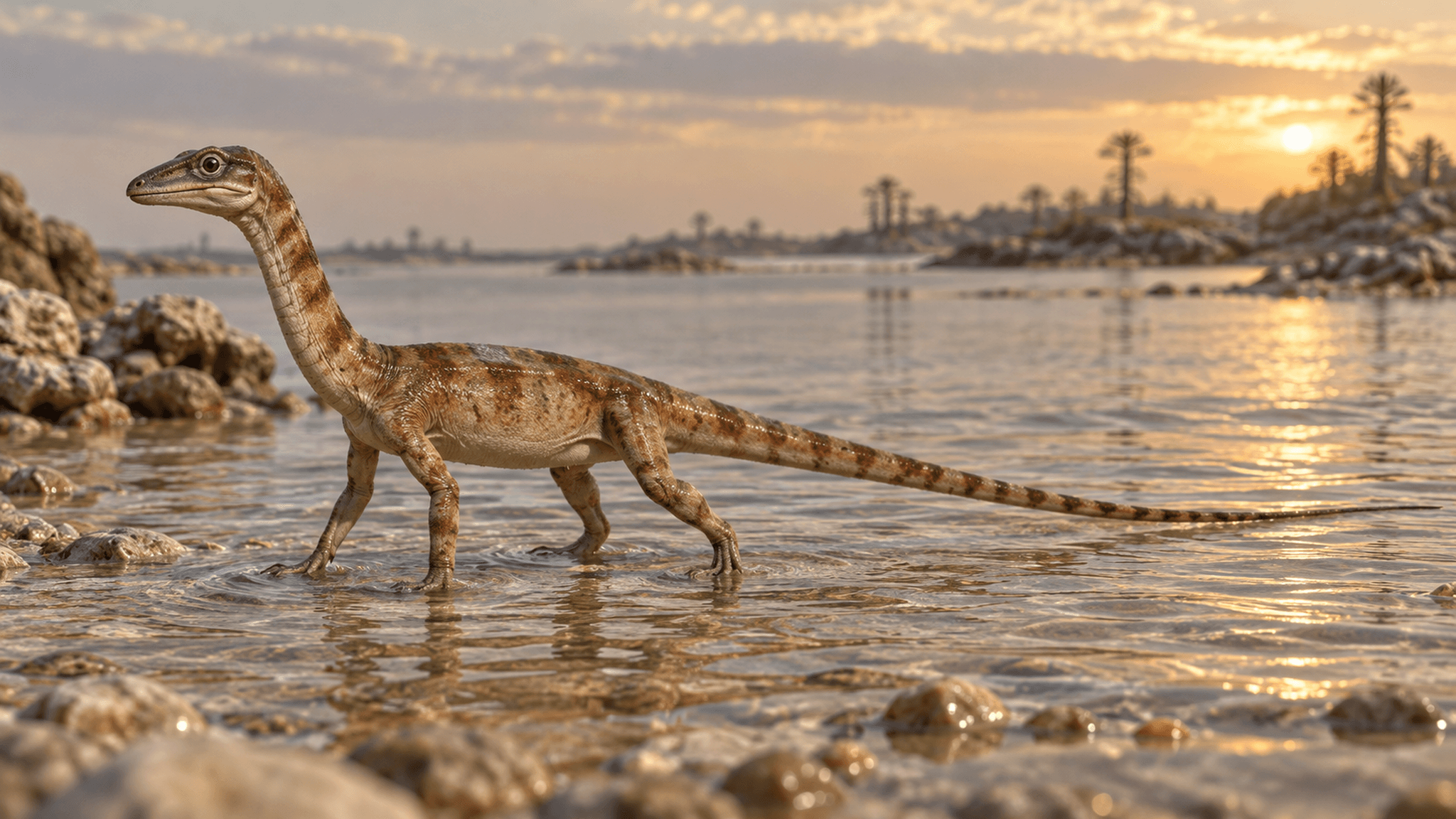
The ancestors of the sauropods, the giant plant-eating dinosaurs, took a very different path. Their earliest representatives were small and ate meat. Over time, they became larger animals that lived on plants.
Their paths therefore split early. One lineage seized the top of the food chain and disappeared. The other grew step by step into the role of plant-eaters.
Complete Skulls Instead of Bone Fragments
Several skulls remain embedded in the rock with their bones still arranged as they were in life, while some skeletons are nearly complete. Such finds reveal how these animals were built, how varied they looked and how they lived. According to Müller, they have significantly advanced our understanding of early dinosaurs.
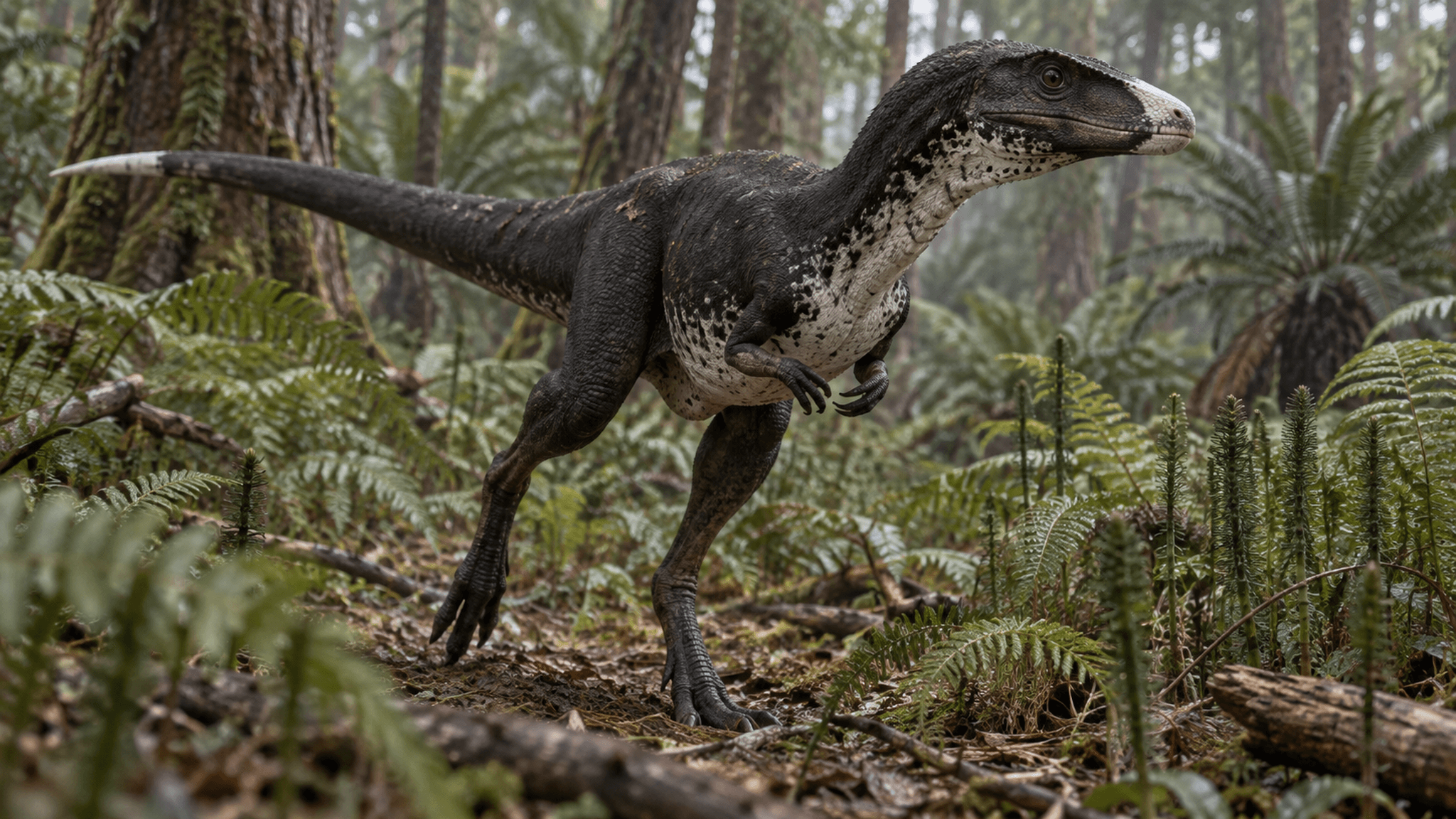
One example is Venetoraptor gassenae. This roughly 230-million-year-old animal from the Santa Maria Formation had a bird-of-prey-like beak and large claws. Researchers described it in 2023 as a lagerpetid, a close relative of the pterosaurs. Its fossil offers the most complete view yet of the face of this group.
One Find Divides the Experts
The Brazilian Sacisaurus agudoensis presents a thornier case. It belongs to the silesaurids, animals almost indistinguishable from dinosaurs. Some studies place this group directly beside the dinosaurs; others already count it as part of one of the major dinosaur branches.
According to Müller, the precise age of some rock layers and the relationships among many of the animals also remain unresolved. None of this makes southern Brazil the birthplace of the dinosaurs.
Southern Brazil Becomes a Logbook of Dinosaur Origins
Almost unbroken rock layers combined with exceptionally well-preserved animals make this region special. According to Müller, its Triassic fossils are among the world’s most revealing records of the early evolution of dinosaurs and their relatives. New discoveries and more precise dating should show how quickly their rise unfolded, which paths it followed and what kind of environment shaped it.
---