66,000,000 years ago today · Cretaceous–Paleogene boundaryMonday, 14 September 2026 · Strictly scientific. Always sourced.
Latest
New marine reptile? This skull bone matches no known mosasaurWood in Volcanic Debris: This New Species Raises a Mystery!Impossible? This Dinosaur Bone Still Contains Original ProteinFeeding traces on dinosaur bones: Who plundered the carcasses?Long-Necked Dinosaurs: After the Crash Came Another Boom!Feathers in dinosaur poop: This little lump packs a surprise!Medusaceratops: Pus in its bone – and it lived on!New marine reptile? This skull bone matches no known mosasaurWood in Volcanic Debris: This New Species Raises a Mystery!Impossible? This Dinosaur Bone Still Contains Original ProteinFeeding traces on dinosaur bones: Who plundered the carcasses?Long-Necked Dinosaurs: After the Crash Came Another Boom!Feathers in dinosaur poop: This little lump packs a surprise!Medusaceratops: Pus in its bone – and it lived on!

Tiefenzeit

Explore Tiefenzeit.

A meeting place for curious minds exploring deep time. Videos to dive into. Articles and sources to read. Field Notes to keep you coming back.

Latest short on YouTube

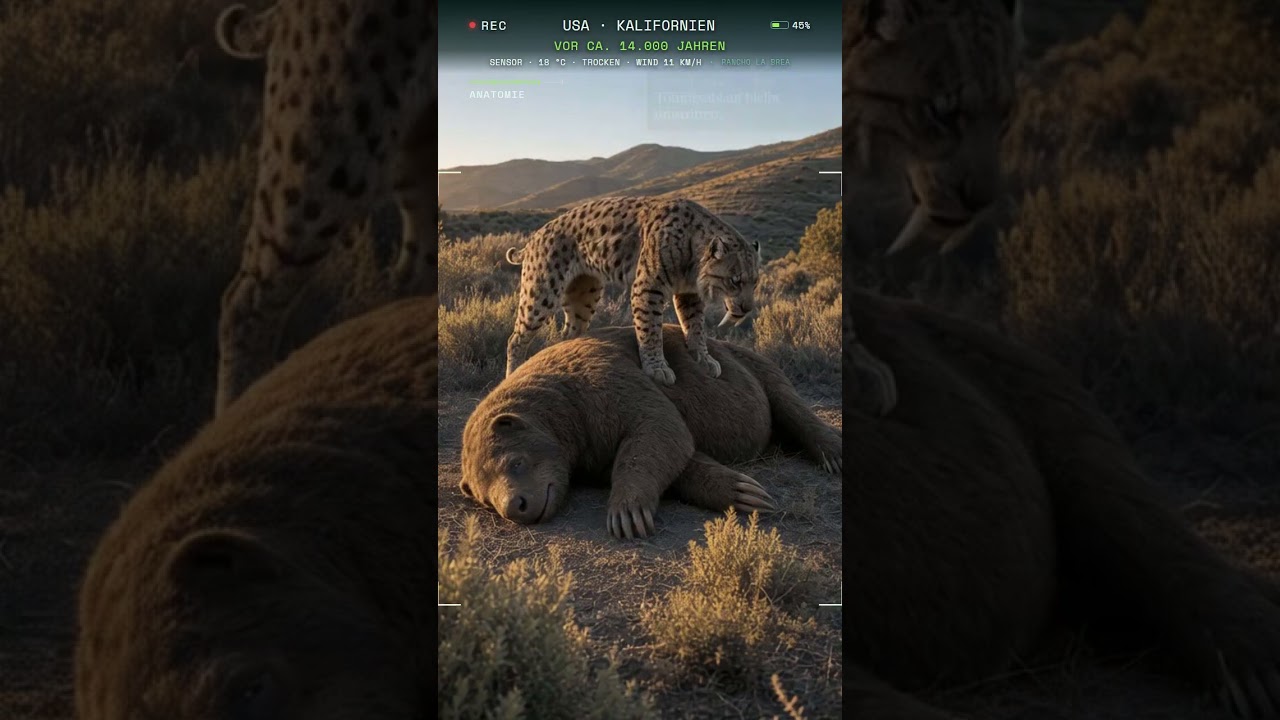
Smilodon: huge jaws, but a weaker bite

The short explores three questions about Smilodon: its forelimbs, jaws and tooth wear.

1:48 minGerman audio

Watch, then read further: this page brings together the short’s sources and current articles from the newsroom.

Video preview: Smilodon: huge jaws, but a weaker bite
Watch directly on YouTube

Your next journey into deep time awaits.

Follow @tiefenzeitdoku on YouTube. Our videos have German audio.

Subscribe to Tiefenzeit on YouTube

Sources for the Smilodon short

These studies are linked in the video description. The animal and reporter scenes in the short are AI-generated reconstructions.

View the studies (7)

From the newsroom

Browse every article

Three recent articles, each with its own subject and sources.

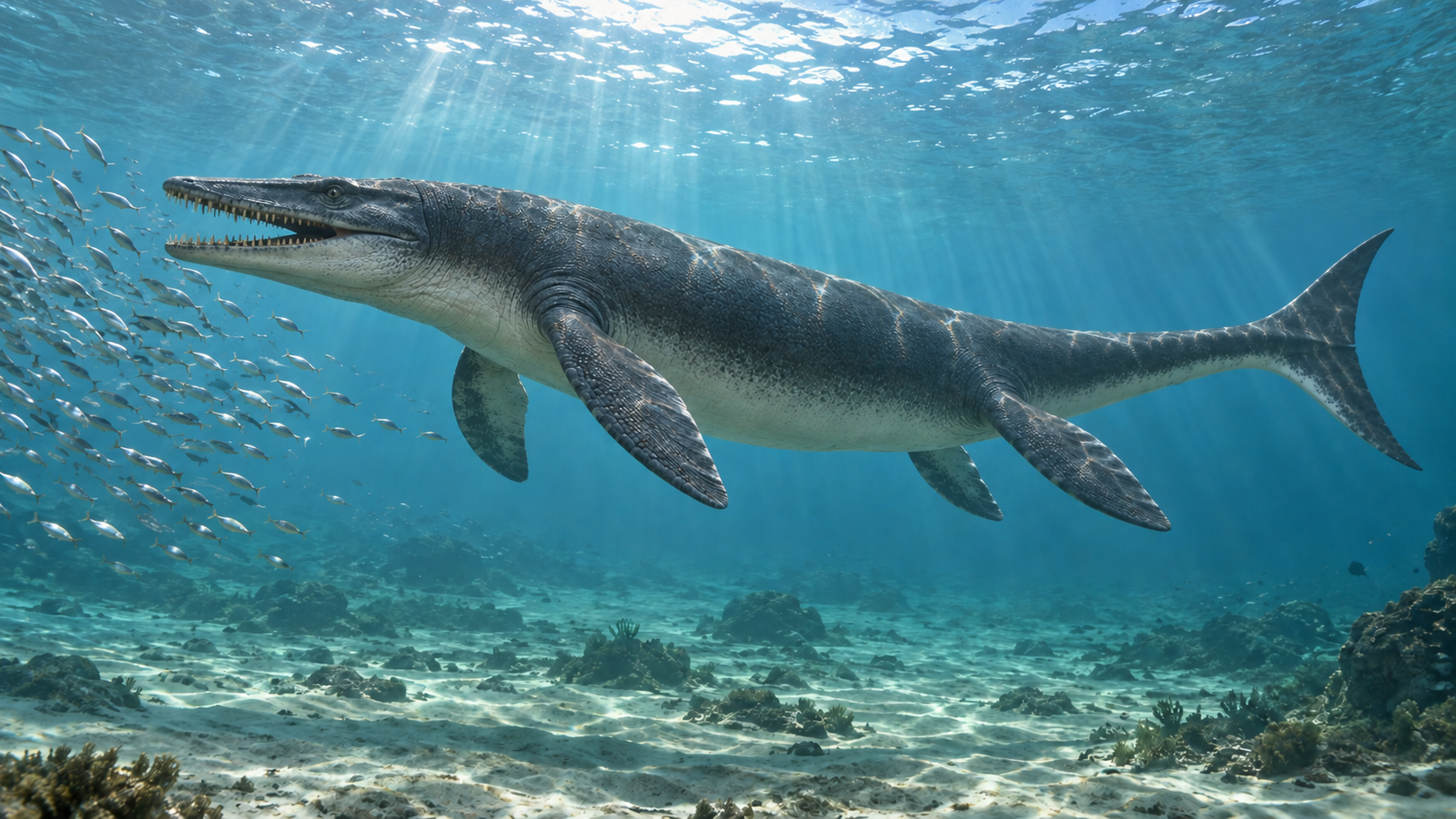
Artistic depiction of a mosasaur in the Late Cretaceous. A generic reconstruction, not the animal from Kaizuka.Sea Reptiles
Sea Reptiles · 1 min ago

New marine reptile? This skull bone matches no known mosasaur

A rock block from Japan sat in a museum for more than three decades — packed with mosasaur bones that nobody had recognised. Researchers found four overlooked bones inside it, including the first confirmed front upper-jaw bone from a mosasaur in Japan. A braincase bone bears a combination of features unlike any described mosasaur. It may represent a new species, but that has not been established.

CheckedSource: www.eurekalert.org
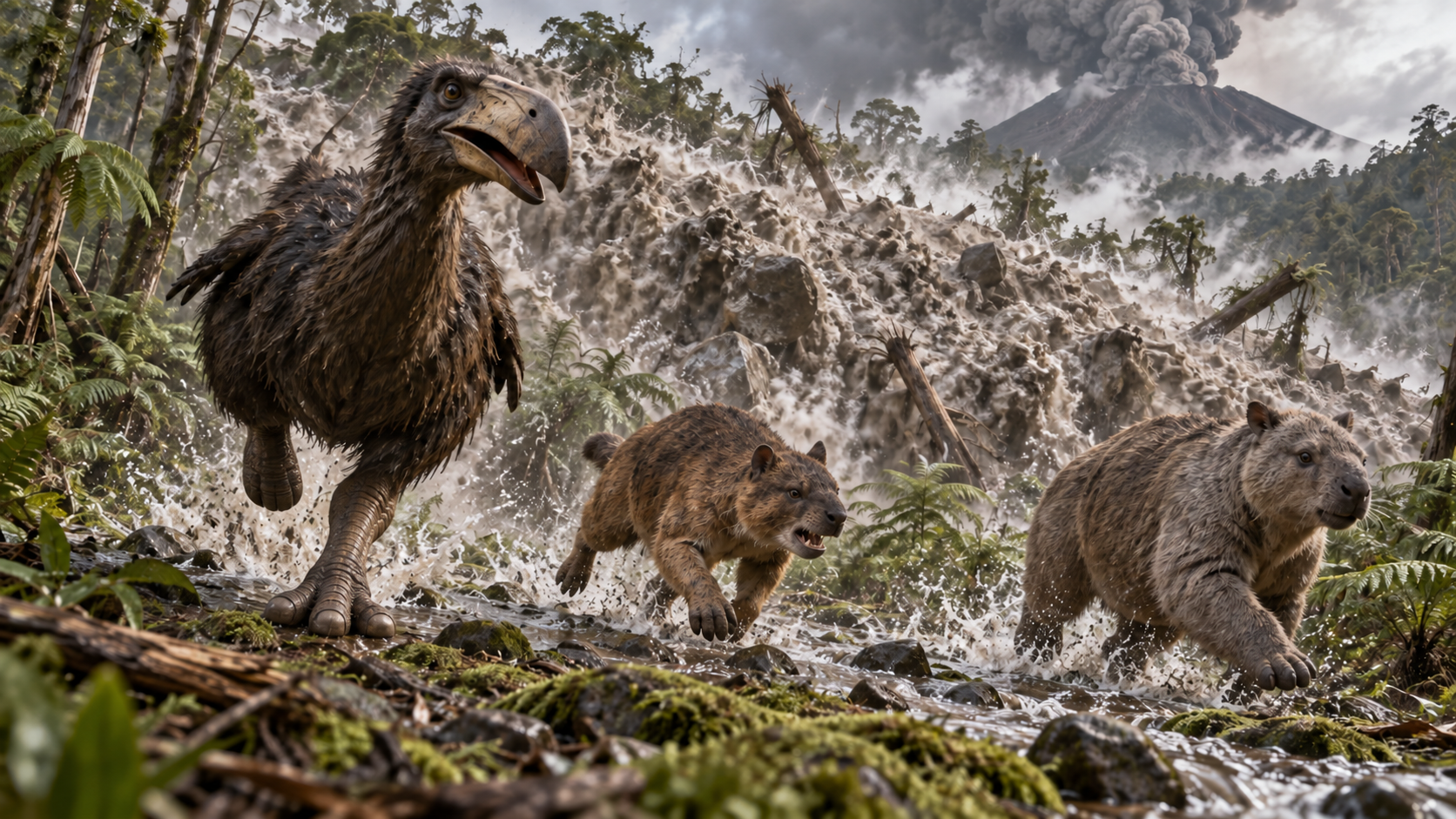
Artistic depiction: three extinct animals from Oligocene Australia – the thunder bird Barawertornis, the giant rat-kangaroo Ekaltadeta and the marsupial Ngapakaldia – flee a volcanic mudflow. Scene and animals are not from the study.Fossil Finds
Fossil Finds · 34 min ago

Wood in Volcanic Debris: This New Species Raises a Mystery!

Fossil wood from Queensland has a new name: *Scalarixylon lahar*. The species comes from Oligocene volcanic deposits near Maidenwell in the south-east of the Australian state. Its wood bears a pattern also seen in fossil protea-family wood from South America. The vegetation at the site grew under permanently moist conditions and was dominated by rainforest plants. One big question remains: which living genus does it belong to?

CheckedSource: DOI: 10.1071/sb26004
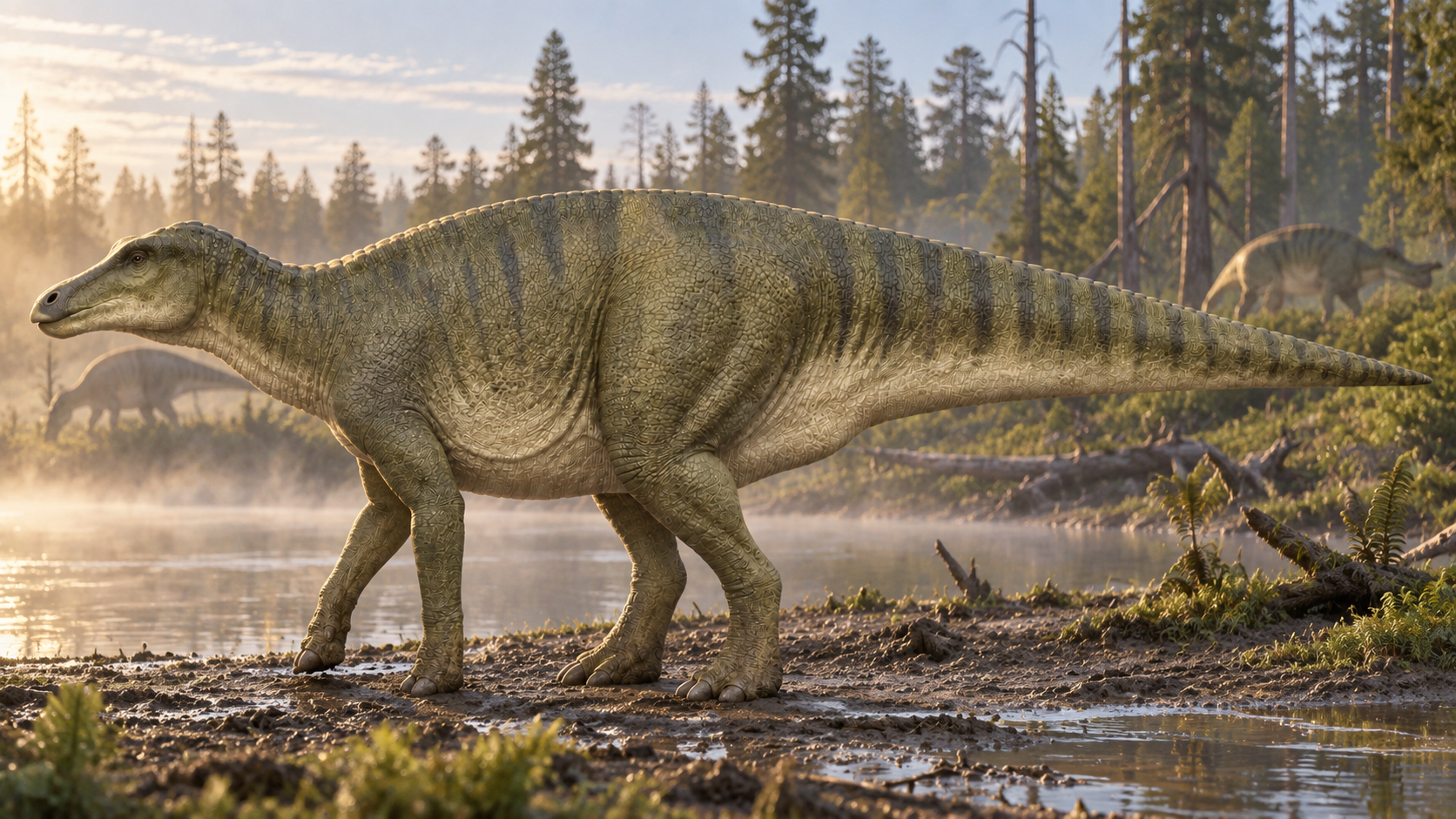
AI life reconstruction of Edmontosaurus annectens by a river in the Hell Creek Formation. Body plan after the Tiefenzeit master; colouration and pattern are speculative.Dinosaurs
Dinosaurs · 34 min ago

Impossible? This Dinosaur Bone Still Contains Original Protein

The sacrum of an *Edmontosaurus* still contains remnants of the animal’s own protein. More precisely: fragments of collagen, the structural protein that keeps bones strong and flexible. A team led by Lucien Tuinstra found three independent lines of evidence for it. The fossil comes from the Late Cretaceous of South Dakota — and is fuelling a dispute that has occupied researchers for decades.

CheckedSource: DOI: 10.1021/acs.analchem.4c03115

From our video archive

German audio

A fossil wasp with a gripping apparatus on its abdomen

A short about Sirenobethylus charybdis and its discovery in amber.

Watch the short on YouTube

German audio

Why did this dinosaur have hollow spines?

A short about Haolong dongi and its hollow skin spines.

Watch the short on YouTube
Newsletter

Deep time in your inbox

Selected discoveries, clearly explained, with sources to read further.

Read Field Notes · web editions & signup