66,000,000 years ago today · Cretaceous–Paleogene boundaryTuesday, 15 September 2026 · Strictly scientific. Always sourced.
Latest
New marine reptile? This skull bone matches no known mosasaurWood in Volcanic Debris: This New Species Raises a Mystery!Impossible? This Dinosaur Bone Still Contains Original ProteinFeeding traces on dinosaur bones: Who plundered the carcasses?Long-Necked Dinosaurs: After the Crash Came Another Boom!Feathers in dinosaur poop: This little lump packs a surprise!Medusaceratops: Pus in its bone – and it lived on!New marine reptile? This skull bone matches no known mosasaurWood in Volcanic Debris: This New Species Raises a Mystery!Impossible? This Dinosaur Bone Still Contains Original ProteinFeeding traces on dinosaur bones: Who plundered the carcasses?Long-Necked Dinosaurs: After the Crash Came Another Boom!Feathers in dinosaur poop: This little lump packs a surprise!Medusaceratops: Pus in its bone – and it lived on!
Newsroom · Sea Reptiles

New marine reptile? This skull bone matches no known mosasaur

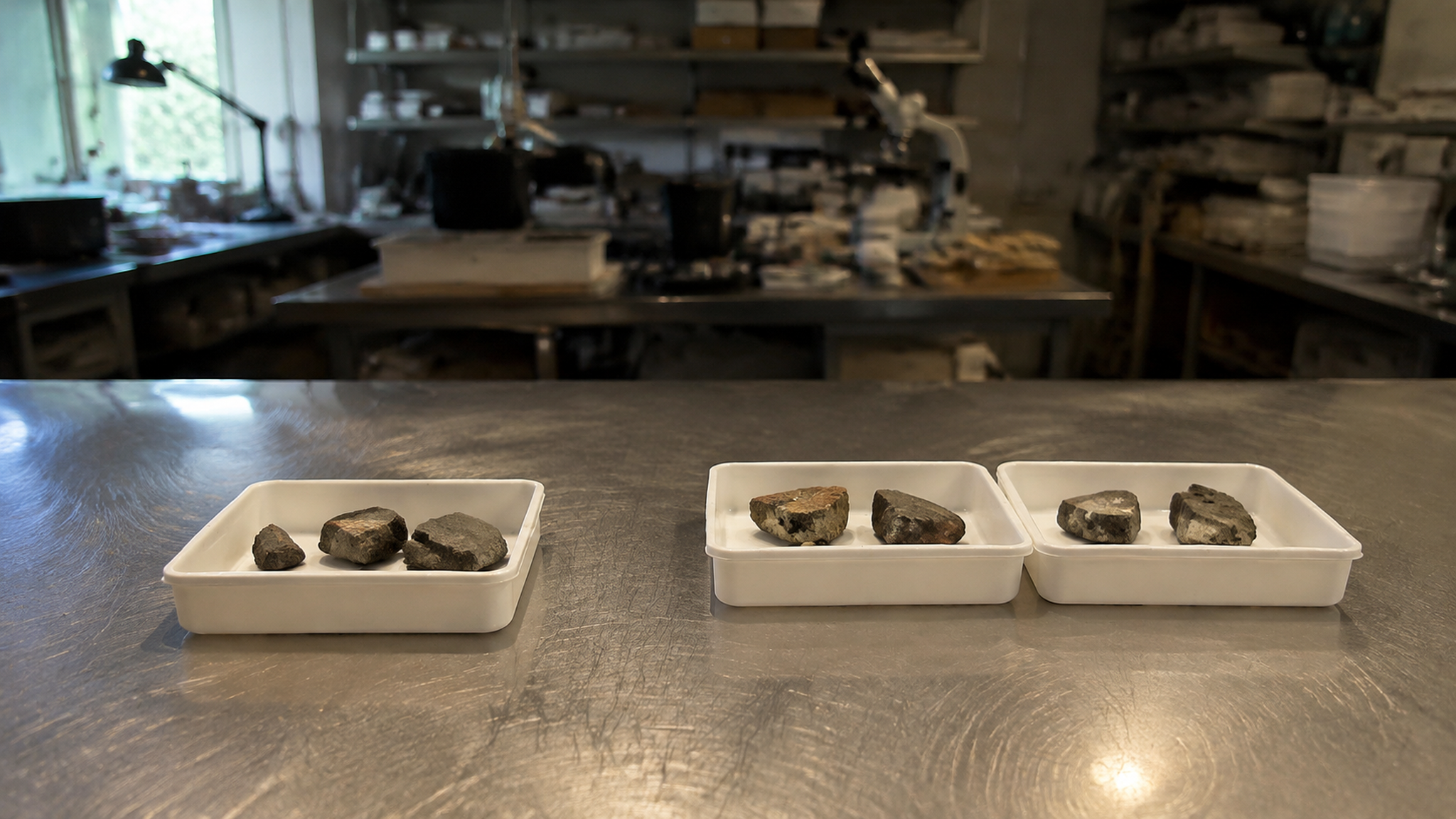
A rock block from Japan sat in a museum for more than three decades — packed with mosasaur bones that nobody had recognised. Researchers found four overlooked bones inside it, including the first confirmed front upper-jaw bone from a mosasaur in Japan. A braincase bone bears a combination of features unlike any described mosasaur. It may represent a new species, but that has not been established.

Source-checkedSource: www.eurekalert.org
Top story

Latest short on YouTube

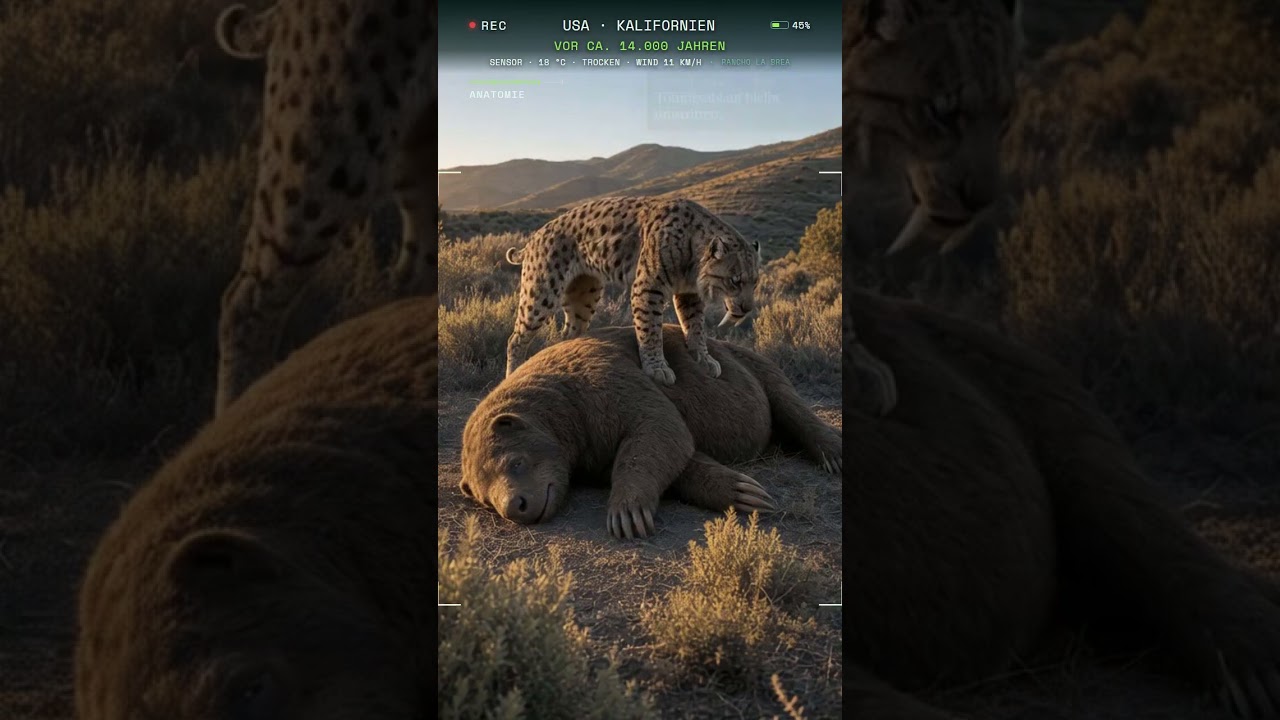
Smilodon: huge jaws, but a weaker bite

The short explores three questions about Smilodon: its forelimbs, jaws and tooth wear.

1:48 minGerman audio

Watch, then read further: this page brings together the short’s sources and current articles from the newsroom.

Video preview: Smilodon: huge jaws, but a weaker bite
Watch directly on YouTube
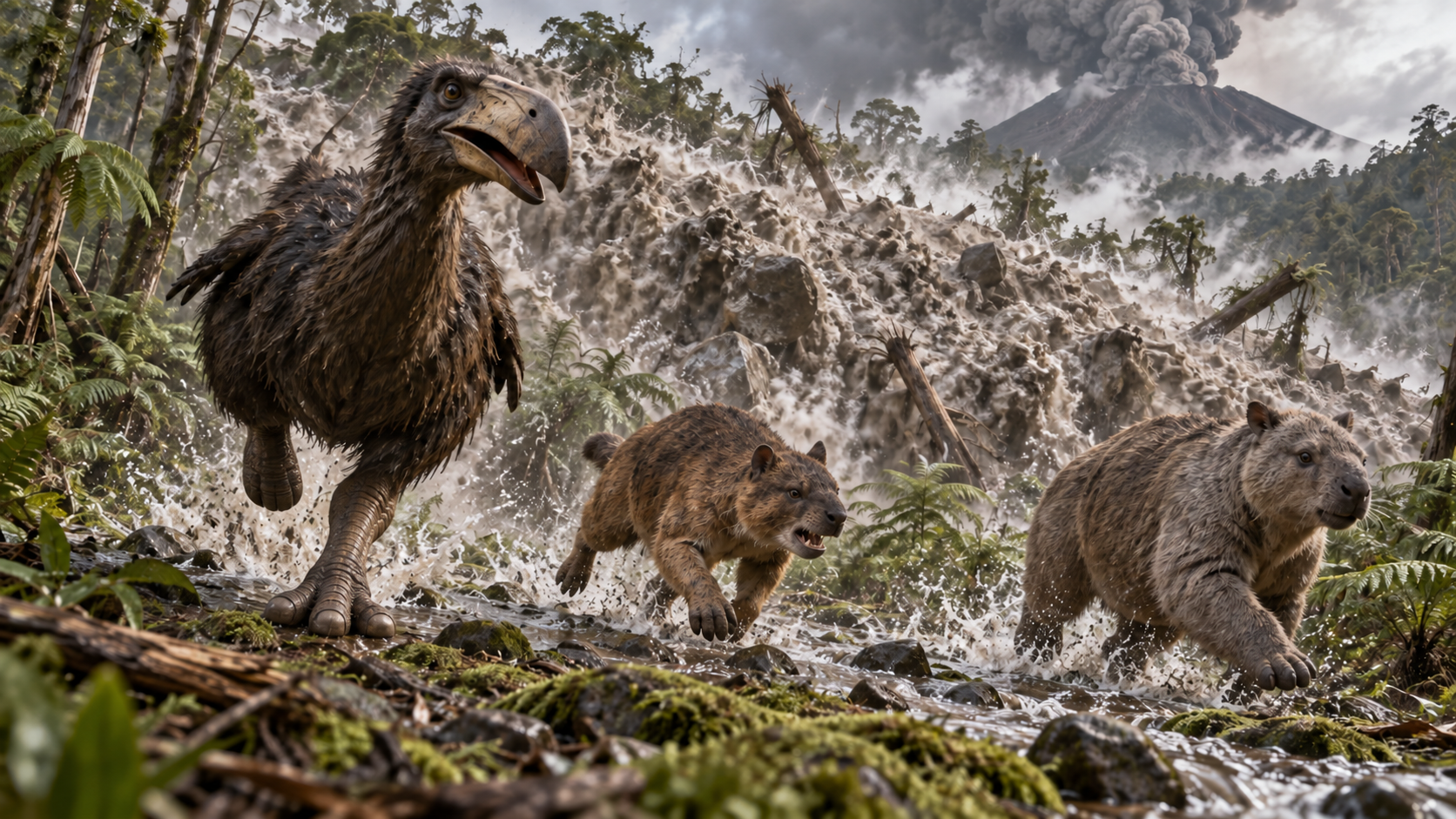
Artistic depiction: three extinct animals from Oligocene Australia – the thunder bird Barawertornis, the giant rat-kangaroo Ekaltadeta and the marsupial Ngapakaldia – flee a volcanic mudflow. Scene and animals are not from the study.
Top story
Fossil Finds

Wood in Volcanic Debris: This New Species Raises a Mystery!

Fossil wood from Queensland has a new name: *Scalarixylon lahar*. The species comes from Oligocene volcanic deposits near Maidenwell in the south-east of the Australian state. Its wood bears a pattern also seen in fossil protea-family wood from South America. The vegetation at the site grew under permanently moist conditions and was dominated by rainforest plants. One big question remains: which living genus does it belong to?
Source-checkedyesterdaySource: DOI: 10.1071/sb26004

Latest

This week
Newsletter

Deep time in your inbox

Selected discoveries, clearly explained, with sources to read further.

Read Field Notes · web editions & signup

Dinosaurs

Layer 01 · Mesozoic
All finds
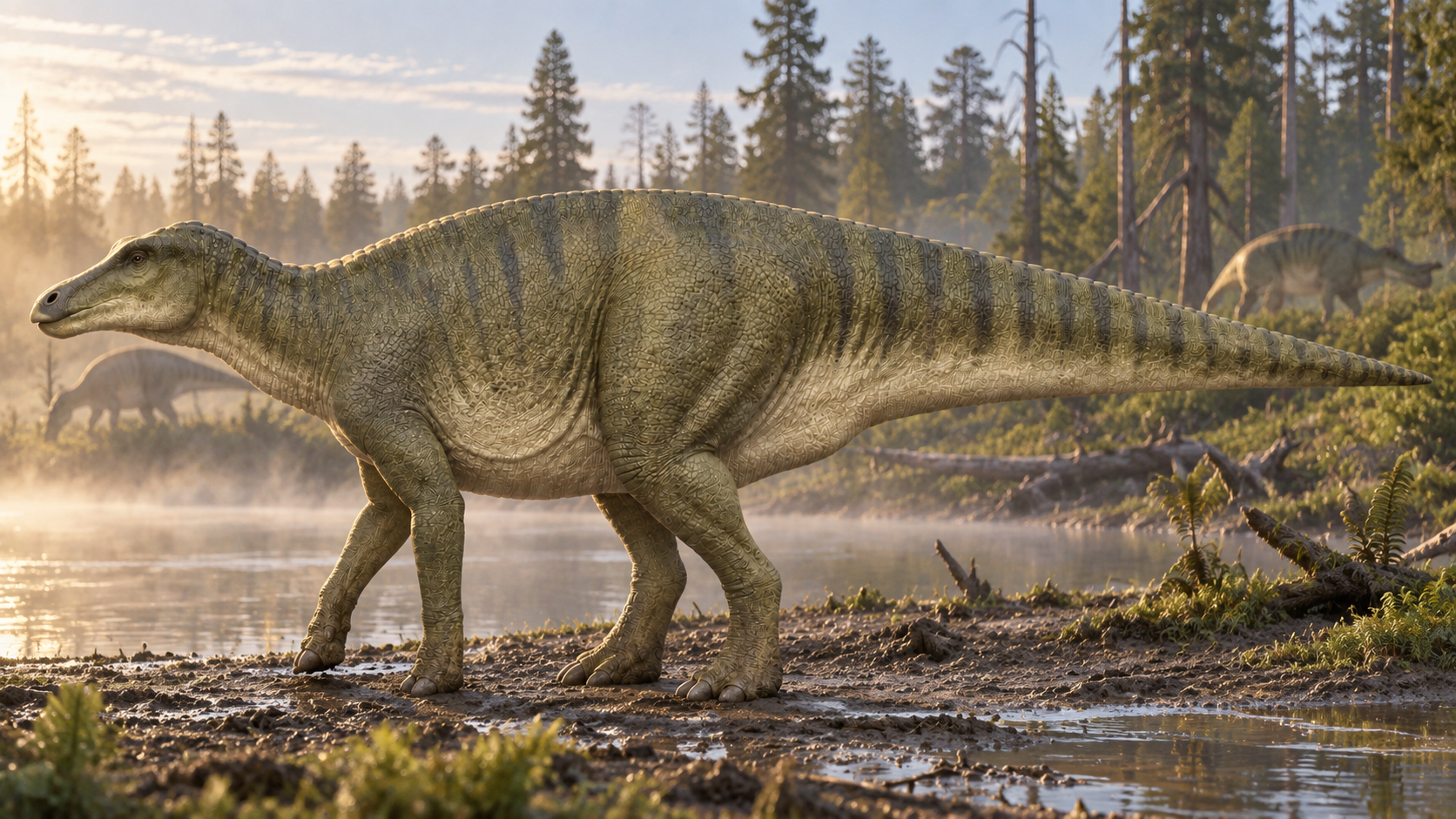
AI life reconstruction of Edmontosaurus annectens by a river in the Hell Creek Formation. Body plan after the Tiefenzeit master; colouration and pattern are speculative.Dinosaurs
Dinosaurs

Impossible? This Dinosaur Bone Still Contains Original Protein

The sacrum of an *Edmontosaurus* still contains remnants of the animal’s own protein. More precisely: fragments of collagen, the structural protein that keeps bones strong and flexible. A team led by Lucien Tuinstra found three independent lines of evidence for it. The fossil comes from the Late Cretaceous of South Dakota — and is fuelling a dispute that has occupied researchers for decades.

CheckedyesterdaySource: DOI: 10.1021/acs.analchem.4c03115
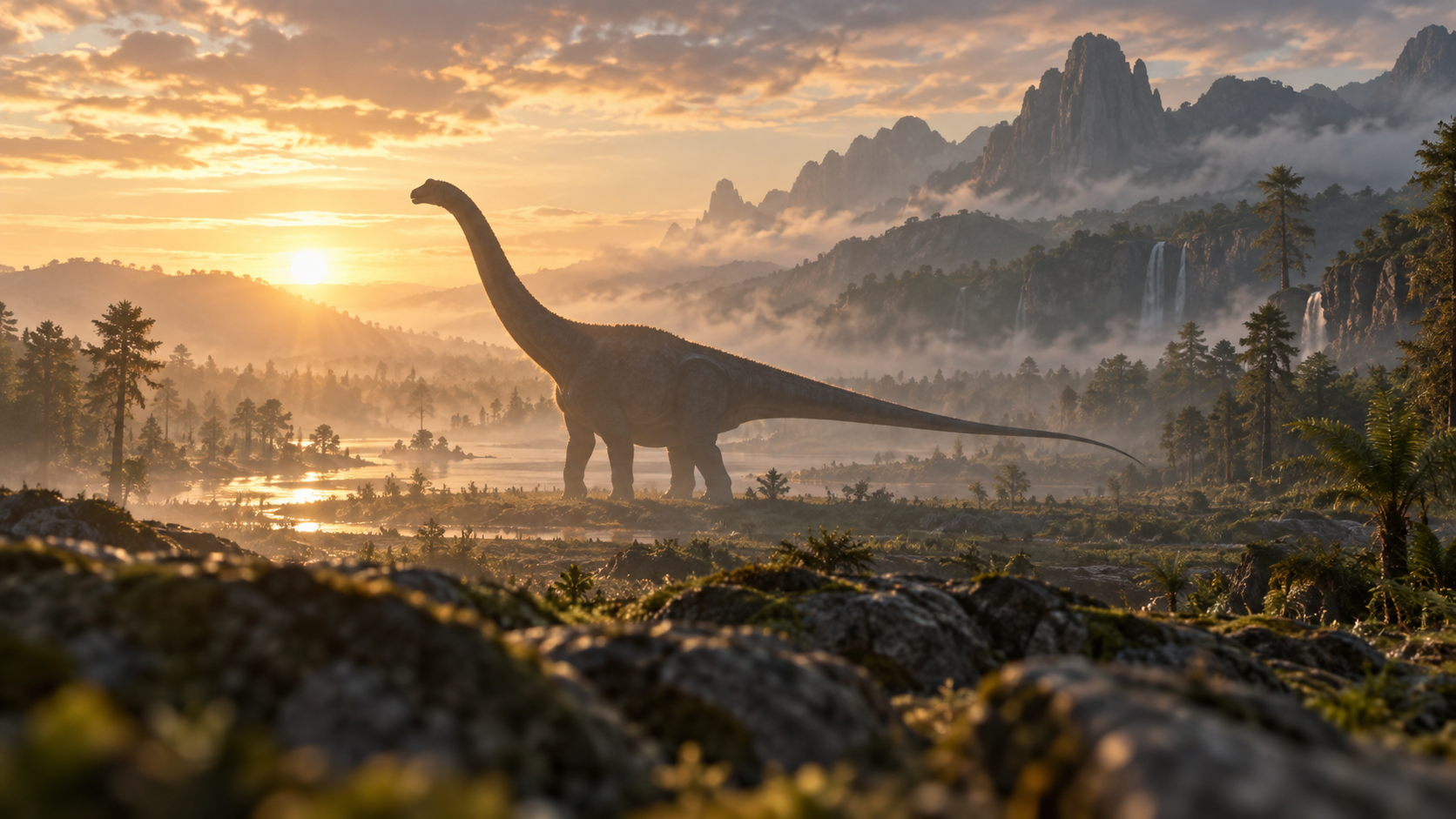
Original symbolic illustration of a long-necked dinosaur; not a particular species or newly discovered individual.Dinosaurs
Dinosaurs

Long-Necked Dinosaurs: After the Crash Came Another Boom!

First their diversity plunged. Then it climbed again. Long-necked dinosaurs from the group Diplodocoidea tell a striking story across the Jurassic–Cretaceous transition. A new study places their later diversity peak in the Aptian of the Early Cretaceous. In sampling-adjusted estimates, it even exceeds the highest Late Jurassic values. But different long-necked dinosaurs are behind this second boom.

Checked3 days agoSource: DOI: 10.3897/fr.29.189225
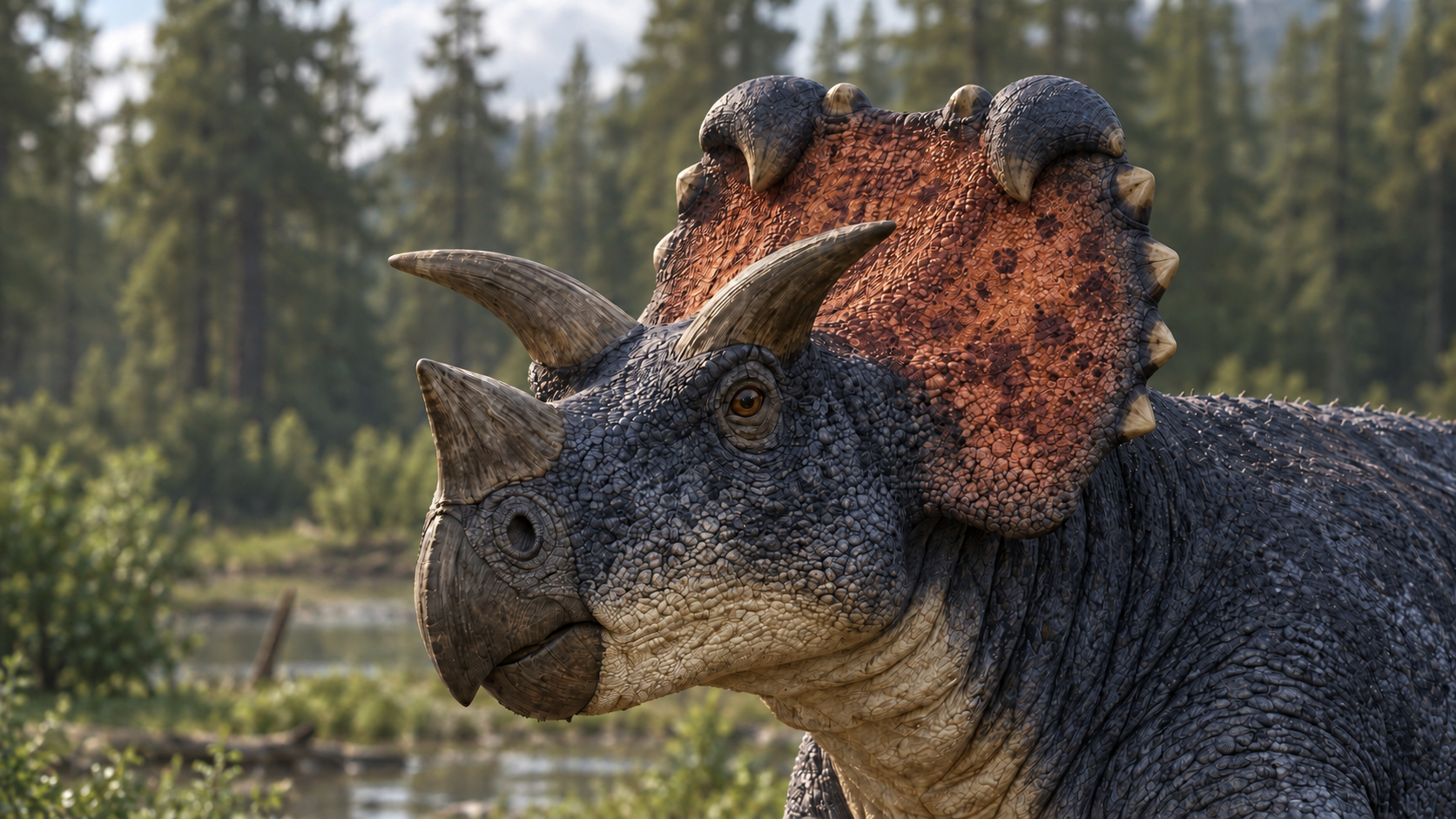
Medusaceratops lokii with corrected frill hooks. Copper red, indigo and ivory are a speculative colour design, not fossil-proven colours. AI life reconstruction; not the injured individual.Dinosaurs
Dinosaurs

Medusaceratops: Pus in its bone – and it lived on!

Medusaceratops had pus draining from a bone in its tail. An injury had badly damaged the horned dinosaur, and infection ate into the vertebra. Yet its body kept responding, building a massive sheath of new bone. The Montana fossil shows that the dinosaur lived for a long time after the injury. The evidence is strikingly clear.

Checked4 days agoSource: A case of an expansile lesion in a caudal vertebra of Medusaceratops lokii
Fossil bones and bird-like footprints of Cretaceous birds from Late Cretaceous MexicoDinosaurs
Dinosaurs

Cretaceous Birds in Mexico: Why Tracks Are Not Species

Bones and bird-like tracks document a recurring presence in Late Cretaceous Mexico, but footprints alone cannot securely identify biological species.

Checked4 Sept 2026Source: Review of Cretaceous Avian Dinosaurs from Mexico: Current Knowledge and Future Perspectives

Sea Reptiles

Layer 02 · Tethys Ocean
All finds
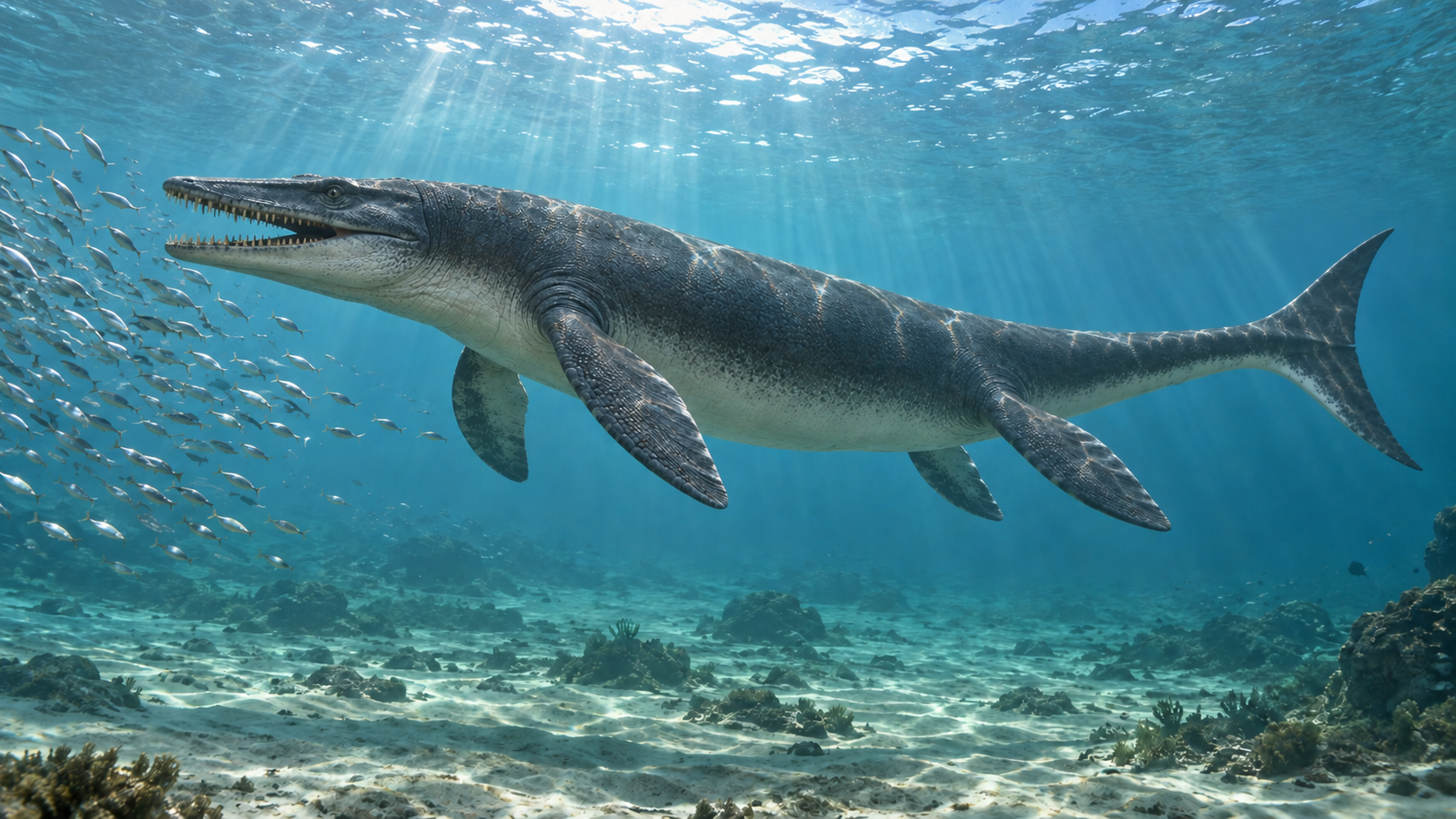
Artistic depiction of a mosasaur in the Late Cretaceous. A generic reconstruction, not the animal from Kaizuka.Sea Reptiles
Sea Reptiles

New marine reptile? This skull bone matches no known mosasaur

A rock block from Japan sat in a museum for more than three decades — packed with mosasaur bones that nobody had recognised. Researchers found four overlooked bones inside it, including the first confirmed front upper-jaw bone from a mosasaur in Japan. A braincase bone bears a combination of features unlike any described mosasaur. It may represent a new species, but that has not been established.

CheckedyesterdaySource: www.eurekalert.org

Evolution

Layer 03 · Deep ancestry
All finds
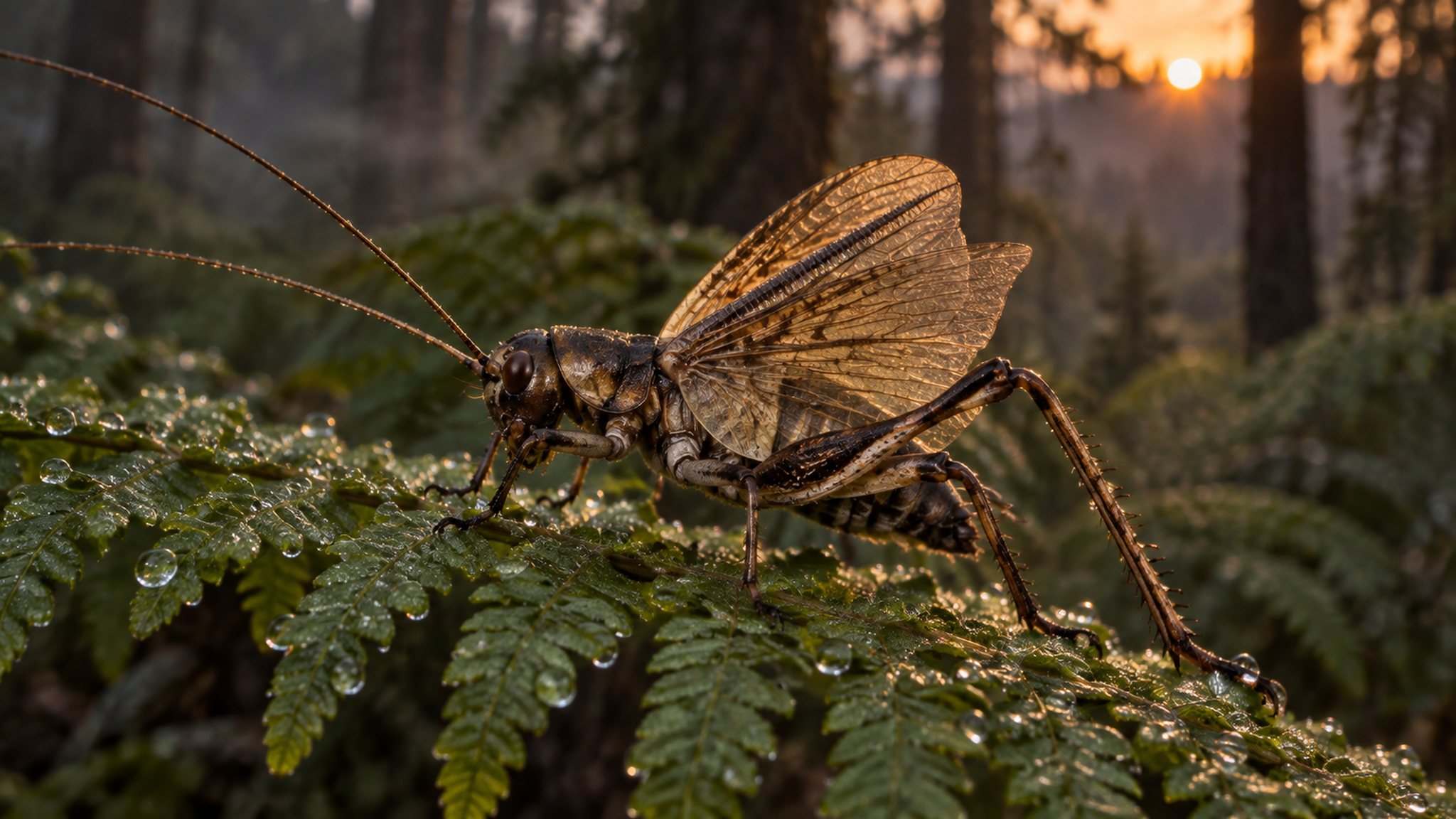
Photorealistic reconstruction of a Middle Jurassic long-horned orthopteran with raised forewings in forest undergrowth (illustration)Evolution
Evolution

Jurassic Ultrasound: This Singer Beat the Bats

Ultrasound in the Jurassic, long before bats: an insect was already calling above 20 kilohertz. Researchers have reconstructed its call from fossils, uncovering a striking clue to the dangers of ancient insect song. A singer reaches unwanted listeners too: predators searching for prey. At the centre of the discovery are 20 fossils from China and one unusually high-pitched voice.

Checked4 days agoSource: Reconstruction of an extinct soundscape reveals ultrasonic communication in the Jurassic

Fossil Finds

Layer 04 · Worldwide
All finds
Artistic depiction: three extinct animals from Oligocene Australia – the thunder bird Barawertornis, the giant rat-kangaroo Ekaltadeta and the marsupial Ngapakaldia – flee a volcanic mudflow. Scene and animals are not from the study.Fossil Finds
Fossil Finds

Wood in Volcanic Debris: This New Species Raises a Mystery!

Fossil wood from Queensland has a new name: *Scalarixylon lahar*. The species comes from Oligocene volcanic deposits near Maidenwell in the south-east of the Australian state. Its wood bears a pattern also seen in fossil protea-family wood from South America. The vegetation at the site grew under permanently moist conditions and was dominated by rainforest plants. One big question remains: which living genus does it belong to?
CheckedyesterdaySource: DOI: 10.1071/sb26004
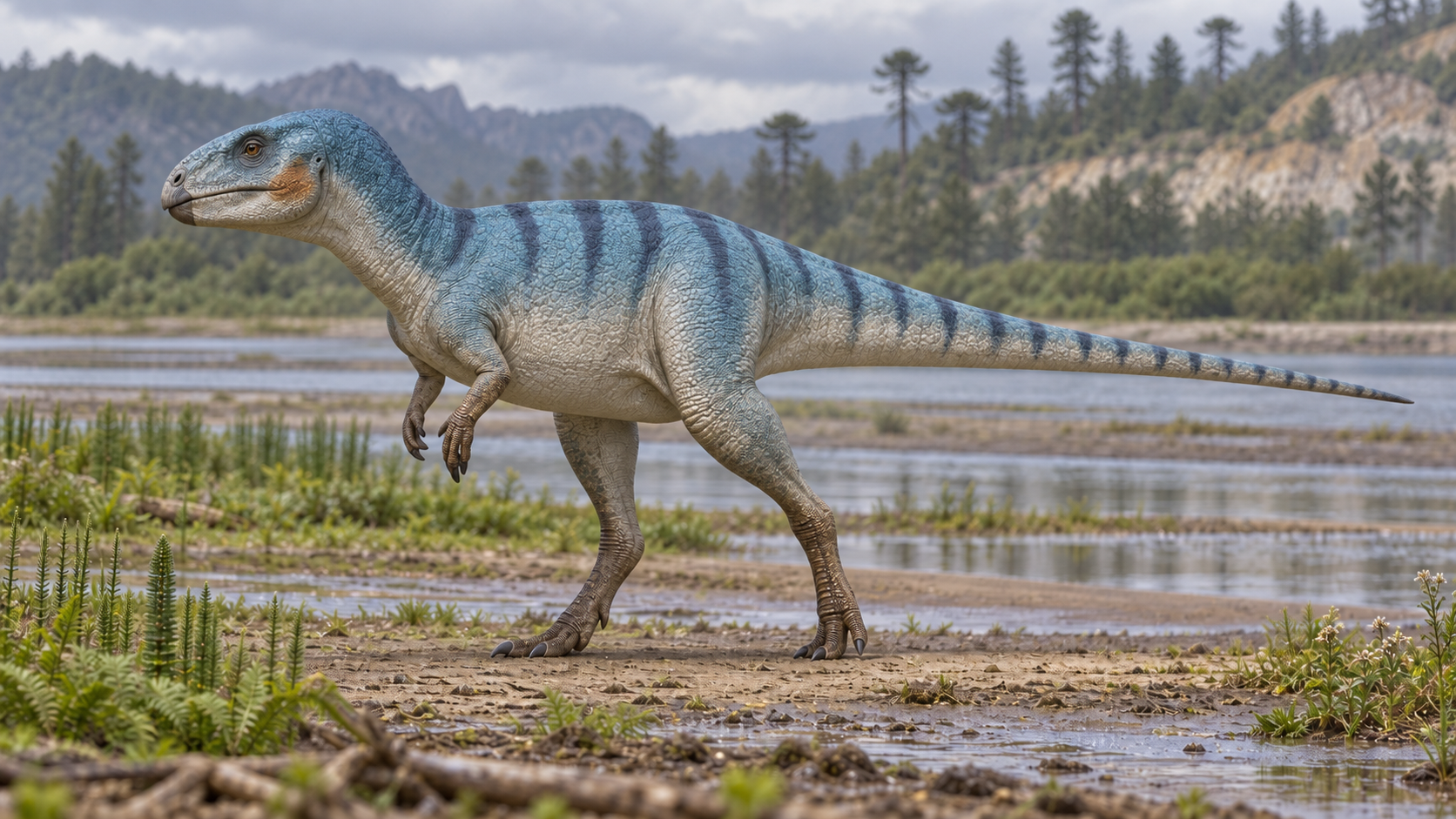
AI life reconstruction of an indeterminate rhabdodontid from Haţeg. Body plan based on Zalmoxes robustus for comparison; colouration and pattern are speculative.Fossil Finds
Fossil Finds

Feeding traces on dinosaur bones: Who plundered the carcasses?

A tunnel pierces the shell of a Cretaceous turtle. Nearby, feeding traces on dinosaur bones point to three suspects: probably termites, hide beetles and multituberculates, an extinct group of mammals. Six forms of pits, tunnels and grooves turn the bones from Romania’s Haţeg Basin into a case file on what happened after death.

Checked2 days agoSource: DOI: 10.3897/fr.29.189421
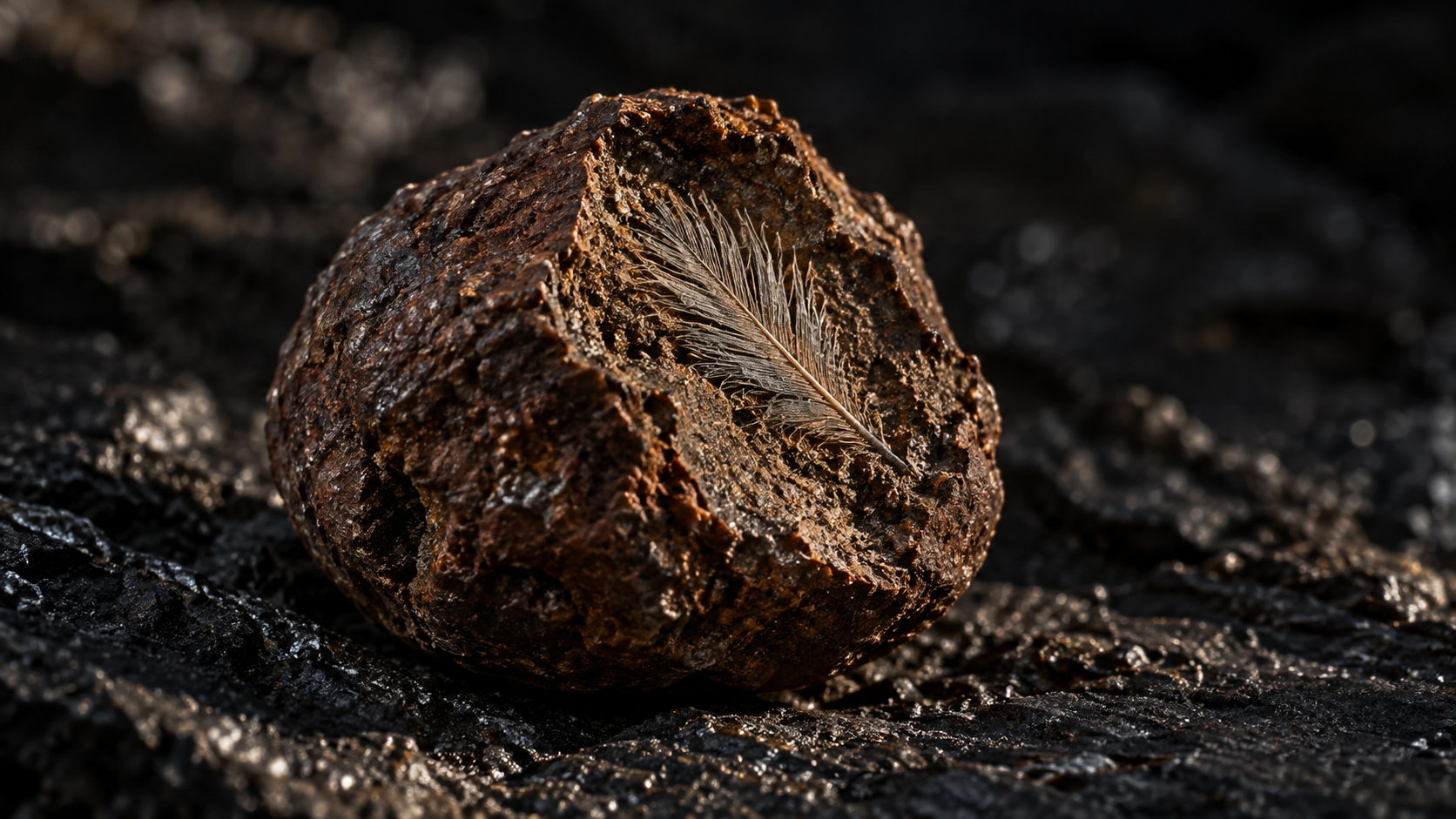
Original illustration of a coprolite with an exposed feather; not a depiction of the actual fossil.Fossil Finds
Fossil Finds

Feathers in dinosaur poop: This little lump packs a surprise!

Feathers in dinosaur poop have put researchers on an unexpected trail: an unassuming lump from Montana preserves bird remains from around 66 million years ago. A tiny feather sits on the surface, with more feathers, scales and bones hidden inside. The find records a meal – and could help explain why some bird groups survived the mass extinction while others vanished.

Checked3 days agoSource: DOI: 10.1016/j.cub.2026.08.054
Fossil teeth of the three known Rudiomys species from the late OligoceneFossil Finds
Fossil Finds

Two New Rudiomys Species from Montana

Fossils from Montana and new material from Oregon expand a little-known late Oligocene rodent genus and support a cautious interpretation of habitat specialisation.

Checked4 Sept 2026Source: New material and two new species of the poorly known rodent Rudiomys (Aplodontiidae: Meniscomyinae) from the late Oligocene John Day Formation of Oregon and the Renova Formation of Montana
Tiefenzeit on YouTube

Never miss a discovery – subscribe to Tiefenzeit.

Selected finds become cinematic expeditions. The channel expands the strongest stories from the magazine.

Subscribe to Tiefenzeit on YouTube
Source-checked·Tiefenzeit editorial deskDOI sources·Original studies linkedReconstructions·Labelled as illustrationsImage credits·Source and rights per image

Who runs Tiefenzeit and how we work