Dinosaurs
Mesozoic
19 articles · Page 1 / 2 · All sections in the archive
 Dinosaurs
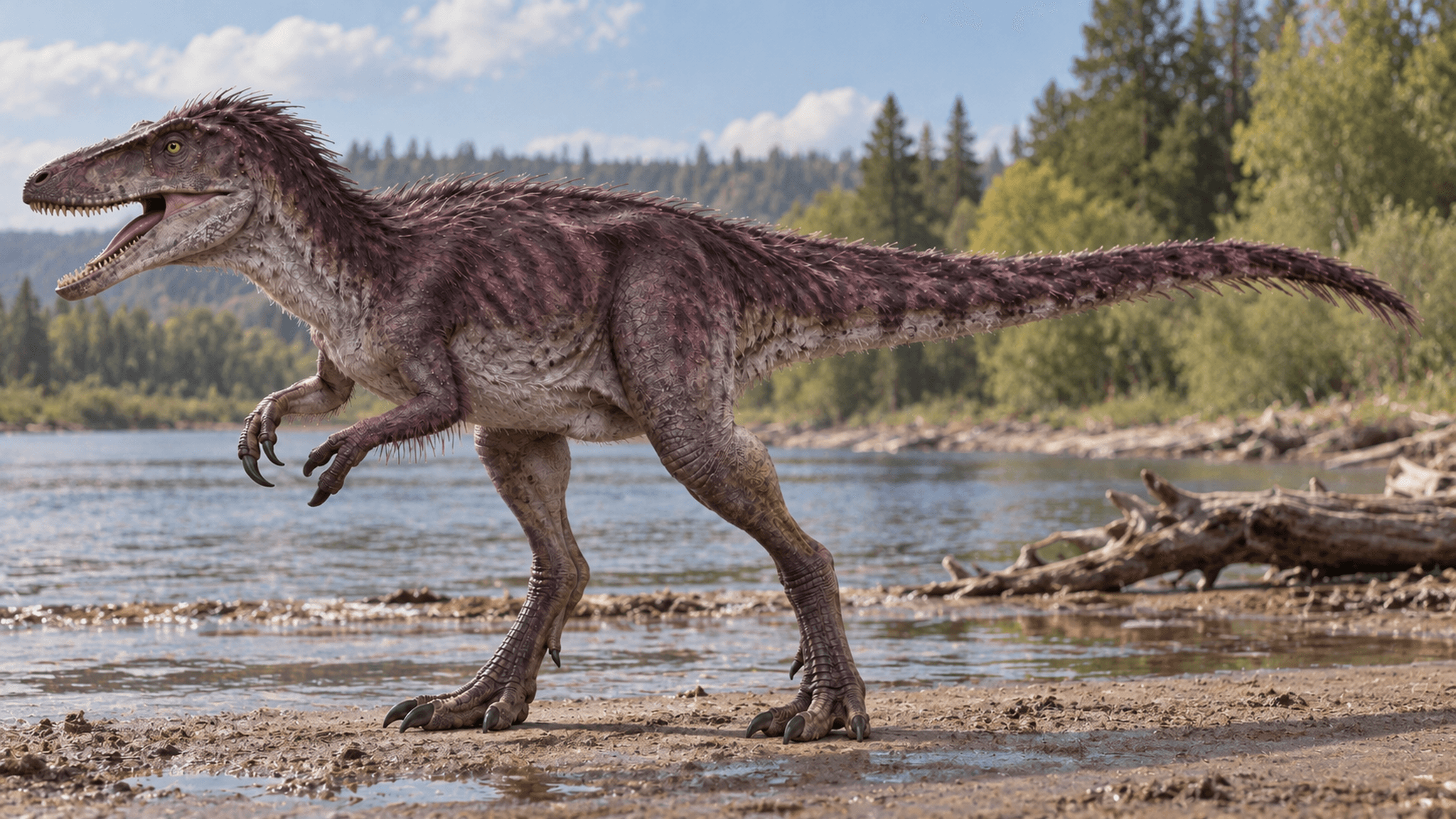
 · 16 Oct 2026New York – On 27 October, Sotheby’s will auction a roughly 67-million-year-old predatory dinosaur skeleton from Montana, with an estimate of six to nine million US dollars! In 2023, “Jodi” was still considered a juvenile of the most famous predator of all. Now it is called Nanotyrannus: a separate, smaller predator from the same period. However, the evidence behind the new name comes from other skeletons, not Jodi.
 Dinosaurs
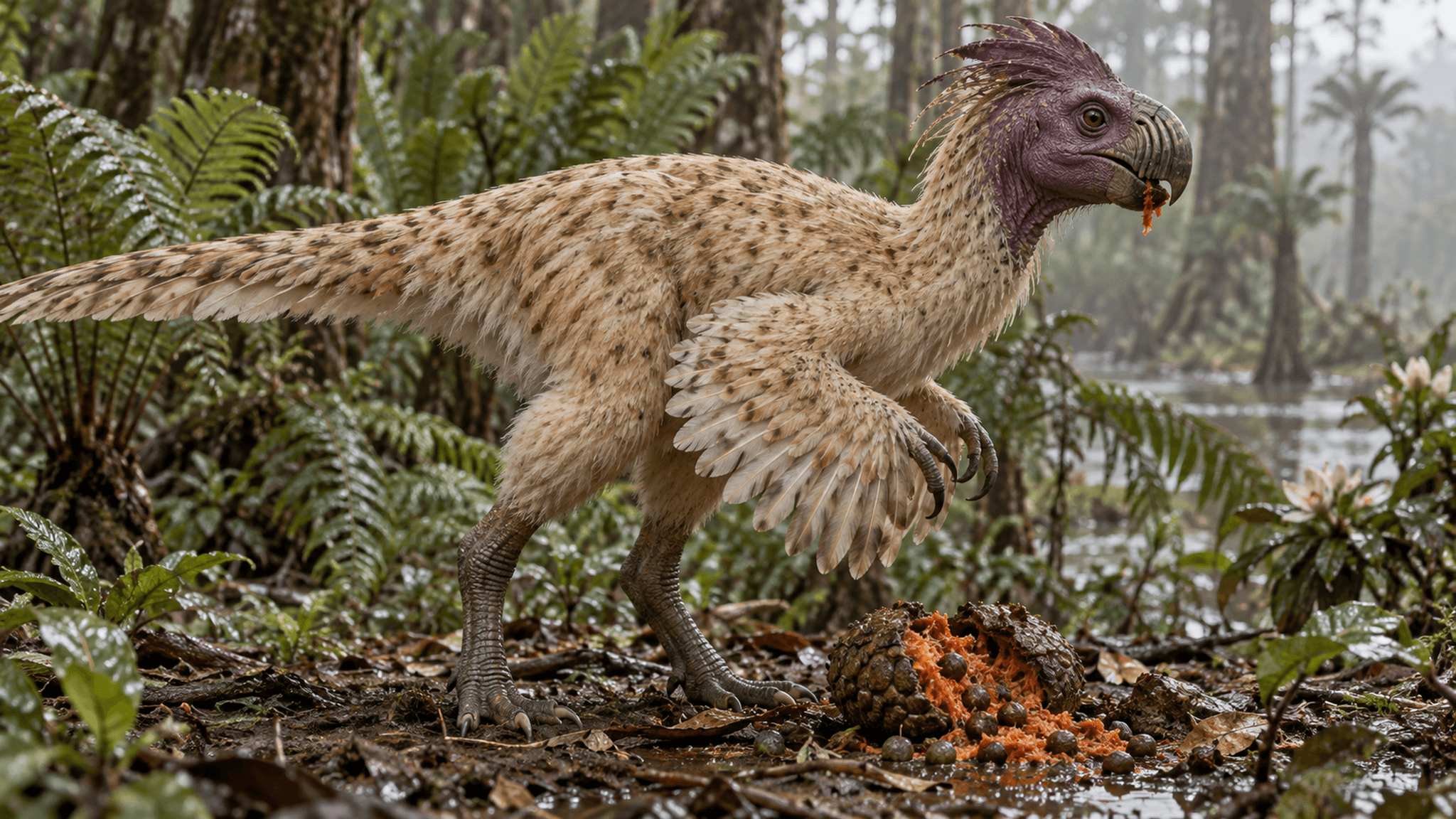
 · 12 Oct 2026Researchers have discovered a small dinosaur in North America that chewed like a parrot! *Infernogallus jamesi* slid its lower jaw backwards and forwards, crushing soft food between ridged chewing surfaces — probably juicy fruit above all. A fruit-eating dinosaur: until now, there had been no direct evidence of one.
 Dinosaurs
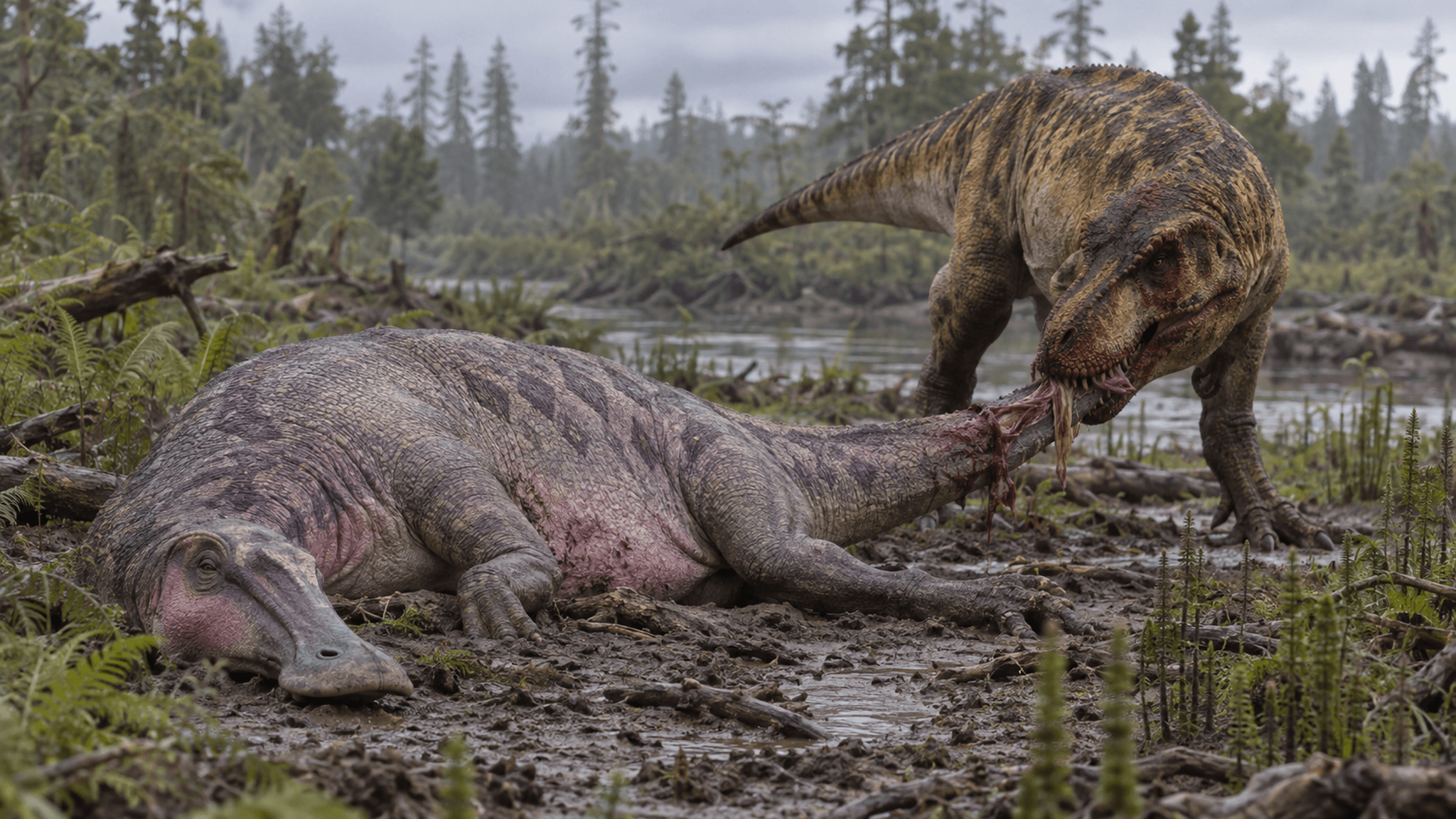
 · 12 Oct 2026A predator tugs at a carcass and tears flesh from the tail. Its teeth scrape diagonally across the vertebrae. Researchers in Canada have systematically analysed just such suspected tyrannosaur bite marks. The result: 84.7 per cent of the bitten duck-billed dinosaur vertebrae from Dinosaur Provincial Park in Alberta come from the tail. The scratches follow the flesh.
 Dinosaurs
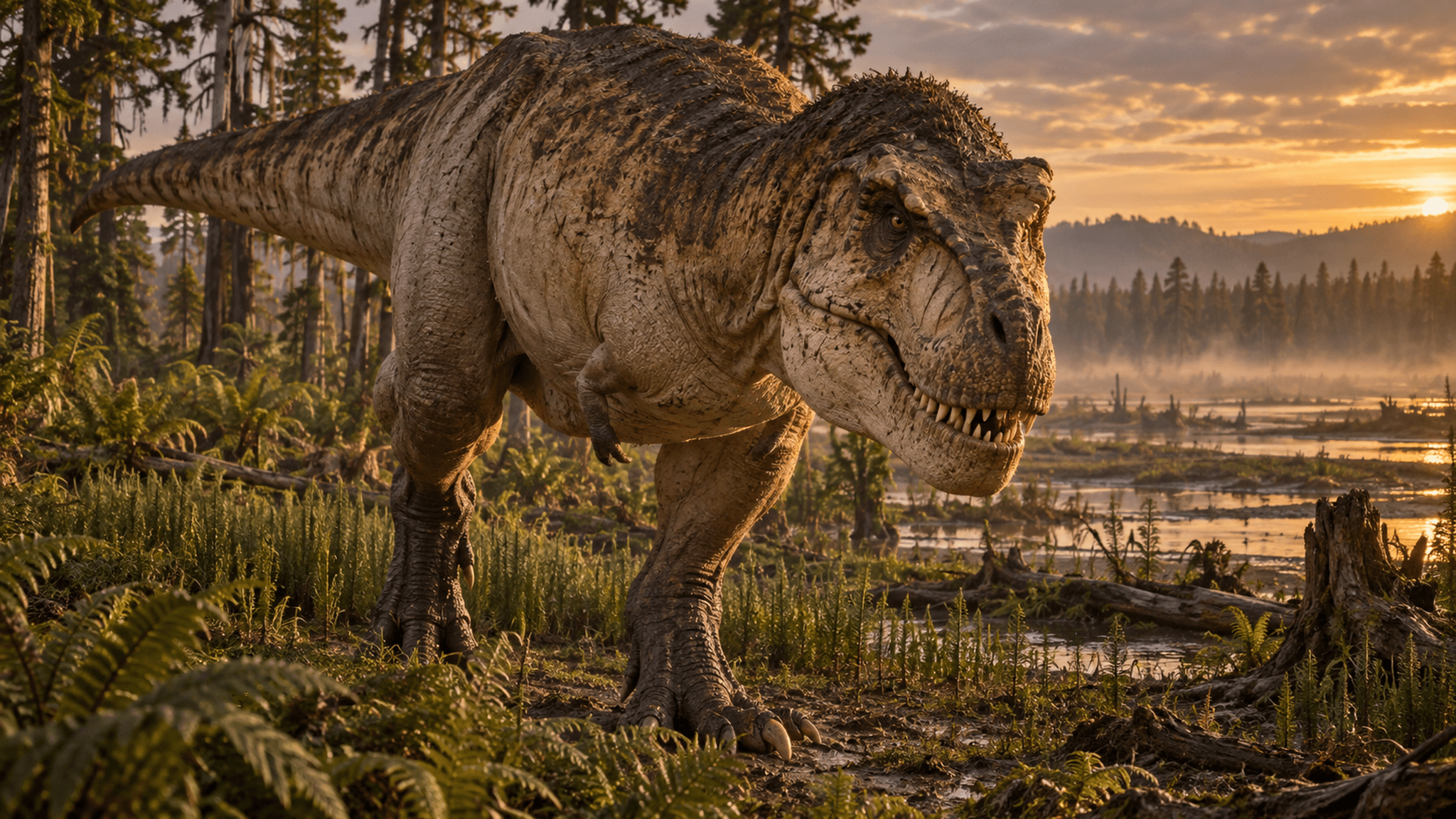
 · 9 Oct 2026A *Tyrannosaurus rex*, one of the largest predatory dinosaurs ever, seizes a large prey animal, holds it fast and bites through flesh and bone. That is the picture revealed by 3D models used by researchers in Spain to compare its skull with the heads of two other giant predators. The tyrannosaur’s shorter head is the more robust one, and its thick teeth were probably built for tremendous bite force.
 Dinosaurs
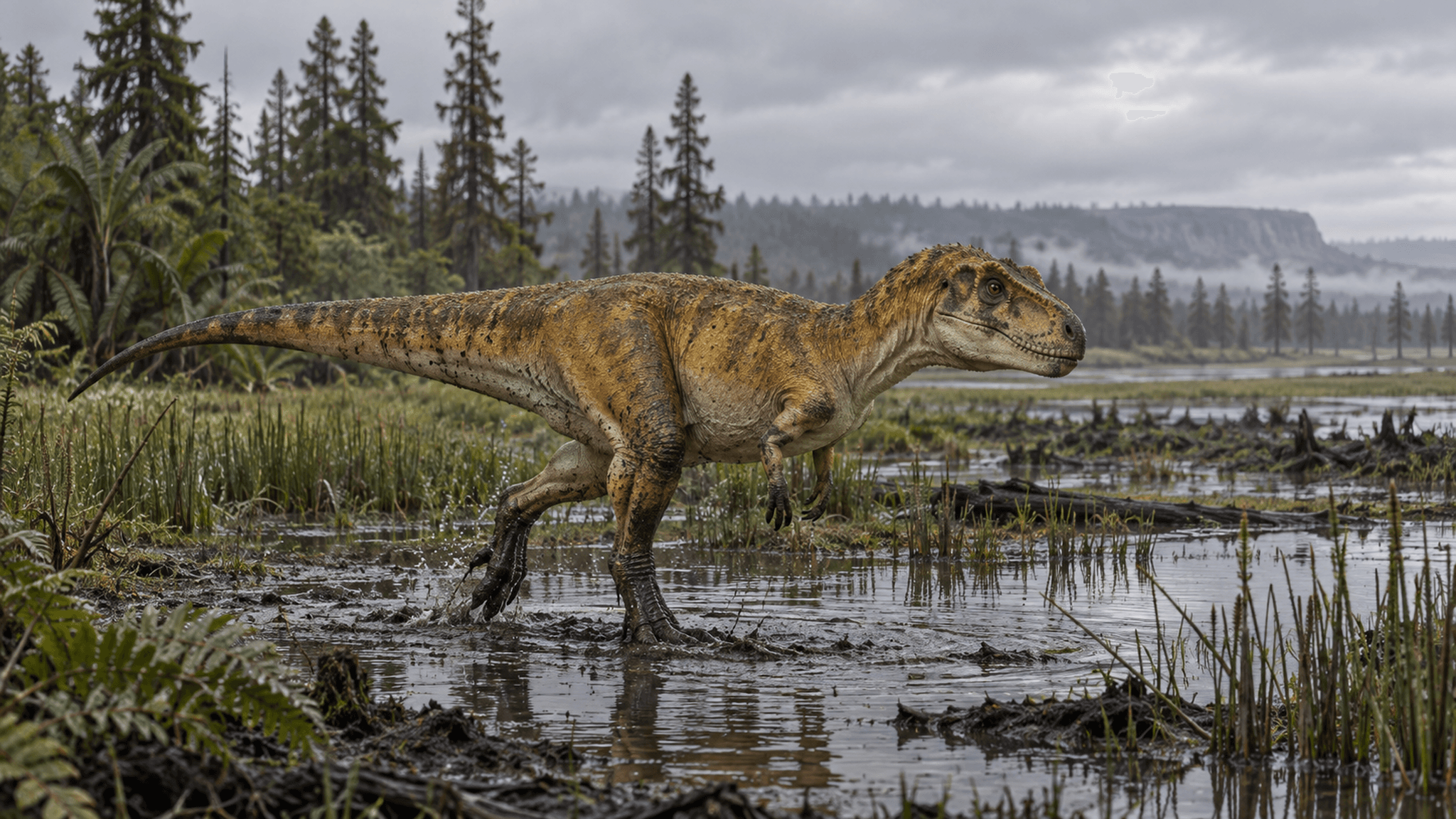
 · 8 Oct 2026Fine scratches left by another animal's teeth run across the jaw of a young Albertosaurus, a more slender relative of *Tyrannosaurus rex*, found in the Red Deer River valley in Alberta, Canada. Two groups of unhealed bite marks best match small predatory dinosaurs and provide the first documented evidence that such hunters fed on a tyrannosaur.
 Dinosaurs
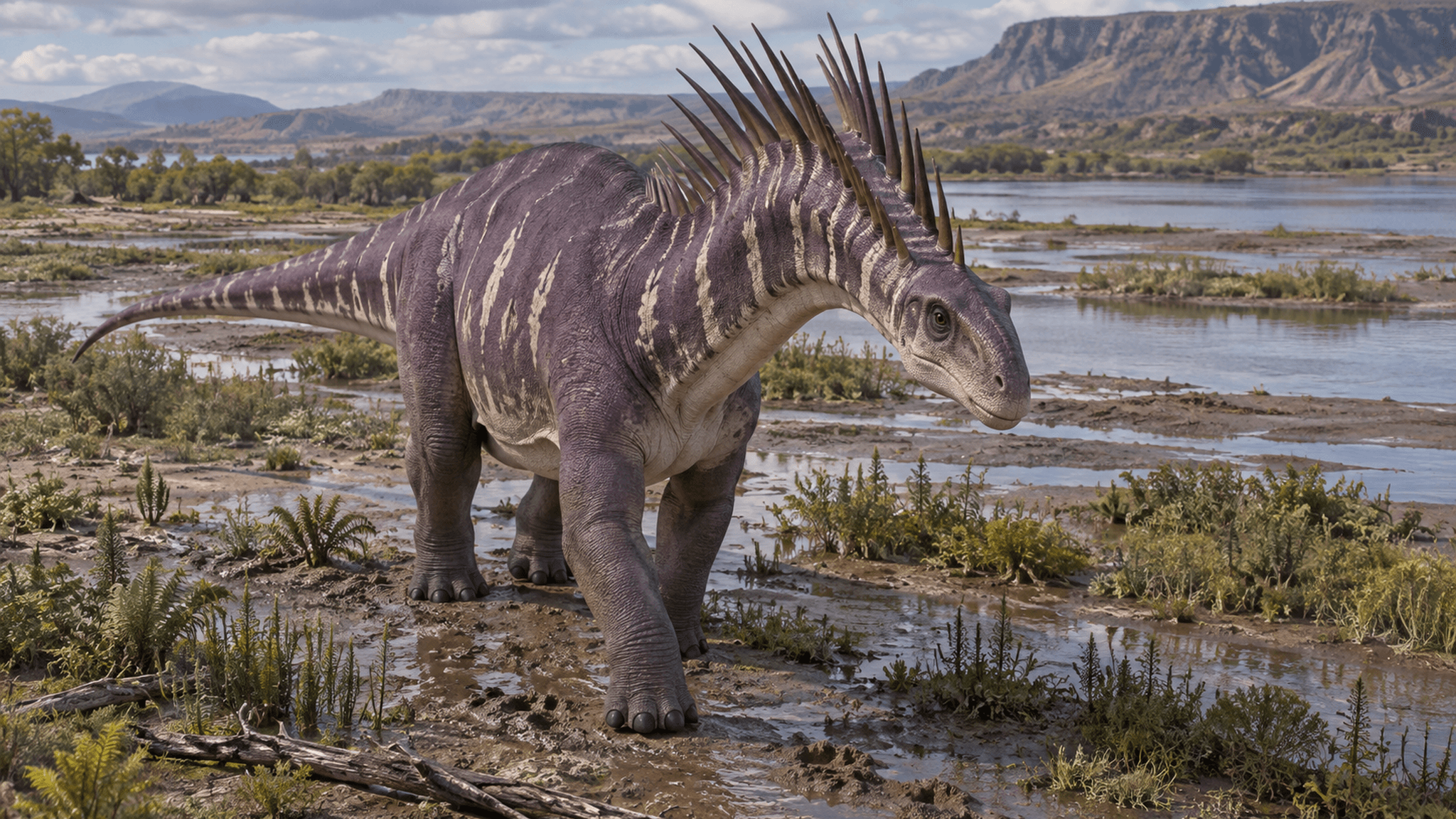
 · 7 Oct 2026A long-necked giant plants its hind leg, and its weight of many tonnes bears down on a single thigh bone. Researchers have now put such bones through a virtual press. In wide-legged sauropods, the long-necked dinosaurs of prehistory, stress in the model usually rose less sharply than in narrow-legged relatives such as *Diplodocus*. They found no universal recipe for gigantism.
 Dinosaurs
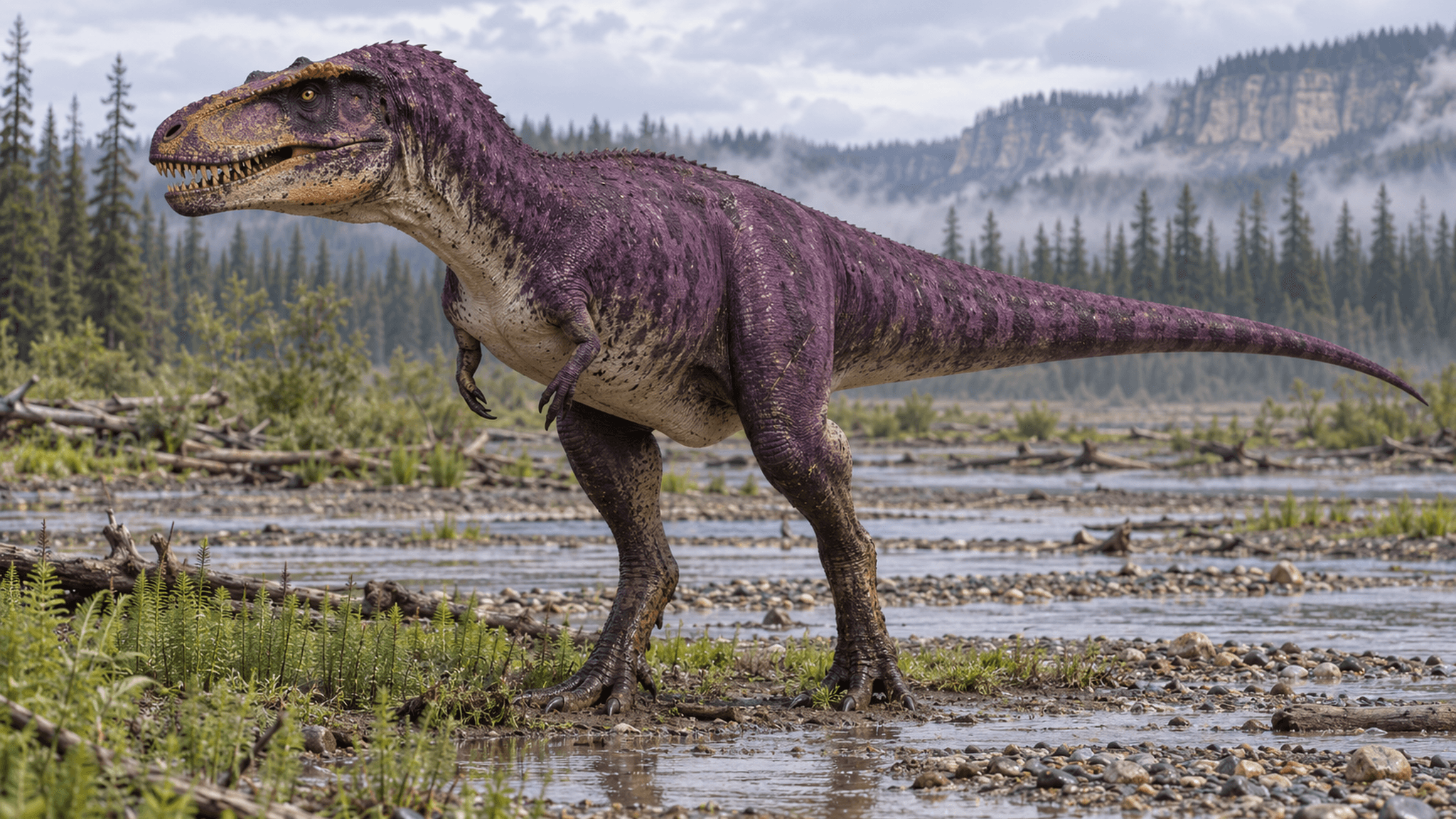
 · 4 Oct 2026Around 77 million years ago, an unknown predator stalked the floodplains of what is now Alberta. Now the animal has a name: *Tromerosaurus solumons*, a new tyrannosaur from Canada’s Oldman Formation. Its upper jaw combines features of two famous relatives and shakes the family tree of the giant predators.
 Dinosaurs
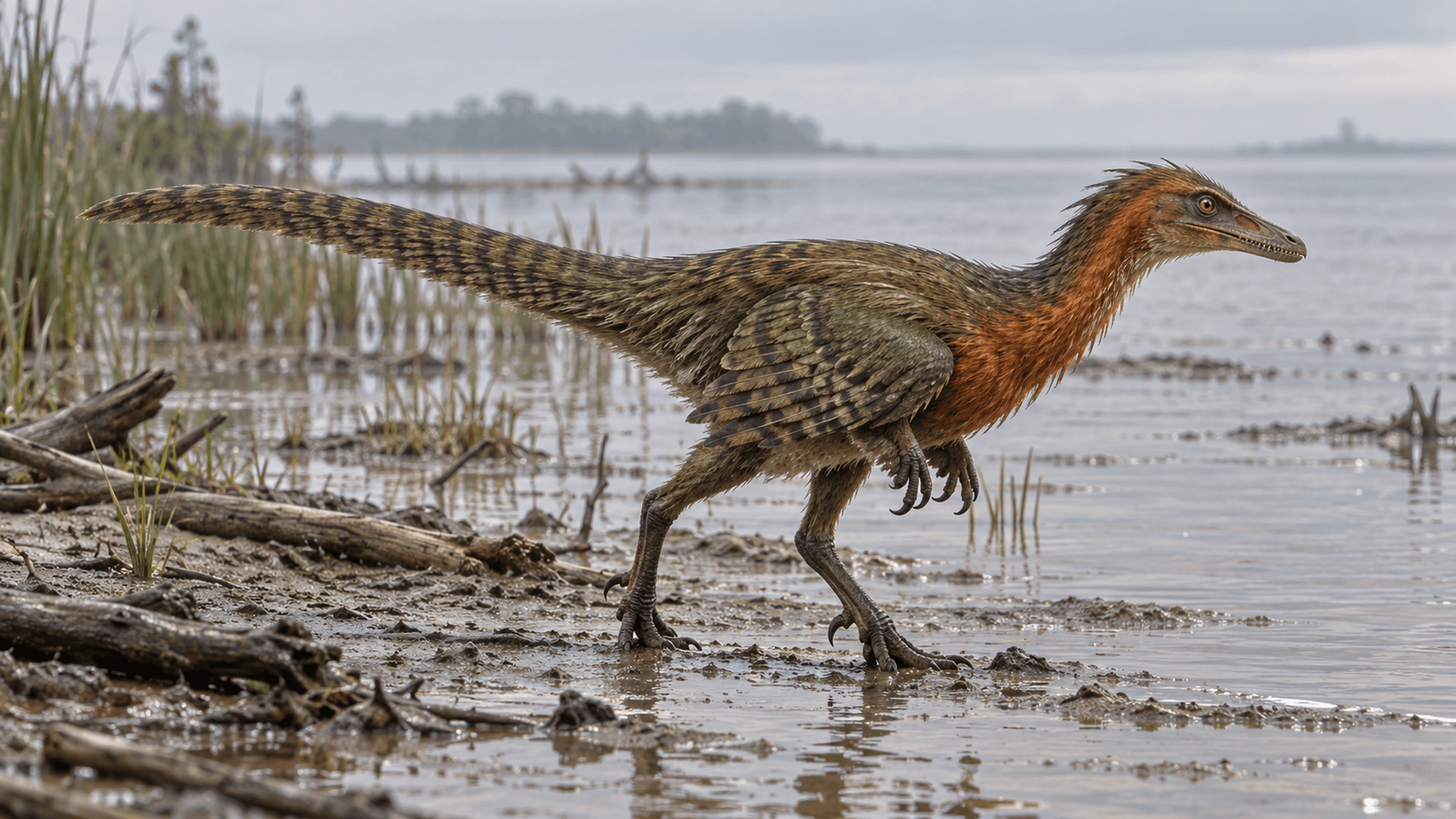
 · 2 Oct 2026Three bones from the cliffs of Cabo Espichel in Portugal date from the Early Cretaceous, and they did not belong to an early bird: their shape and size rule that out. They fit a small predatory dinosaur from the birds’ closest circle of relatives. Two of the arm bones may come from a single animal about the size of a modern male turkey. Such small predatory dinosaurs are barely known from the Iberian Peninsula.
 Dinosaurs
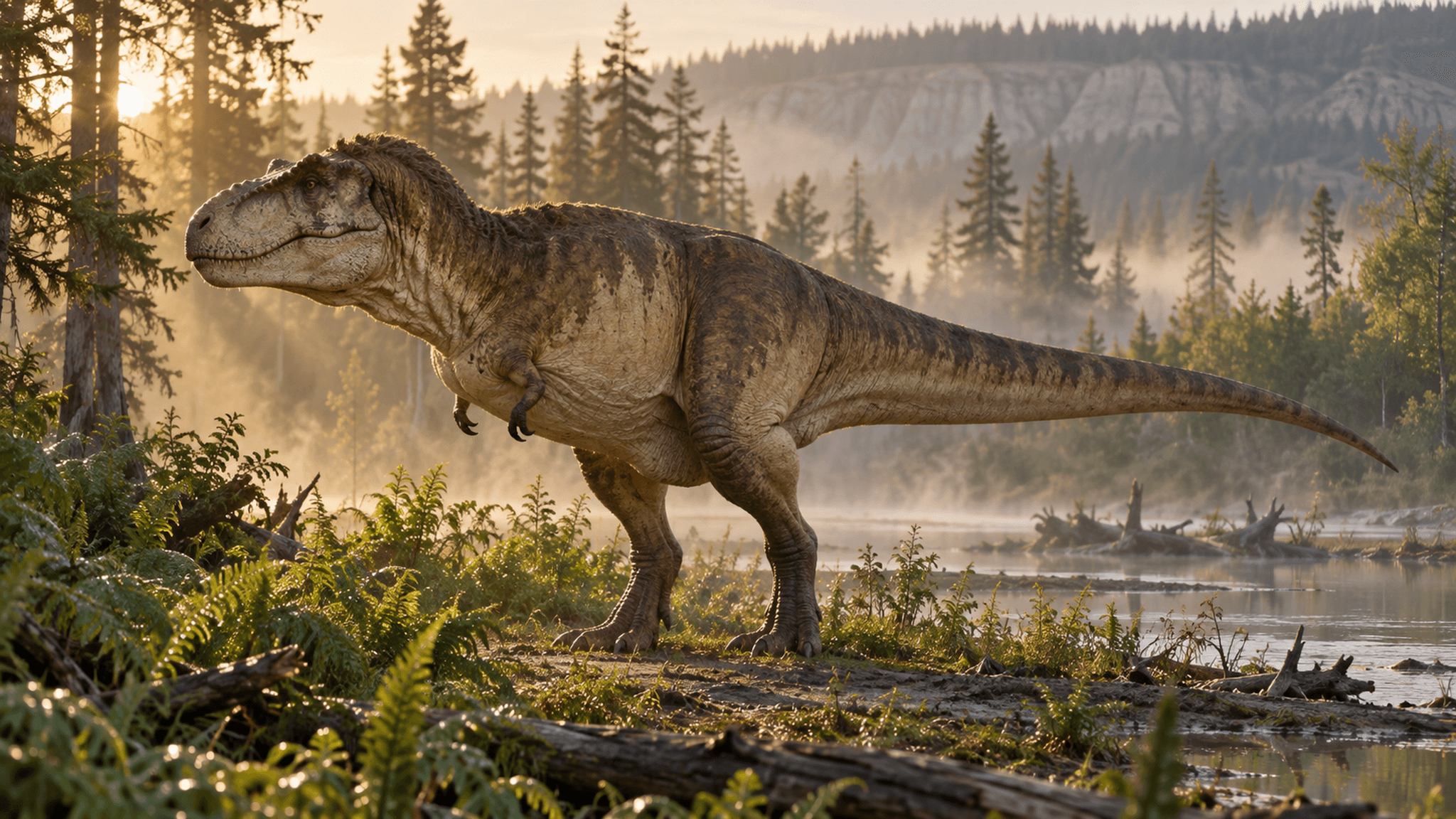
 · 27 Sept 2026Three 66-million-year-old teeth from the Hell Creek Formation in North America provide a concrete measurement of T. rex body temperature: 36.3 degrees Celsius, plus or minus 2.5 degrees. That put the Late Cretaceous predator in the range of modern mammals and birds. Scientists have argued over this question for decades, but hard measurements have been scarce. Now they have one.
 Dinosaurs
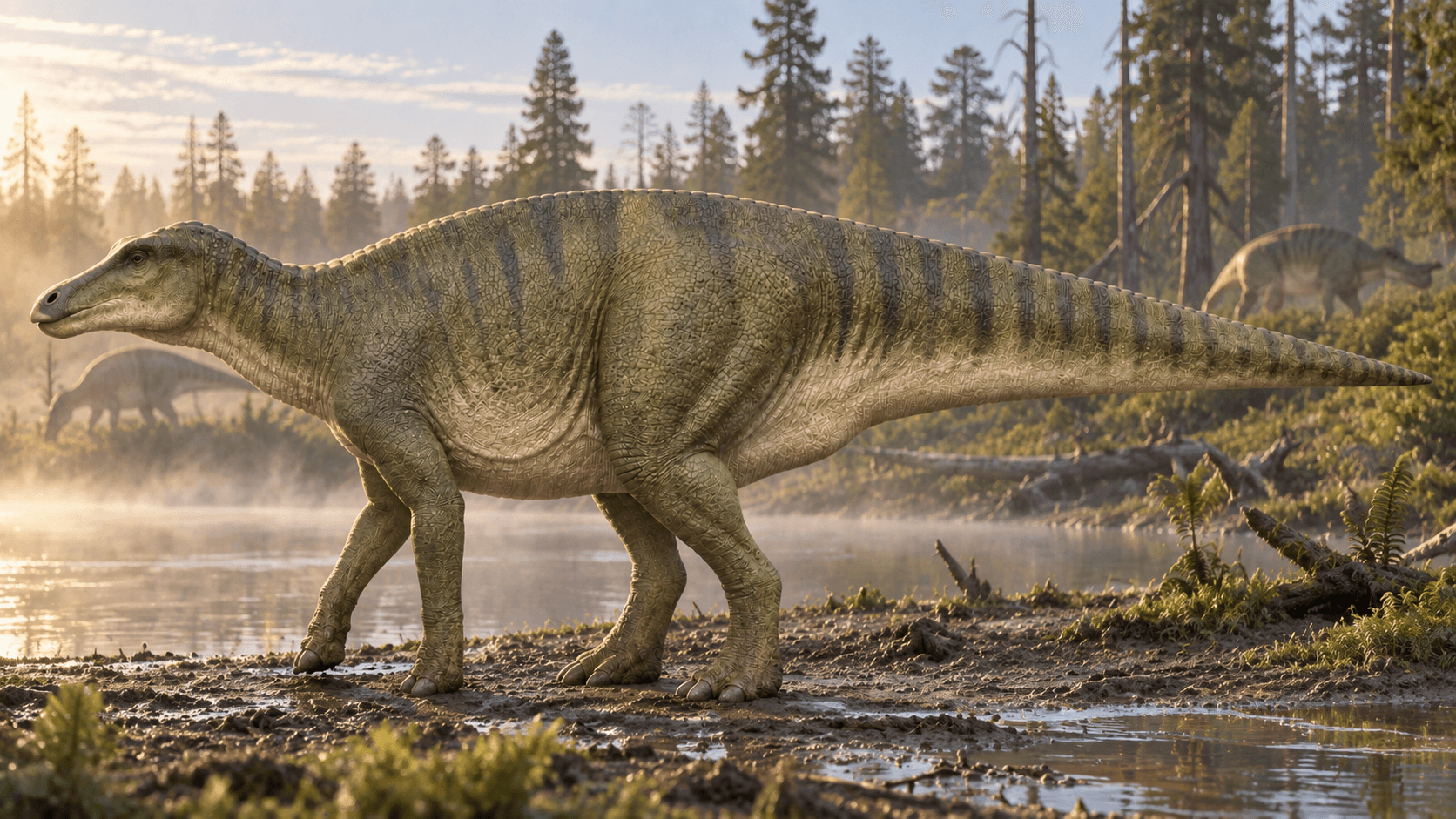
 · 14 Sept 2026The sacrum of an *Edmontosaurus* still contains remnants of the animal’s own protein. More precisely: fragments of collagen, the structural protein that keeps bones strong and flexible. A team led by Lucien Tuinstra found three independent lines of evidence for it. The fossil comes from the Late Cretaceous of South Dakota — and is fuelling a dispute that has occupied researchers for decades.
 Dinosaurs
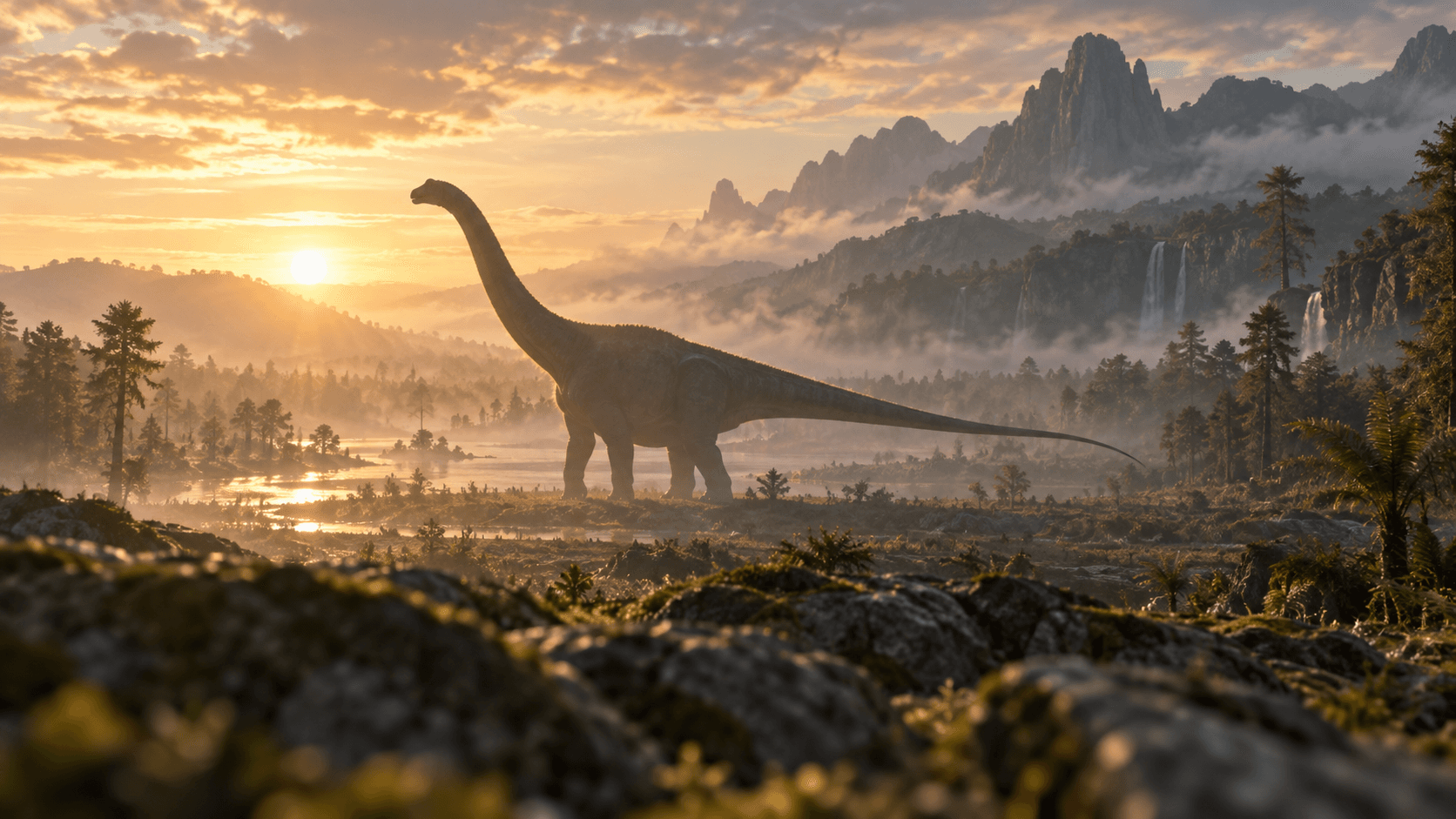
 · 12 Sept 2026First their diversity plunged. Then it climbed again. Long-necked dinosaurs from the group Diplodocoidea tell a striking story across the Jurassic–Cretaceous transition. A new study places their later diversity peak in the Aptian of the Early Cretaceous. In sampling-adjusted estimates, it even exceeds the highest Late Jurassic values. But different long-necked dinosaurs are behind this second boom.
 Dinosaurs
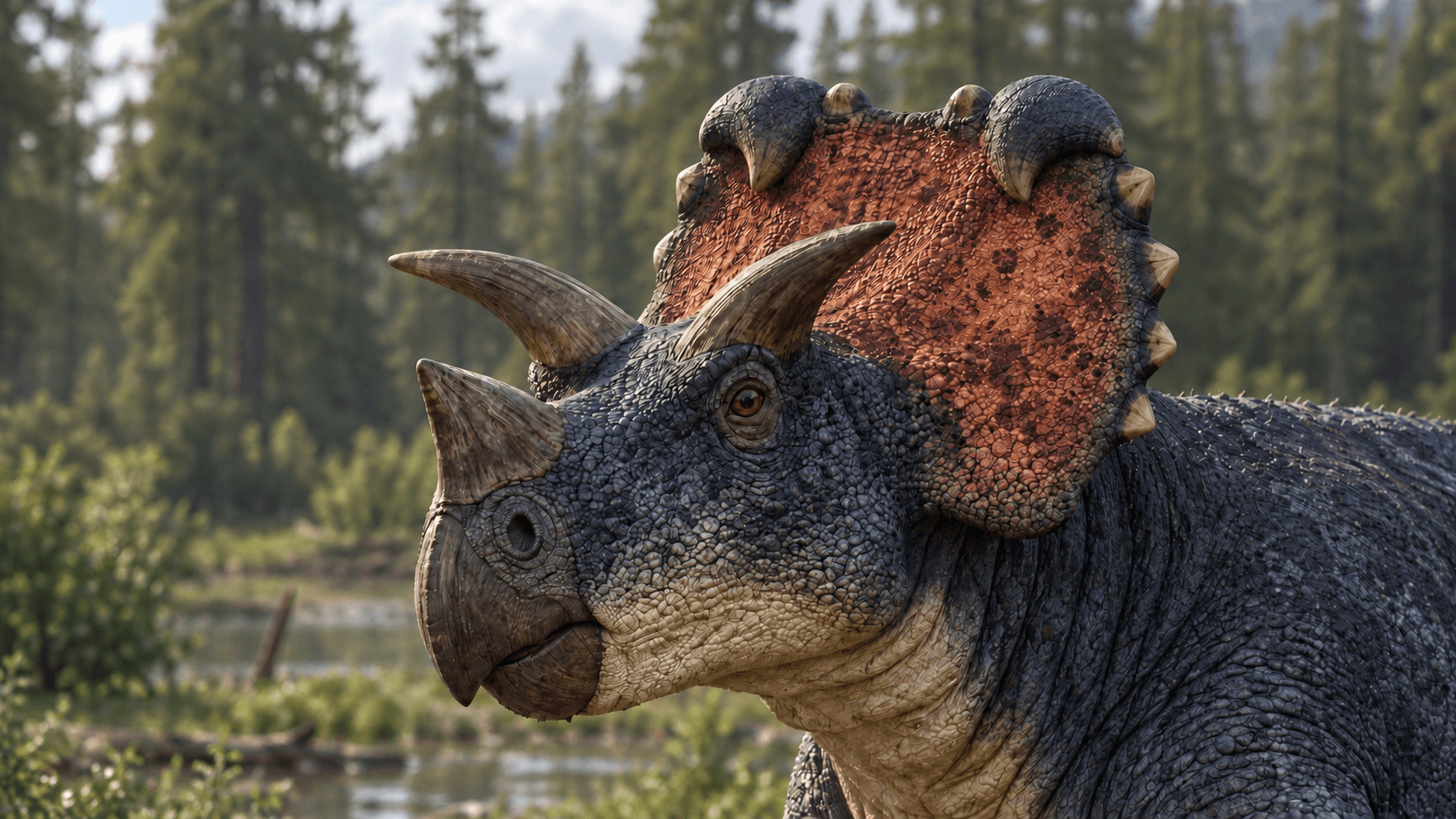
 · 11 Sept 2026Medusaceratops had pus draining from a bone in its tail. An injury had badly damaged the horned dinosaur, and infection ate into the vertebra. Yet its body kept responding, building a massive sheath of new bone. The Montana fossil shows that the dinosaur lived for a long time after the injury. The evidence is strikingly clear.
