Dinosaurs
Mesozoic
19 articles · Page 2 / 2 · All sections in the archive
 Dinosaurs
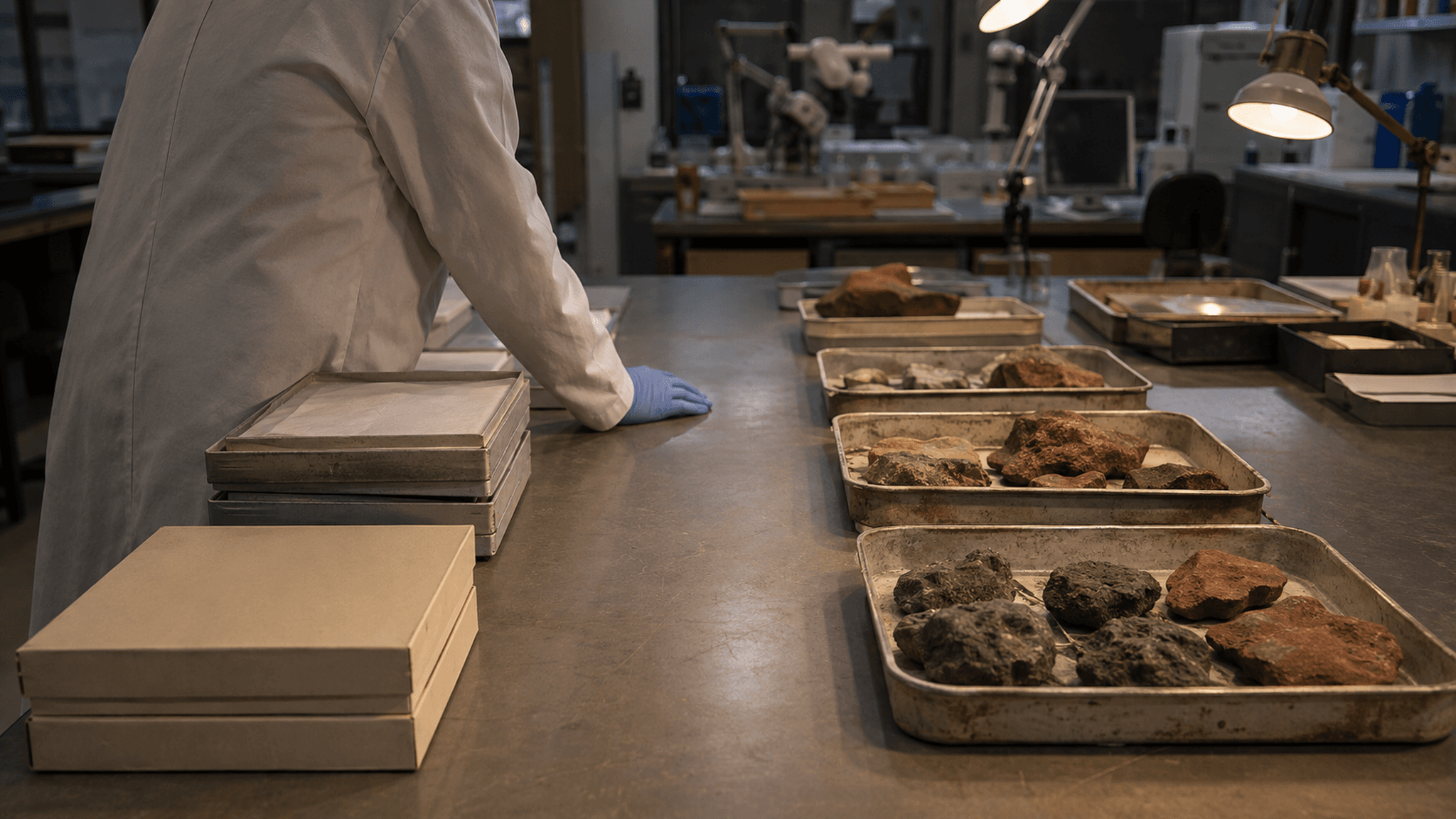
 · 4 Sept 2026Bones and bird-like tracks document a recurring presence in Late Cretaceous Mexico, but footprints alone cannot securely identify biological species.
 Dinosaurs
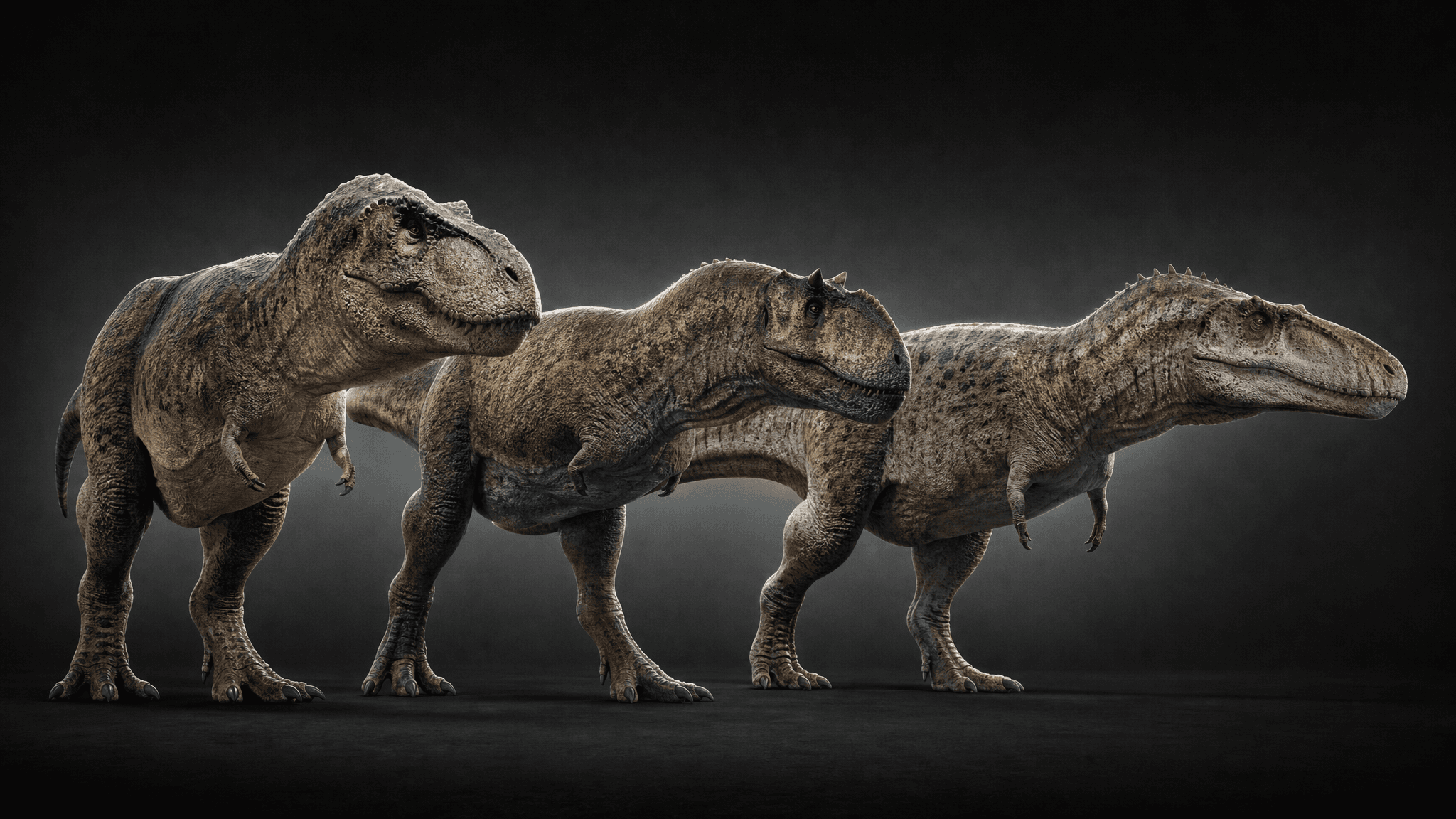
Mesozoikum · 14 Jun 2026A new Proceedings B study reveals a broader pattern: in at least five theropod lineages, reduced forelimbs were associated with more robust skulls and gigantic body size.
 Dinosaurs
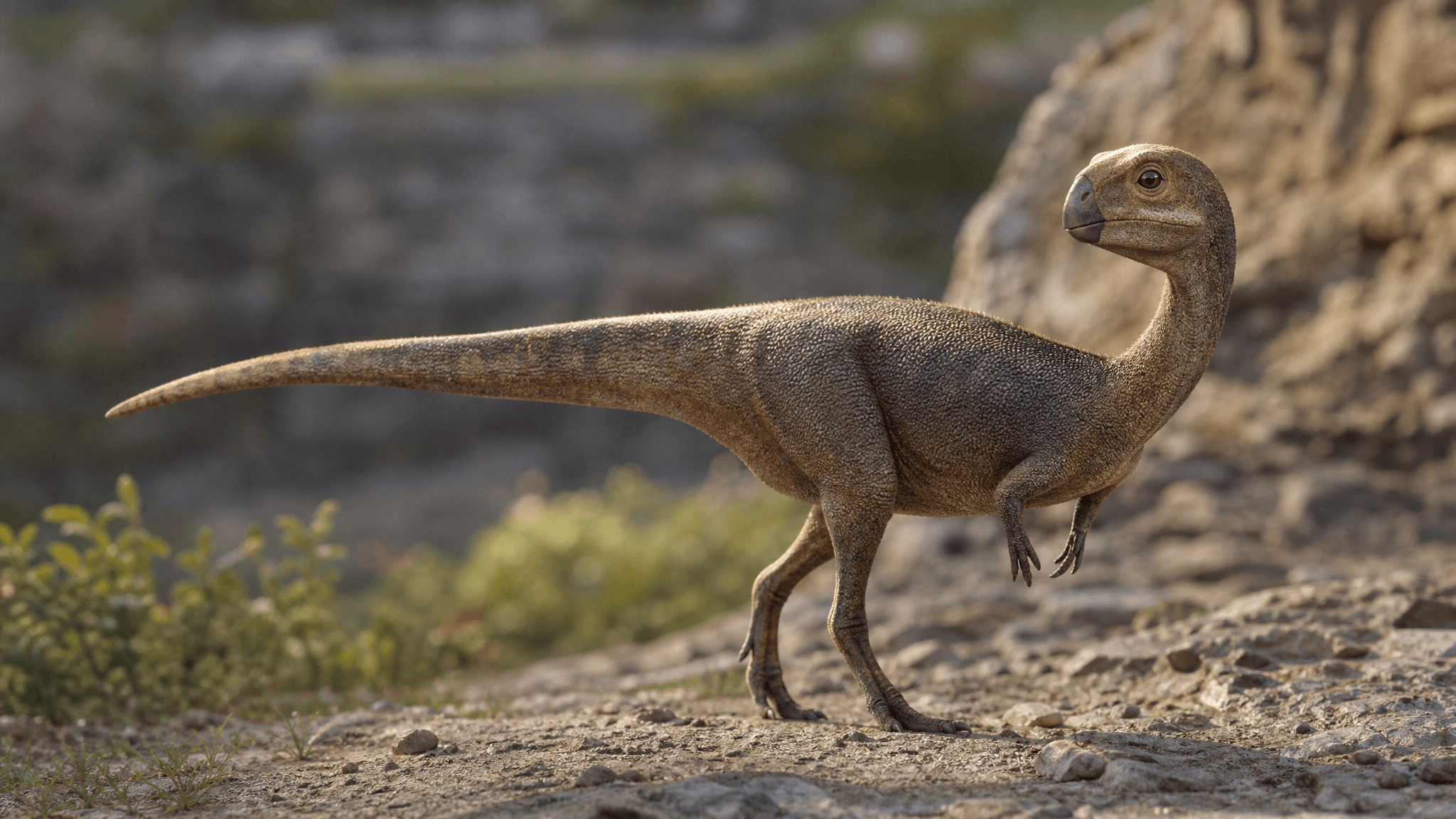
Mittlere Kreidezeit · 14 Jun 2026Doolysaurus huhmini is small, probably young and scientifically significant: the new paper describes the first studied dinosaur skull remains from Korea.
 Dinosaurs
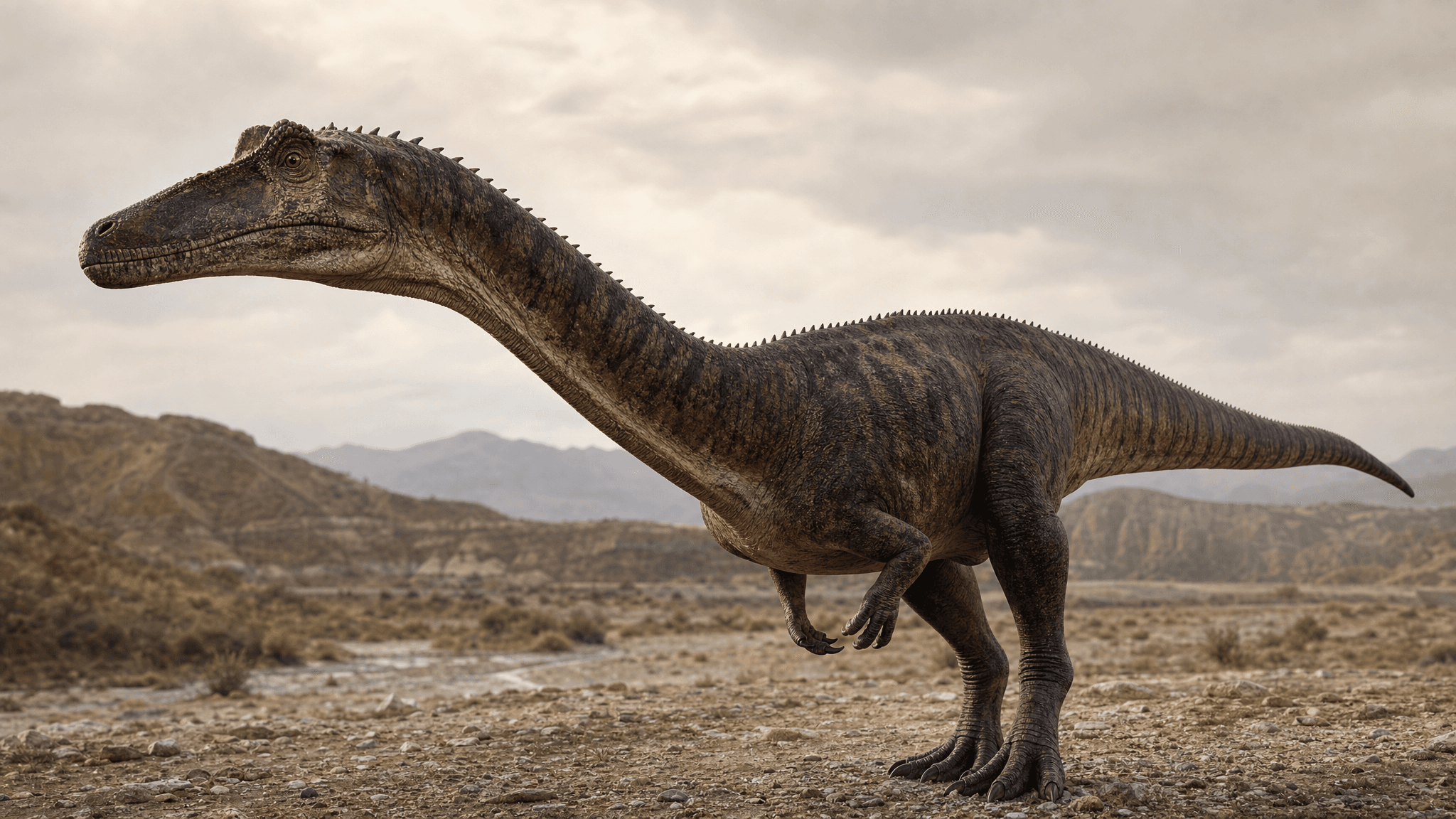
Mittlerer Jura · 14 Jun 2026Yuanmouraptor jinshajiangensis is a new metriacanthosaurid from China. Its skull and cervical vertebrae help us better understand a poorly documented early phase of these theropods.
 Dinosaurs
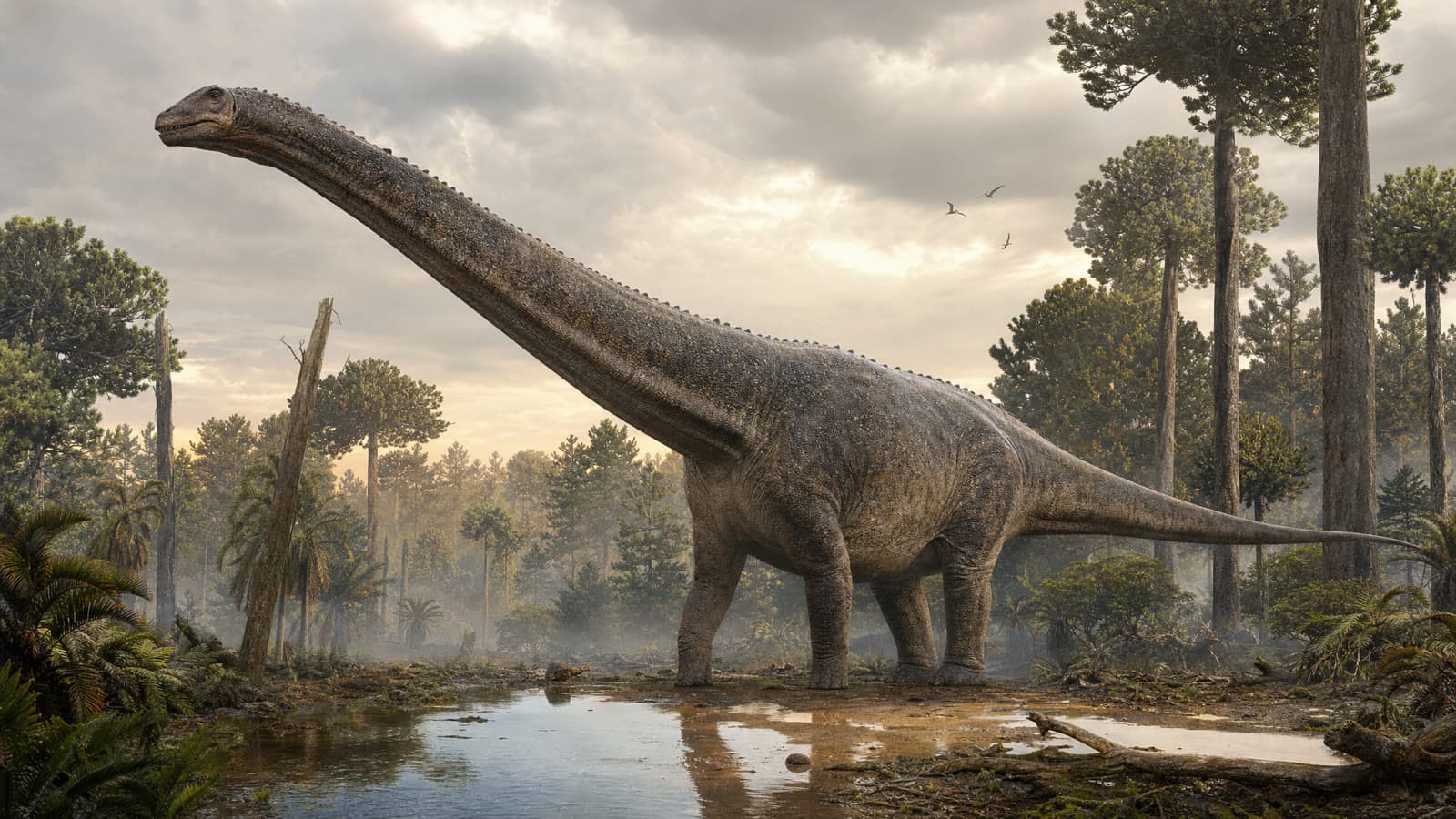
Unterkreide · Aptium/Albium · 14 Jun 2026A new study describes *Nagatitan chaiyaphumensis* from the Lower Cretaceous of Thailand. The find expands our picture of Southeast Asian sauropods—and shows how large some titanosauriforms there became.
 Dinosaurs
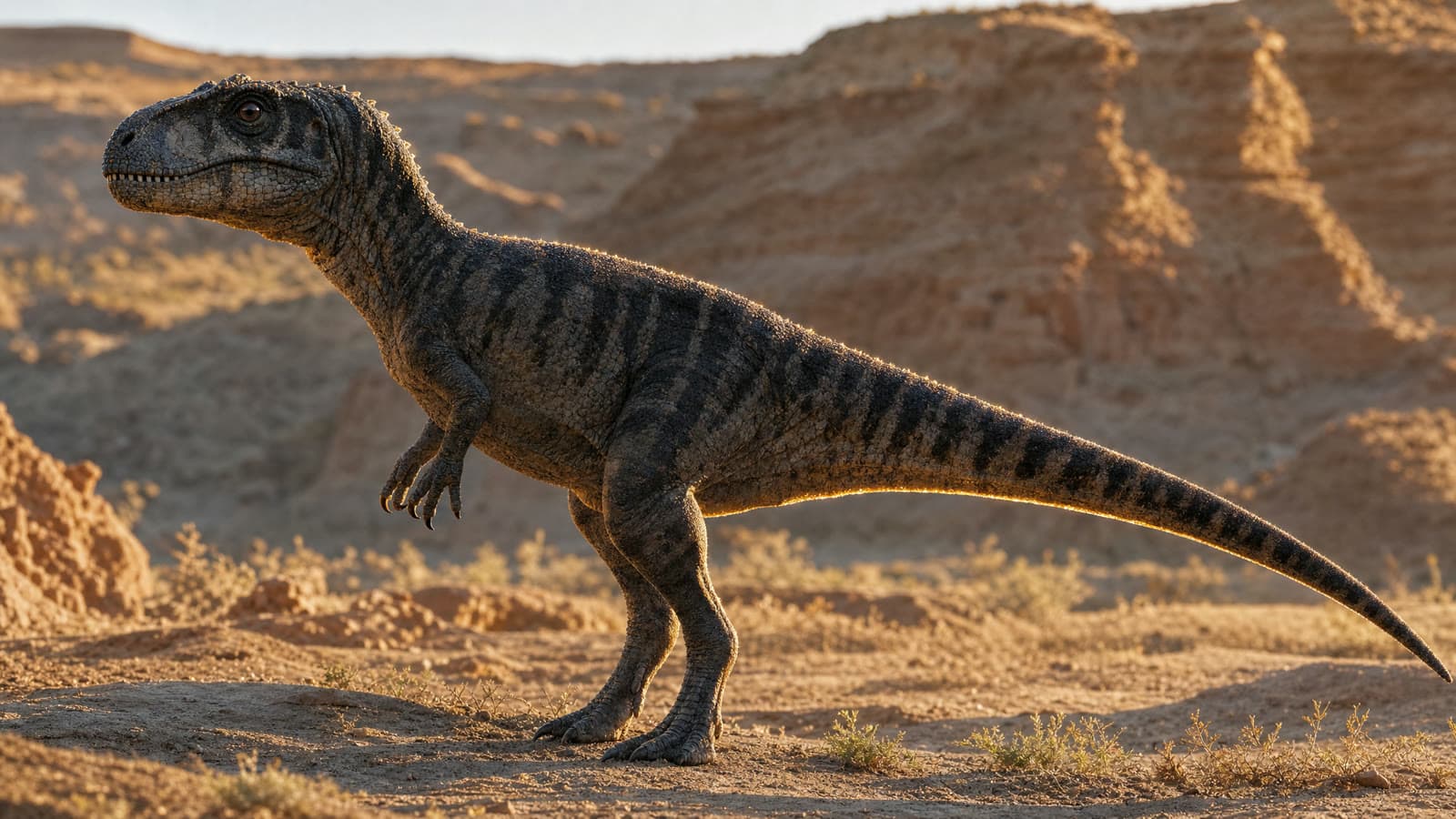
Kreidezeit · vor ca. 70 Mio. Jahren · 14 Jun 2026A new study in *Cretaceous Research* suggests that the fossils behind “Asiatyrannus” and “Raptorex” probably belong to juvenile or subadult specimens of *Tarbosaurus bataar* – with implications for the known geographical range of this tyrannosaurid.
 Dinosaurs
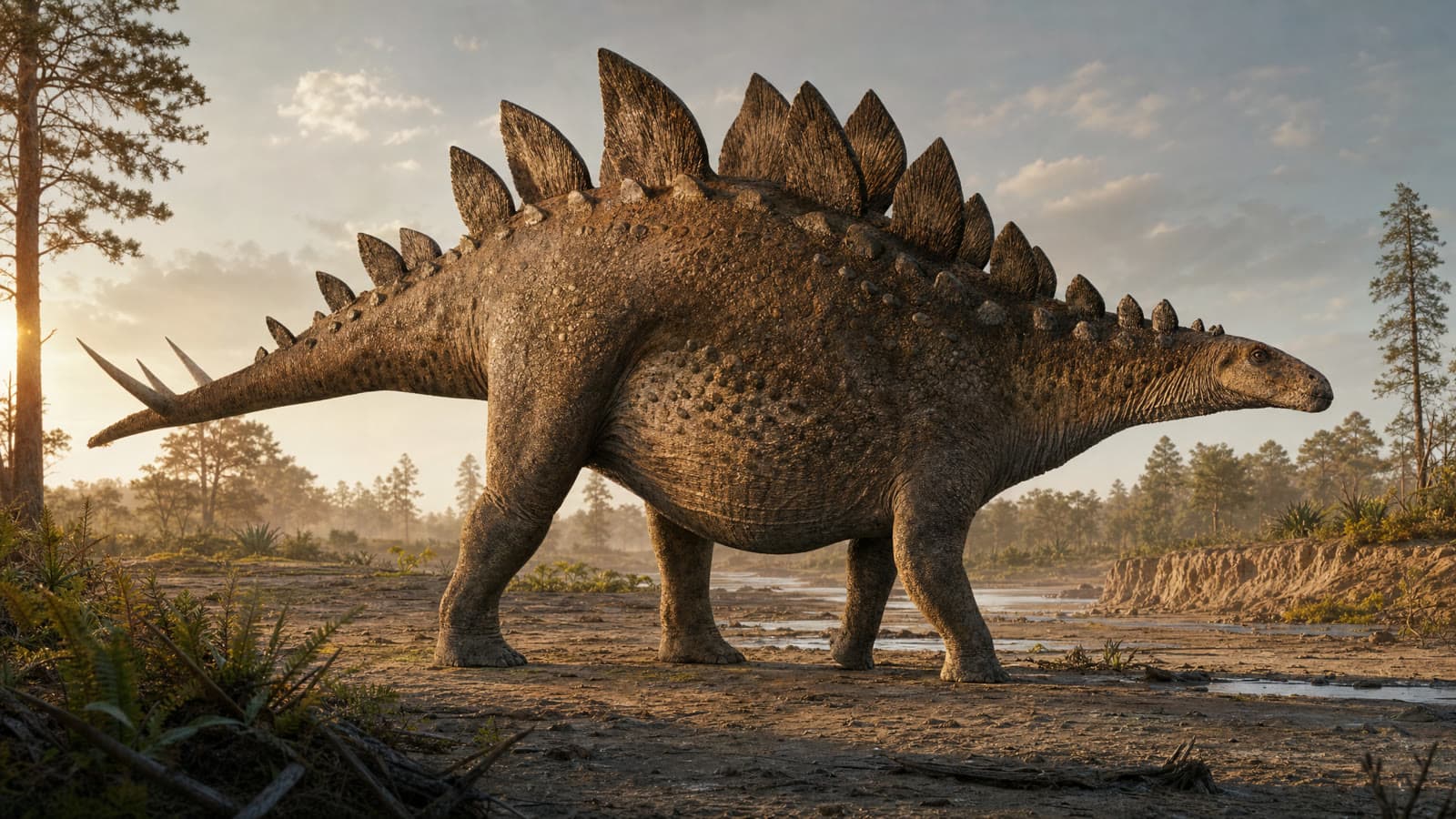
Oberjura · vor rund 150 Mio. Jahren · 14 Jun 2026Stegosaur skulls are extremely rare. A find from Spain now provides new clues about Dacentrurus armatus and the evolution of armoured dinosaurs.
