Two Names – Possibly the Same Species?
Imagine finding a fossil, giving it a striking new name – and then, years later, a reassessment shows that it might not represent a new animal at all, but a juvenile of an already known species. That may be exactly what happened with the fossil material behind two Asian tyrannosaurid taxa that have recently occupied palaeontologists. A new study in the journal Cretaceous Research (DOI: 10.1016/j.cretres.2026.106412) fundamentally questions whether these taxa are distinct – and reaches a remarkable biogeographical conclusion in the process.
What the Paper Describes
The study by Gorm Skouboe Raun, Colton C. Coppock, Demchig Badamgarav, Khishigjav Tsogtbaatar and Philip John Currie provides a new taxonomic assessment of two disputed tyrannosaurids: Asiatyrannus xui, only recently named from the Nanxiong Formation in southern China, and Raptorex kriegsteini, whose status has been fiercely debated since its original description. Using comparative morphology, the researchers analyse whether the diagnostic features of both taxa really justify separate species – or whether they can be explained by ontogeny, meaning age-related changes during growth.
Why This Is So Exciting
Tyrannosaurid taxonomy may sound like dry bone comparison. It is anything but. Whenever a supposedly new taxon is rejected or confirmed, our picture of how these animals lived, migrated and populated the continents changes. Raptorex kriegsteini has been contentious since its description in 2009: some researchers regarded it as a tiny, early precursor of large tyrannosaurids, while others saw it as a juvenile. Asiatyrannus xui was named only recently and was therefore a new addition to the map. Both cases show how difficult it is to draw reliable species boundaries from juvenile material.
What Was Previously Unclear
The central problem is that young tyrannosaurids look different from adults. Skull proportions, tooth morphology and bone structure change considerably during growth. Features that initially appear unique and might support a new species are sometimes simply juvenile characteristics. Until now, this risk of confusion had not been examined systematically for Asiatyrannus xui and Raptorex kriegsteini through direct comparison with juvenile specimens of Tarbosaurus bataar.
What the Paper Specifically Says
The morphological evidence presented in the paper is clear: both taxa share numerous skull features with juvenile and adolescent specimens of Tarbosaurus bataar. According to the authors, the crucial point is that Asiatyrannus xui has no demonstrable apomorphies – meaning derived characteristics – that do not also occur in Tarbosaurus bataar. For Raptorex kriegsteini, stratigraphic data from earlier studies and the presence of Tarbosaurus autapomorphies in the material concerned provide additional support for the reassignment. The paper concludes that both taxa should probably be regarded as junior synonyms of Tarbosaurus bataar – meaning that they would no longer be separate species. Particularly significant is that a specimen from the Nanxiong Formation in southern China, now reclassified as Tarbosaurus bataar, expands the species’ known range to more than 2,300 kilometres. According to the researchers, this is consistent with the ranges of some North American tyrannosaurids and suggests that we systematically underestimate the ranges of many theropods.
What Remains Uncertain
The study itself describes them as “probable” synonyms – the wording in the abstract is deliberately cautious. Formal synonymisation requires broad scientific consensus, which is rarely reached quickly in tyrannosaurid taxonomy. The precise origin of individual specimens also remains a source of uncertainty, especially in the case of Raptorex kriegsteini, whose provenance has been debated for years. Further discoveries and histological studies could still alter the picture.
Tiefenzeit Perspective
If the paper’s conclusions hold up, Tarbosaurus bataar was not a regionally confined tyrant of the Gobi, but a large predator with a range that probably extended across thousands of kilometres – comparable to the extensive ranges of modern predators, which the paper uses as an analogy. This fundamentally changes our understanding of these animals’ ecology and mobility. At the same time, the cases of Asiatyrannus and Raptorex remind us how cautiously science must approach the naming of new taxa based on juvenile fossils. Every new name is a hypothesis – and hypotheses can fall.
Source & Image Note
Raun, G. S., Coppock, C. C., Badamgarav, D., Tsogtbaatar, K. & Currie, P. J. (2026): Taxonomic reassessment of juvenile tyrannosaurine specimens from Asia reveal large biogeographic ranges in tyrannosaurids. Cretaceous Research 186, Article 106412. DOI: [10.1016/j.cretres.2026.106412](https://doi.org/10.1016/j.cretres.2026.106412)
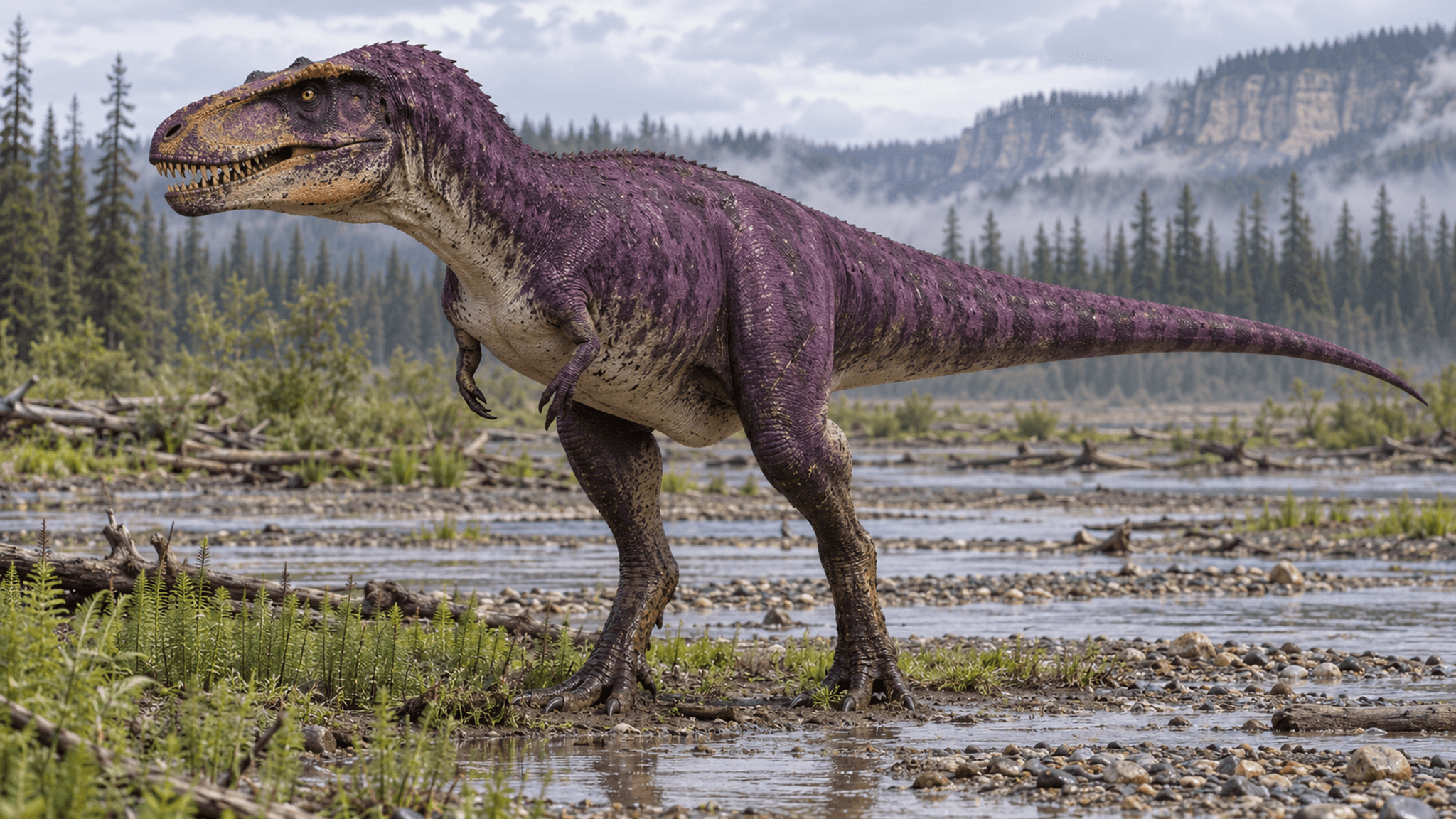
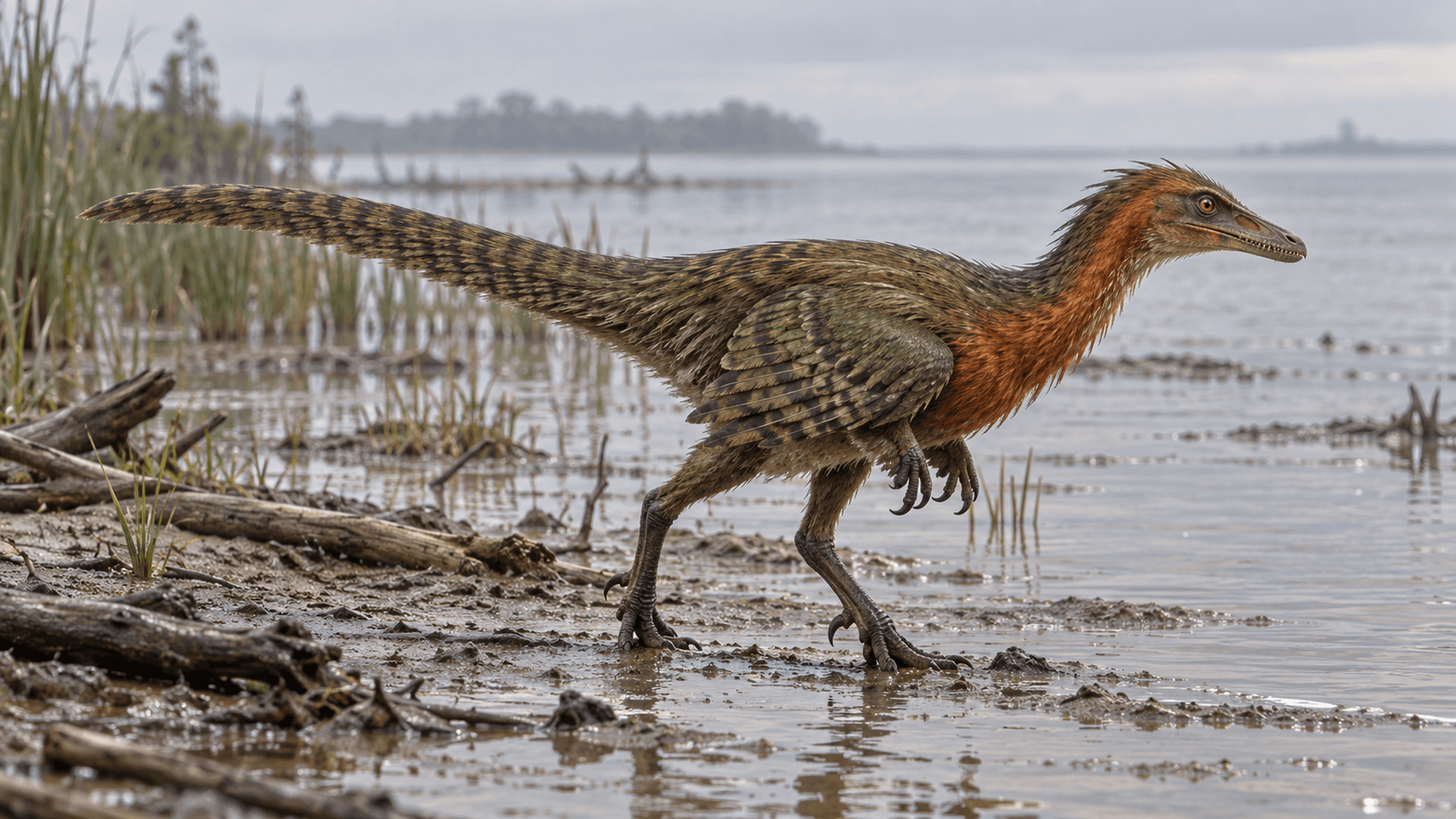
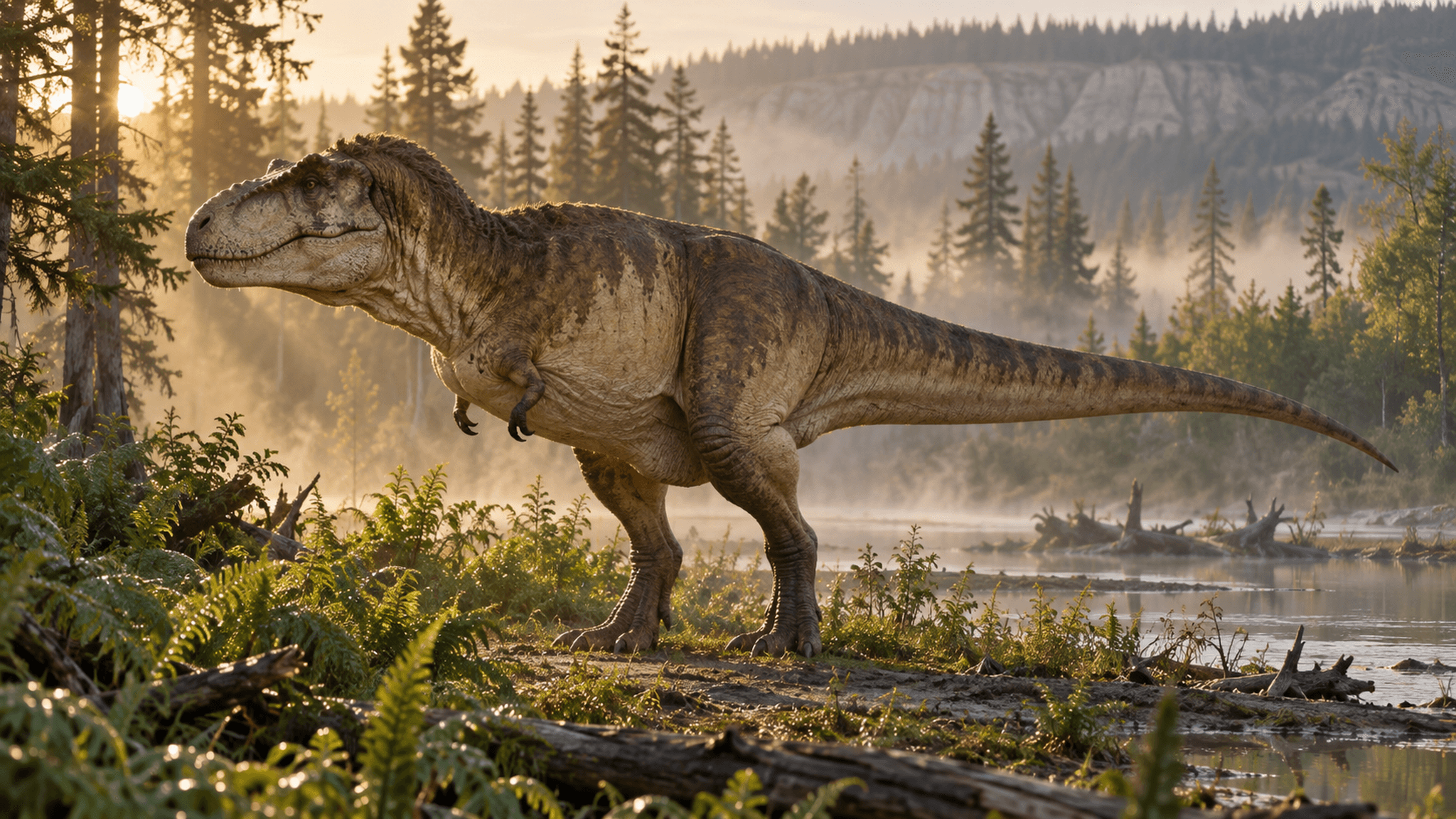
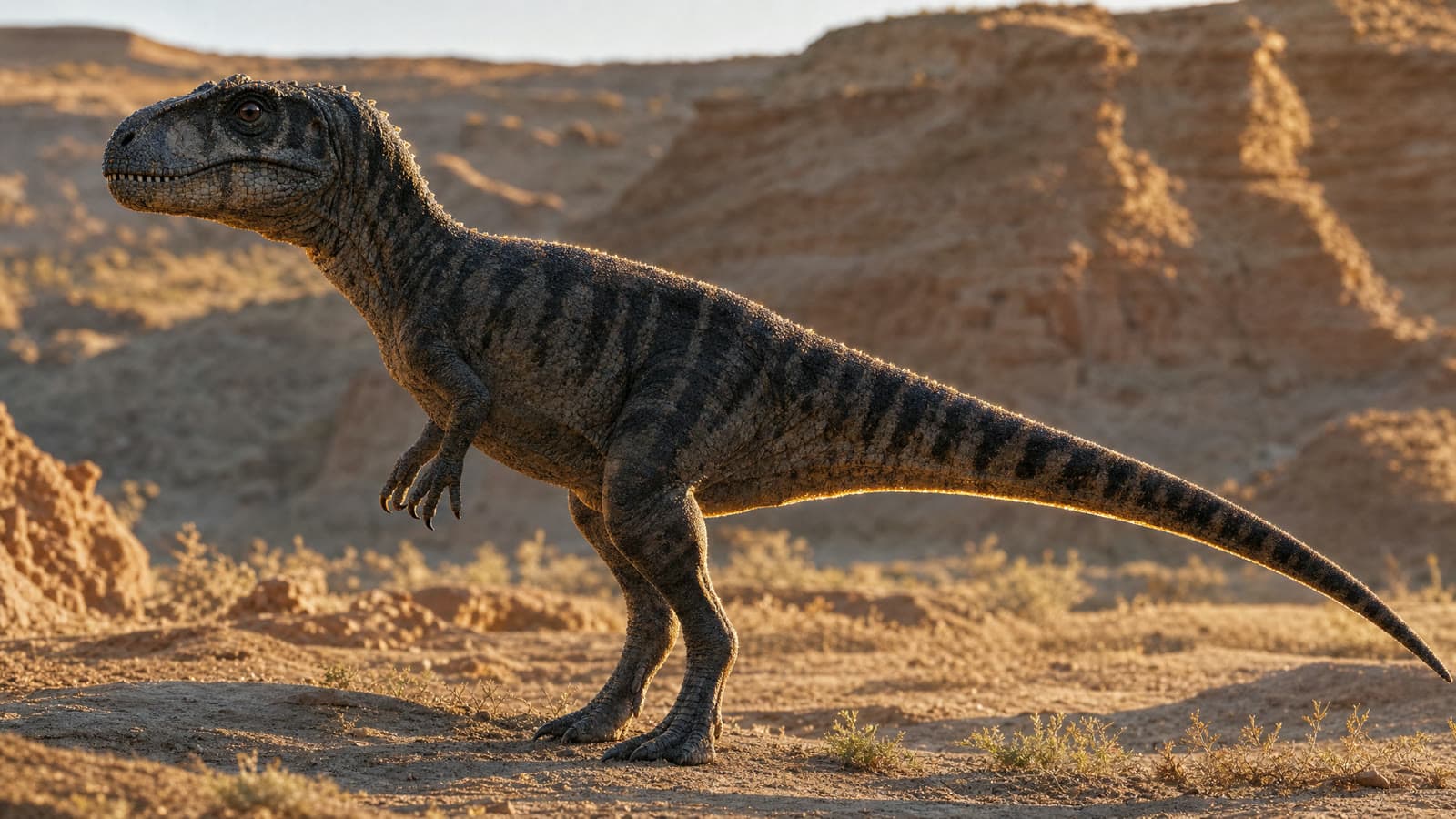
The lead image is an AI reconstruction / artistic approximation of a juvenile or subadult Tarbosaurus bataar in a Late Cretaceous Asian landscape. It is not a figure from the paper or a verified reconstruction of “Asiatyrannus” or “Raptorex”.