66,000,000 years ago today · Cretaceous–Paleogene boundaryTuesday, 15 September 2026 · Strictly scientific. Always sourced.
Latest
New marine reptile? This skull bone matches no known mosasaurWood in Volcanic Debris: This New Species Raises a Mystery!Impossible? This Dinosaur Bone Still Contains Original ProteinFeeding traces on dinosaur bones: Who plundered the carcasses?Long-Necked Dinosaurs: After the Crash Came Another Boom!Feathers in dinosaur poop: This little lump packs a surprise!Medusaceratops: Pus in its bone – and it lived on!New marine reptile? This skull bone matches no known mosasaurWood in Volcanic Debris: This New Species Raises a Mystery!Impossible? This Dinosaur Bone Still Contains Original ProteinFeeding traces on dinosaur bones: Who plundered the carcasses?Long-Necked Dinosaurs: After the Crash Came Another Boom!Feathers in dinosaur poop: This little lump packs a surprise!Medusaceratops: Pus in its bone – and it lived on!

Search & archive

Search headlines and article text. Leave the search field empty to browse every article, newest first.

10 articles · Page 1 / 1

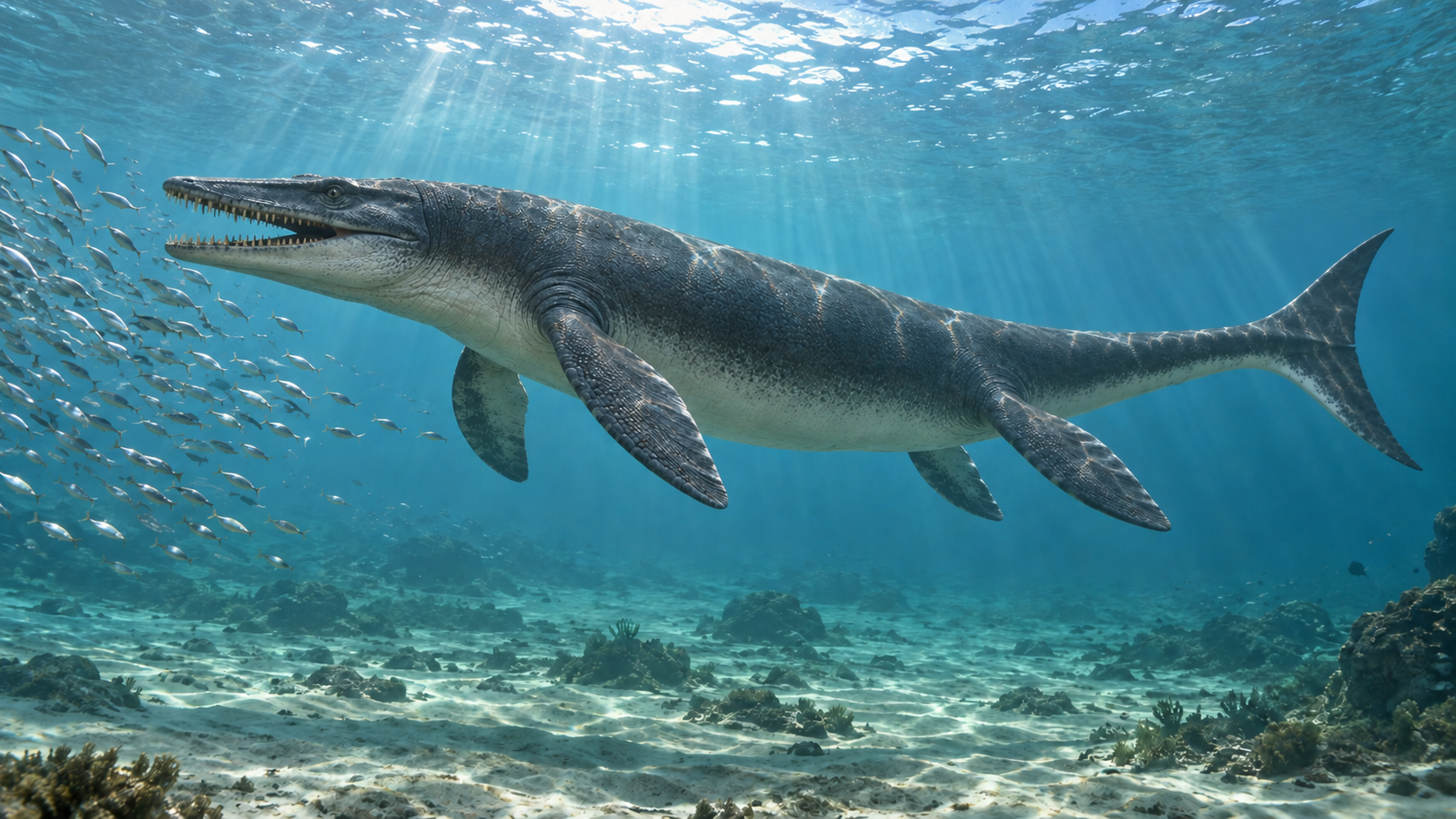
Artistic depiction of a mosasaur in the Late Cretaceous. A generic reconstruction, not the animal from Kaizuka.Sea Reptiles
Sea Reptiles · yesterday

New marine reptile? This skull bone matches no known mosasaur

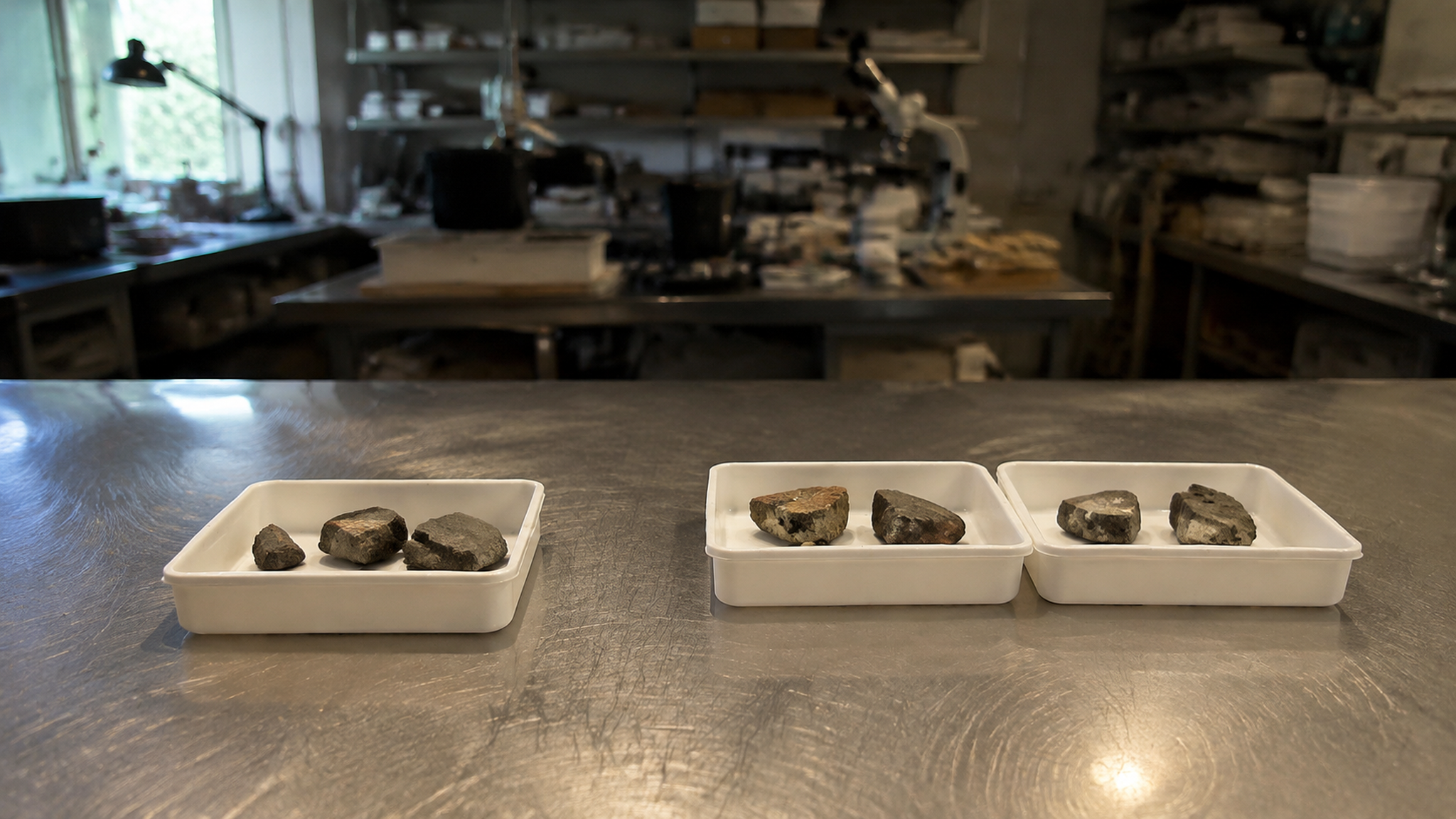
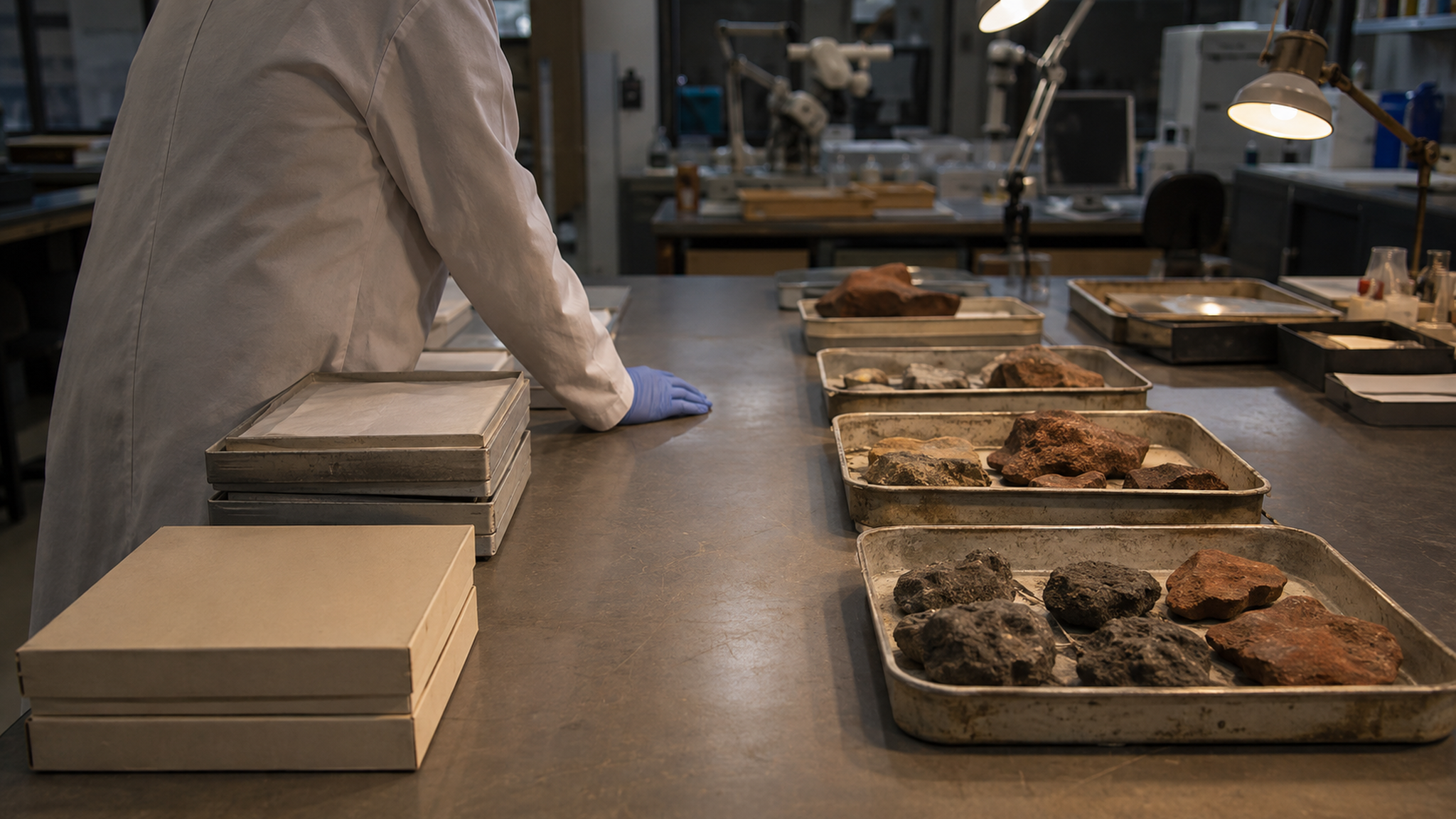
A rock block from Japan sat in a museum for more than three decades — packed with mosasaur bones that nobody had recognised. Researchers found four overlooked bones inside it, including the first confirmed front upper-jaw bone from a mosasaur in Japan. A braincase bone bears a combination of features unlike any described mosasaur. It may represent a new species, but that has not been established.

CheckedSource: www.eurekalert.org
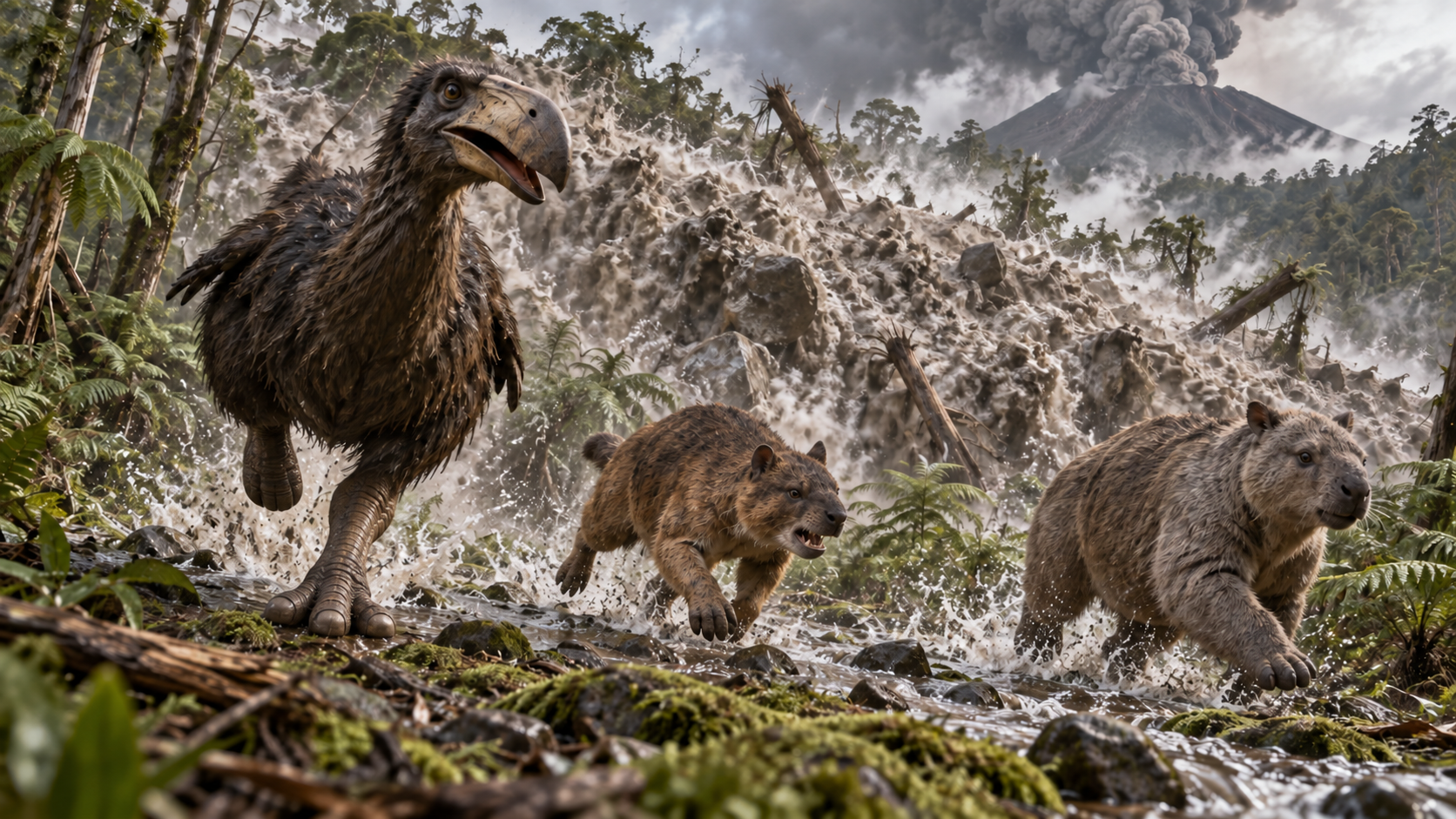
Artistic depiction: three extinct animals from Oligocene Australia – the thunder bird Barawertornis, the giant rat-kangaroo Ekaltadeta and the marsupial Ngapakaldia – flee a volcanic mudflow. Scene and animals are not from the study.Fossil Finds
Fossil Finds · yesterday

Wood in Volcanic Debris: This New Species Raises a Mystery!

Fossil wood from Queensland has a new name: *Scalarixylon lahar*. The species comes from Oligocene volcanic deposits near Maidenwell in the south-east of the Australian state. Its wood bears a pattern also seen in fossil protea-family wood from South America. The vegetation at the site grew under permanently moist conditions and was dominated by rainforest plants. One big question remains: which living genus does it belong to?

CheckedSource: DOI: 10.1071/sb26004
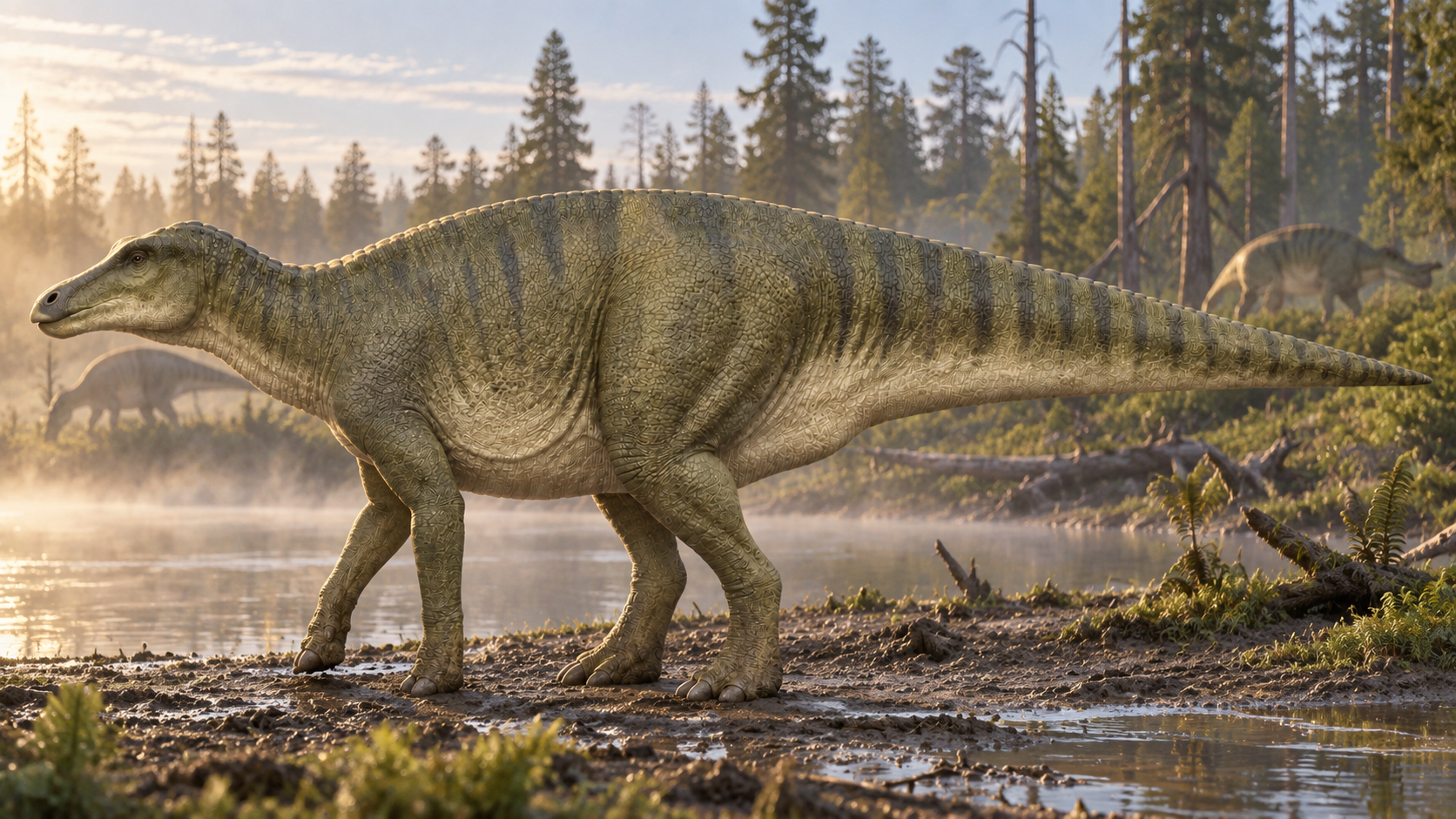
AI life reconstruction of Edmontosaurus annectens by a river in the Hell Creek Formation. Body plan after the Tiefenzeit master; colouration and pattern are speculative.Dinosaurs
Dinosaurs · yesterday

Impossible? This Dinosaur Bone Still Contains Original Protein

The sacrum of an *Edmontosaurus* still contains remnants of the animal’s own protein. More precisely: fragments of collagen, the structural protein that keeps bones strong and flexible. A team led by Lucien Tuinstra found three independent lines of evidence for it. The fossil comes from the Late Cretaceous of South Dakota — and is fuelling a dispute that has occupied researchers for decades.

CheckedSource: DOI: 10.1021/acs.analchem.4c03115
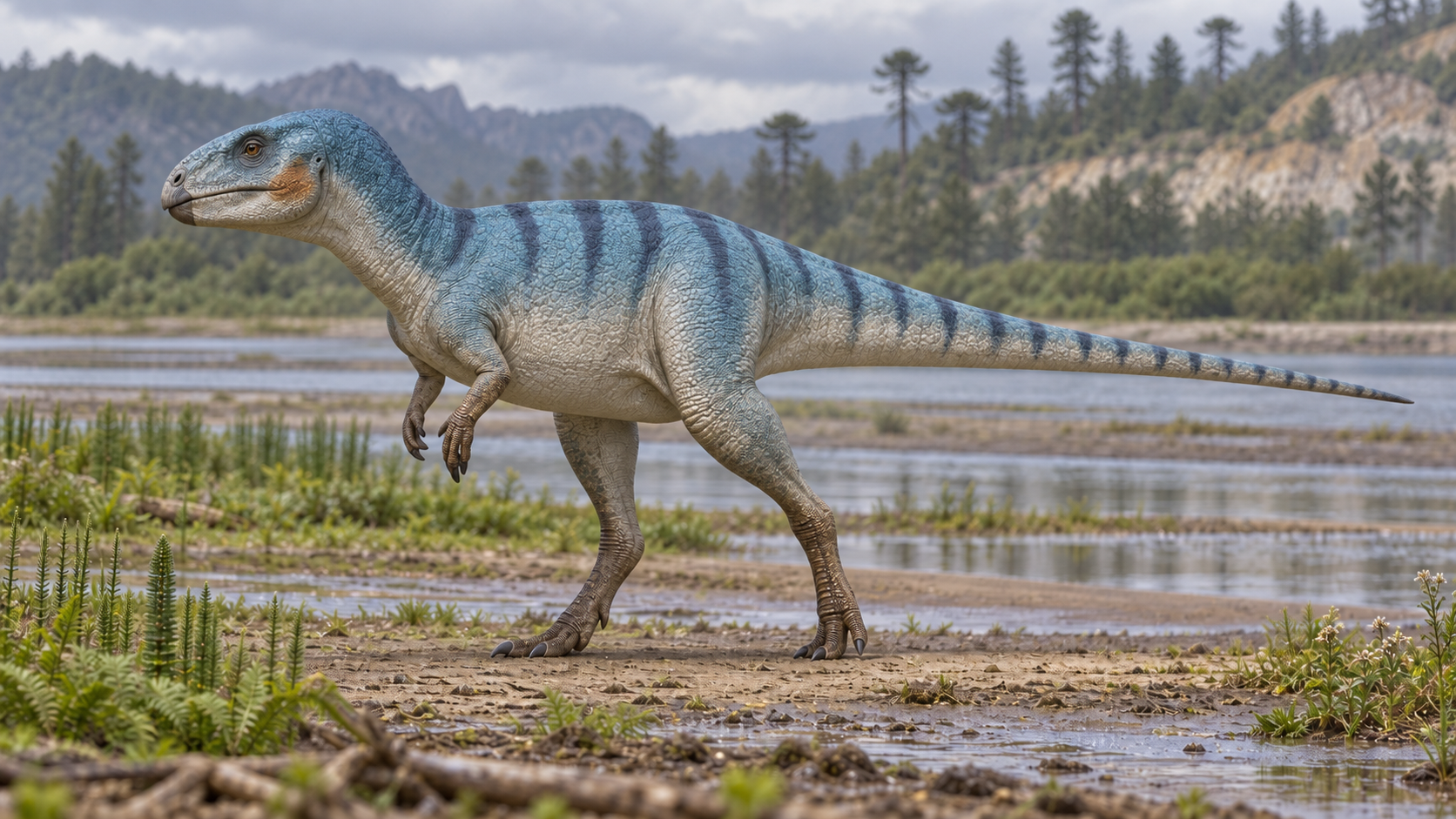
AI life reconstruction of an indeterminate rhabdodontid from Haţeg. Body plan based on Zalmoxes robustus for comparison; colouration and pattern are speculative.Fossil Finds
Fossil Finds · 2 days ago

Feeding traces on dinosaur bones: Who plundered the carcasses?

A tunnel pierces the shell of a Cretaceous turtle. Nearby, feeding traces on dinosaur bones point to three suspects: probably termites, hide beetles and multituberculates, an extinct group of mammals. Six forms of pits, tunnels and grooves turn the bones from Romania’s Haţeg Basin into a case file on what happened after death.

CheckedSource: DOI: 10.3897/fr.29.189421
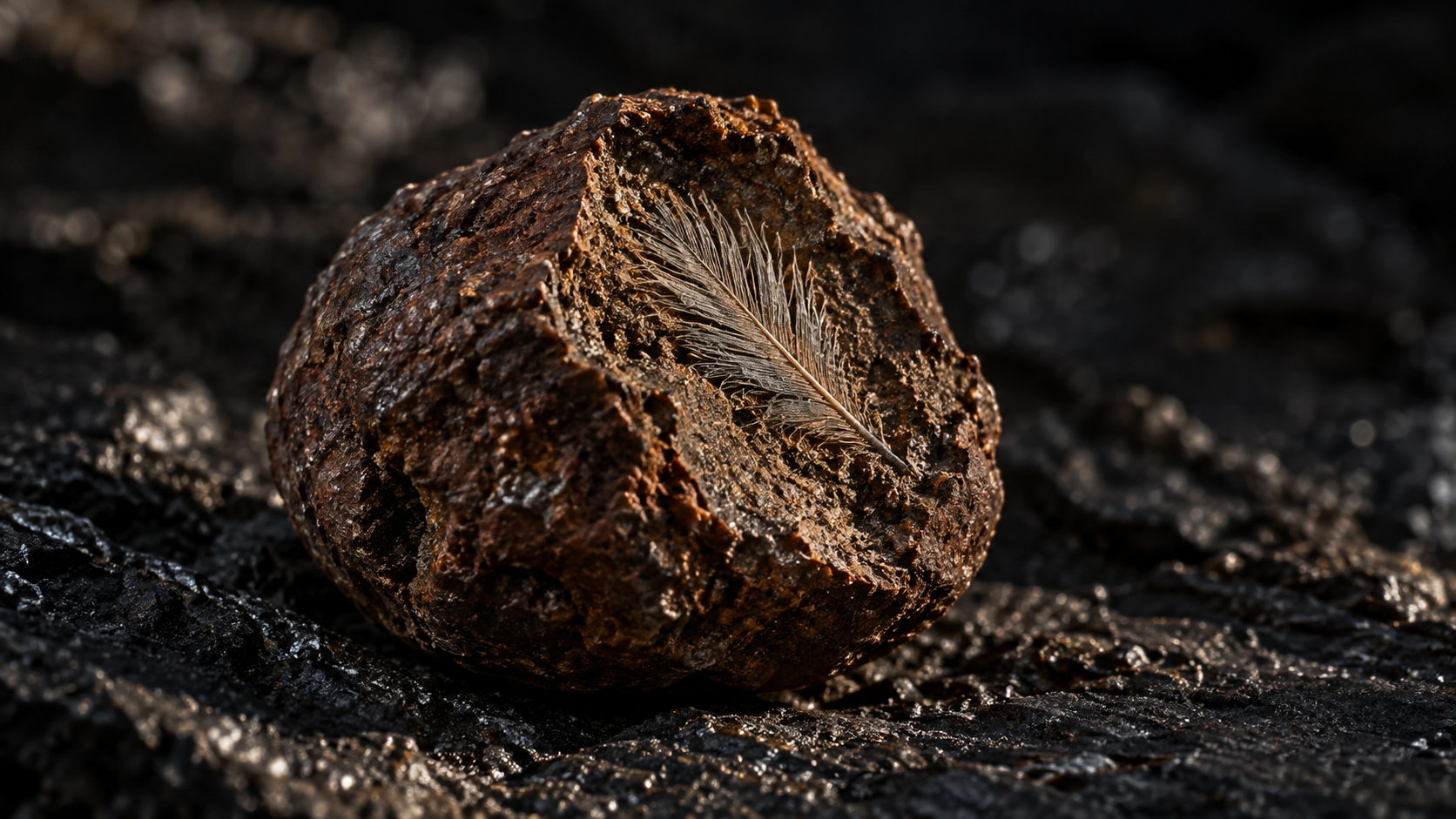
Original illustration of a coprolite with an exposed feather; not a depiction of the actual fossil.Fossil Finds
Fossil Finds · 3 days ago

Feathers in dinosaur poop: This little lump packs a surprise!

Feathers in dinosaur poop have put researchers on an unexpected trail: an unassuming lump from Montana preserves bird remains from around 66 million years ago. A tiny feather sits on the surface, with more feathers, scales and bones hidden inside. The find records a meal – and could help explain why some bird groups survived the mass extinction while others vanished.

CheckedSource: DOI: 10.1016/j.cub.2026.08.054
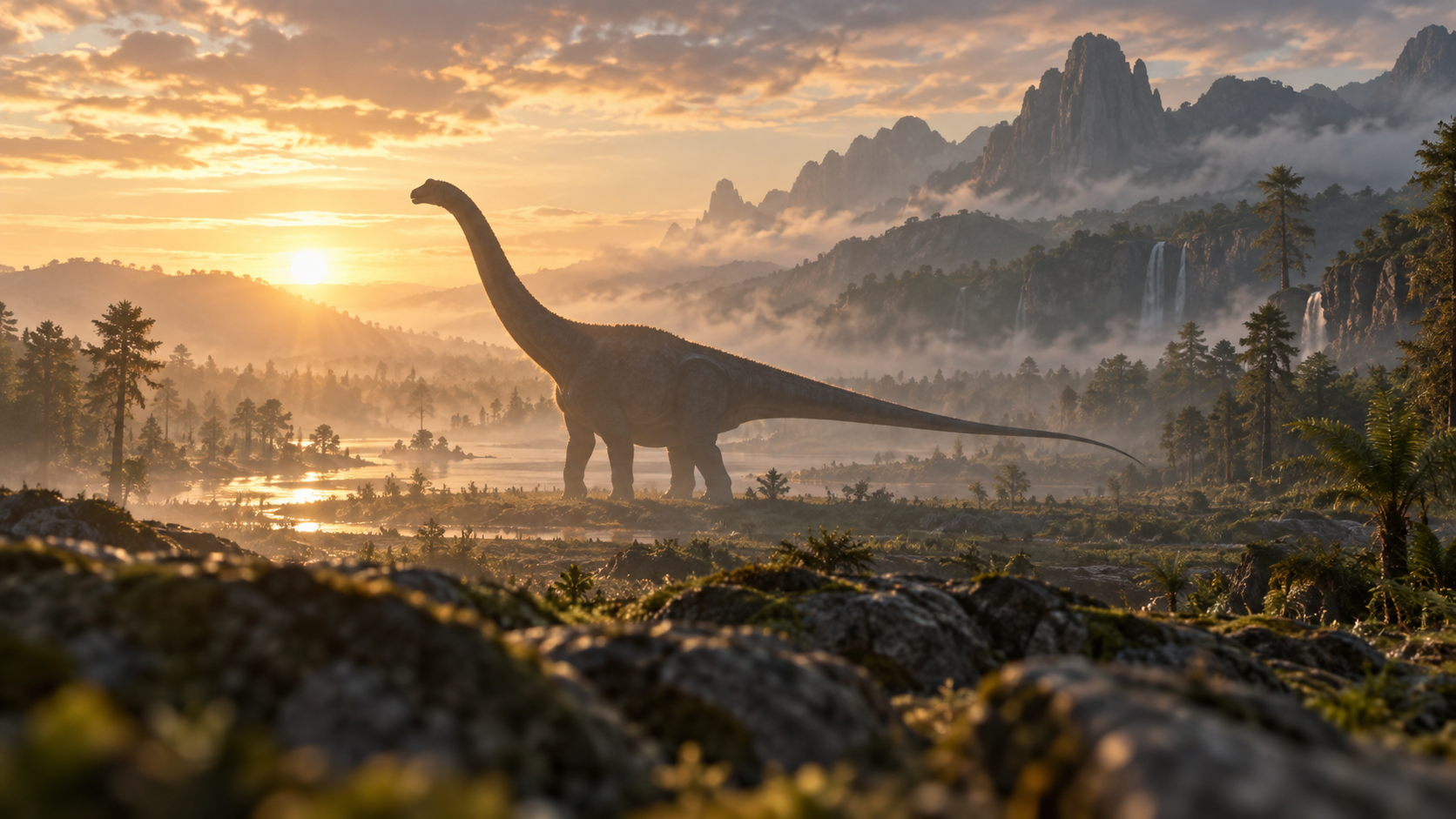
Original symbolic illustration of a long-necked dinosaur; not a particular species or newly discovered individual.Dinosaurs
Dinosaurs · 3 days ago

Long-Necked Dinosaurs: After the Crash Came Another Boom!

First their diversity plunged. Then it climbed again. Long-necked dinosaurs from the group Diplodocoidea tell a striking story across the Jurassic–Cretaceous transition. A new study places their later diversity peak in the Aptian of the Early Cretaceous. In sampling-adjusted estimates, it even exceeds the highest Late Jurassic values. But different long-necked dinosaurs are behind this second boom.

CheckedSource: DOI: 10.3897/fr.29.189225
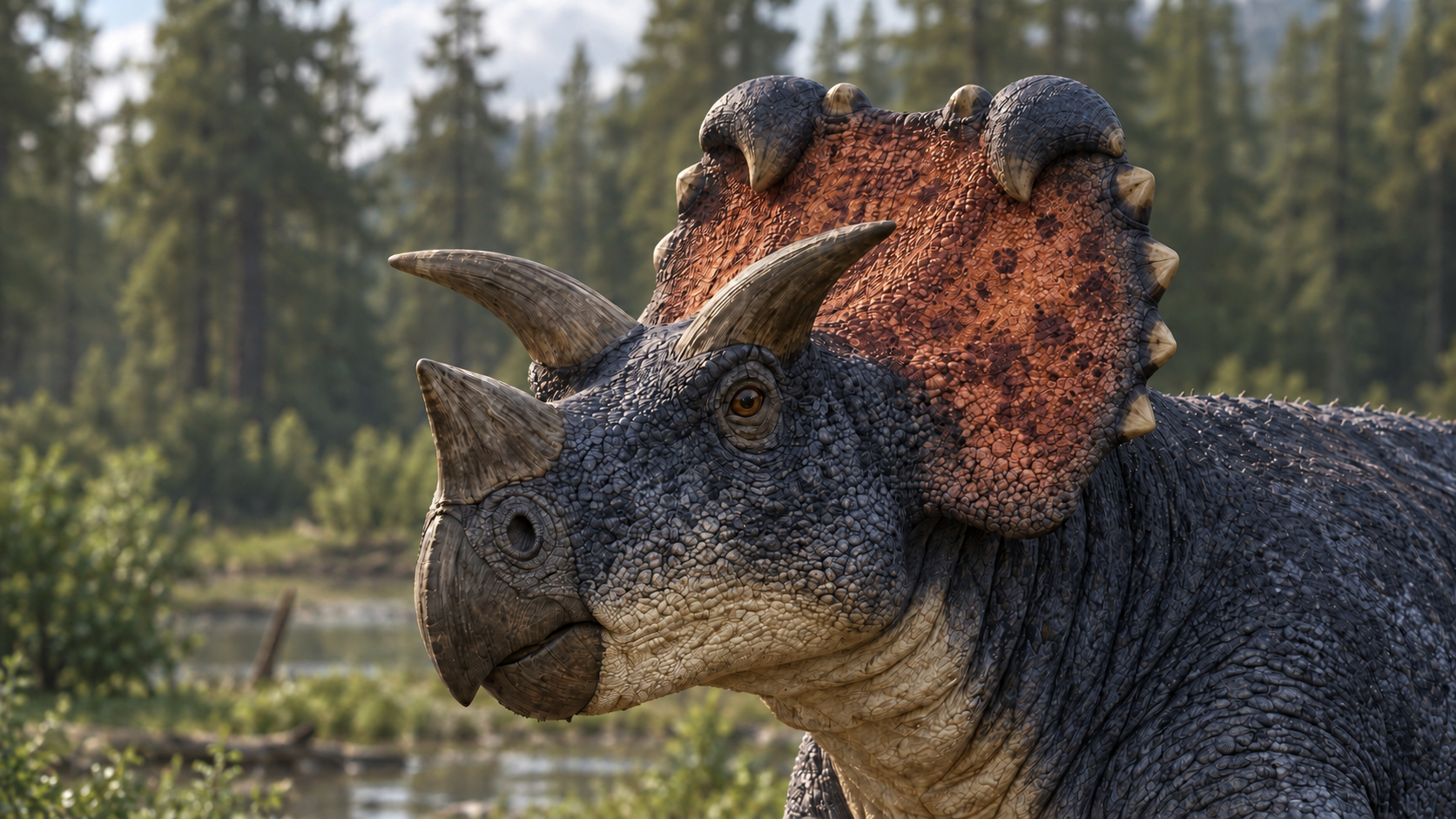
Medusaceratops lokii with corrected frill hooks. Copper red, indigo and ivory are a speculative colour design, not fossil-proven colours. AI life reconstruction; not the injured individual.Dinosaurs
Dinosaurs · 4 days ago

Medusaceratops: Pus in its bone – and it lived on!

Medusaceratops had pus draining from a bone in its tail. An injury had badly damaged the horned dinosaur, and infection ate into the vertebra. Yet its body kept responding, building a massive sheath of new bone. The Montana fossil shows that the dinosaur lived for a long time after the injury. The evidence is strikingly clear.

CheckedSource: A case of an expansile lesion in a caudal vertebra of Medusaceratops lokii
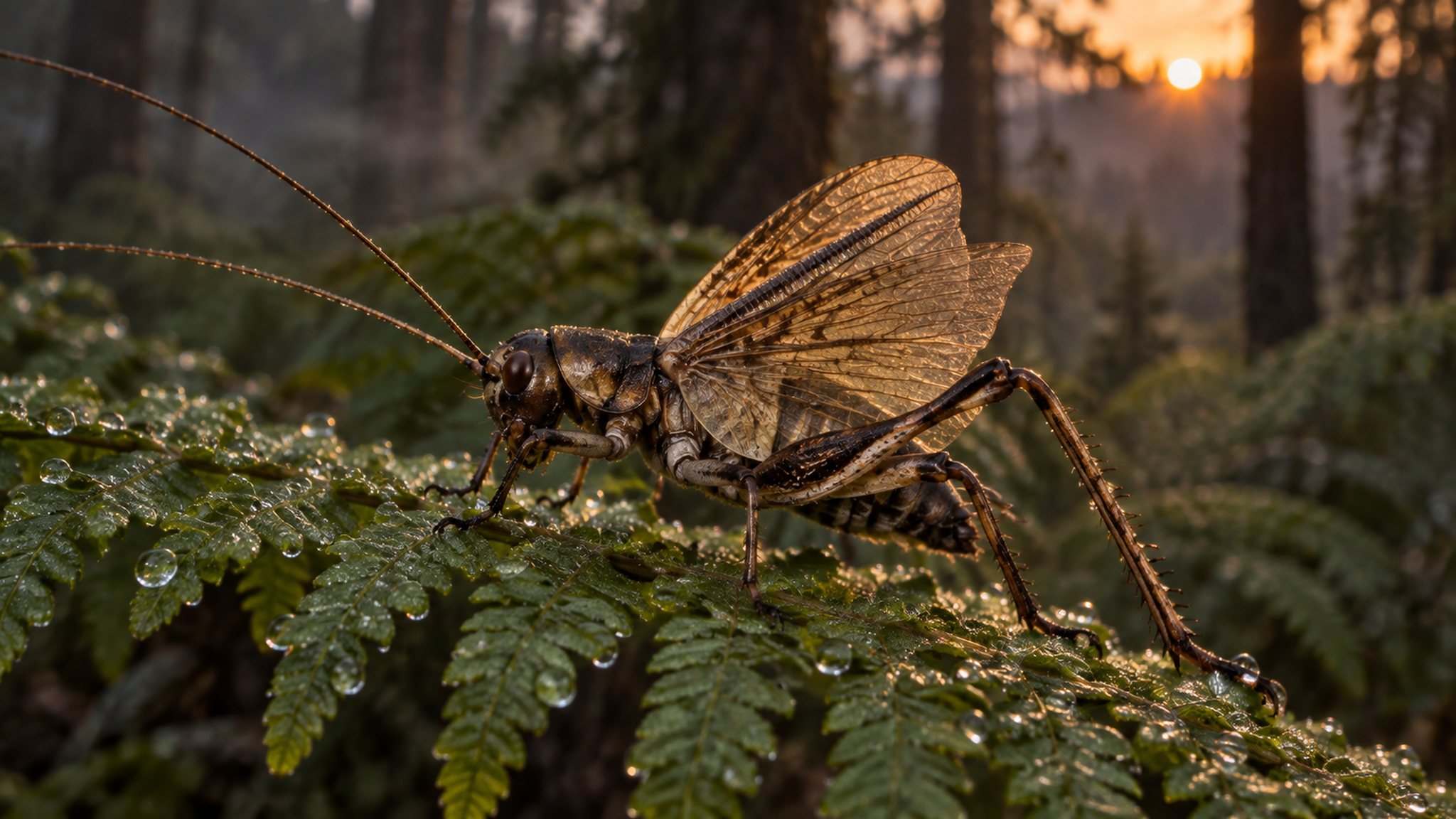
Photorealistic reconstruction of a Middle Jurassic long-horned orthopteran with raised forewings in forest undergrowth (illustration)Evolution
Evolution · 4 days ago

Jurassic Ultrasound: This Singer Beat the Bats

Ultrasound in the Jurassic, long before bats: an insect was already calling above 20 kilohertz. Researchers have reconstructed its call from fossils, uncovering a striking clue to the dangers of ancient insect song. A singer reaches unwanted listeners too: predators searching for prey. At the centre of the discovery are 20 fossils from China and one unusually high-pitched voice.

CheckedSource: Reconstruction of an extinct soundscape reveals ultrasonic communication in the Jurassic
Fossil teeth of the three known Rudiomys species from the late OligoceneFossil Finds
Fossil Finds · 4 Sept 2026

Two New Rudiomys Species from Montana

Fossils from Montana and new material from Oregon expand a little-known late Oligocene rodent genus and support a cautious interpretation of habitat specialisation.

CheckedSource: New material and two new species of the poorly known rodent Rudiomys (Aplodontiidae: Meniscomyinae) from the late Oligocene John Day Formation of Oregon and the Renova Formation of Montana
Fossil bones and bird-like footprints of Cretaceous birds from Late Cretaceous MexicoDinosaurs
Dinosaurs · 4 Sept 2026

Cretaceous Birds in Mexico: Why Tracks Are Not Species

Bones and bird-like tracks document a recurring presence in Late Cretaceous Mexico, but footprints alone cannot securely identify biological species.

CheckedSource: Review of Cretaceous Avian Dinosaurs from Mexico: Current Knowledge and Future Perspectives