Fossil Finds
Worldwide
24 articles · Page 2 / 2 · All sections in the archive
 Fossil Finds
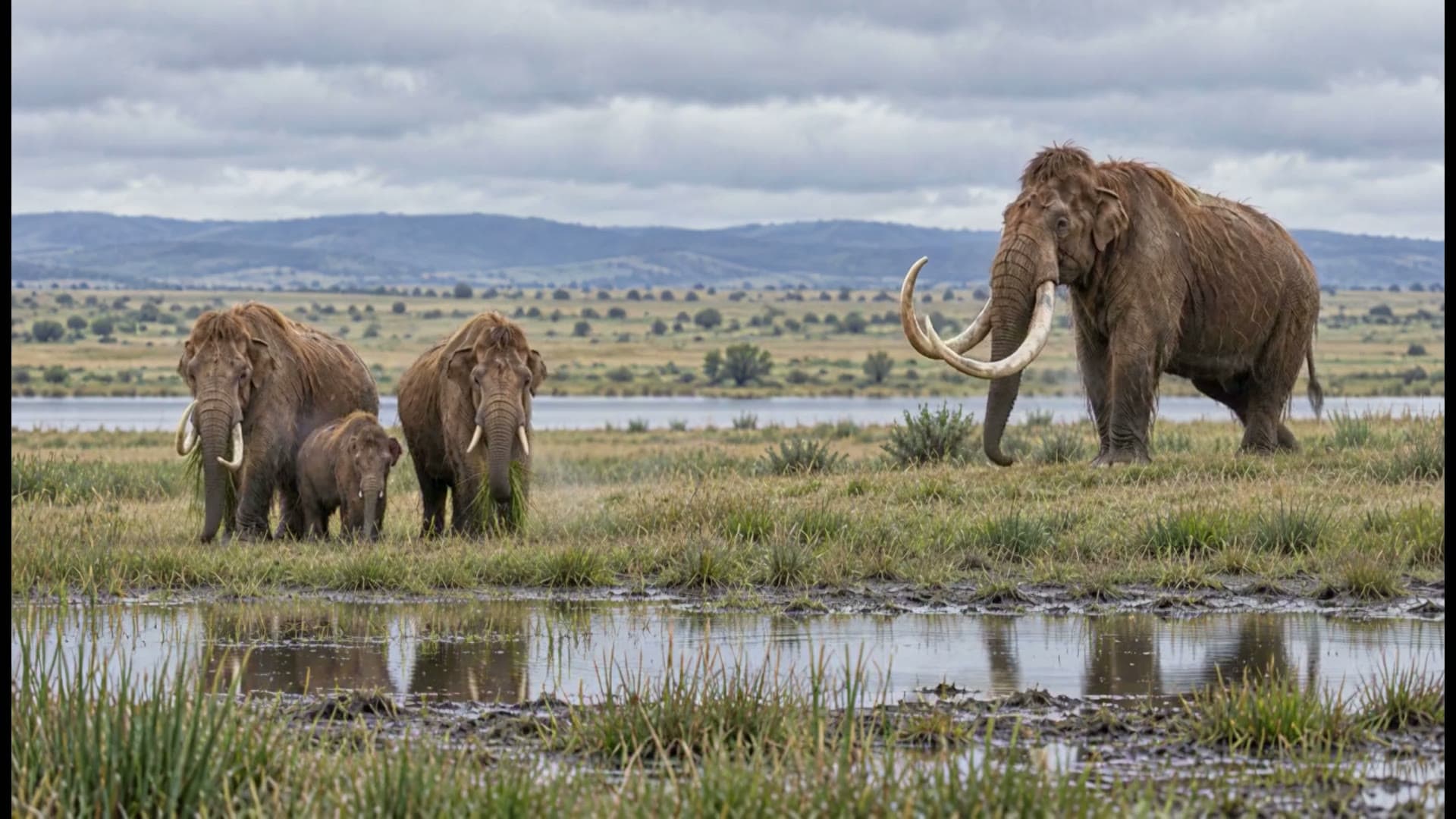
Late Pleistocene · 5 Oct 2026At Blackwater Draw near Clovis, New Mexico, spear points lay directly among mammoth bones – the first clear proof that people in the Americas hunted mammoths. Our time-travel episode shows one day at the lake of the last mammoths. Here is what is documented and what remains reconstruction.
 Fossil Finds
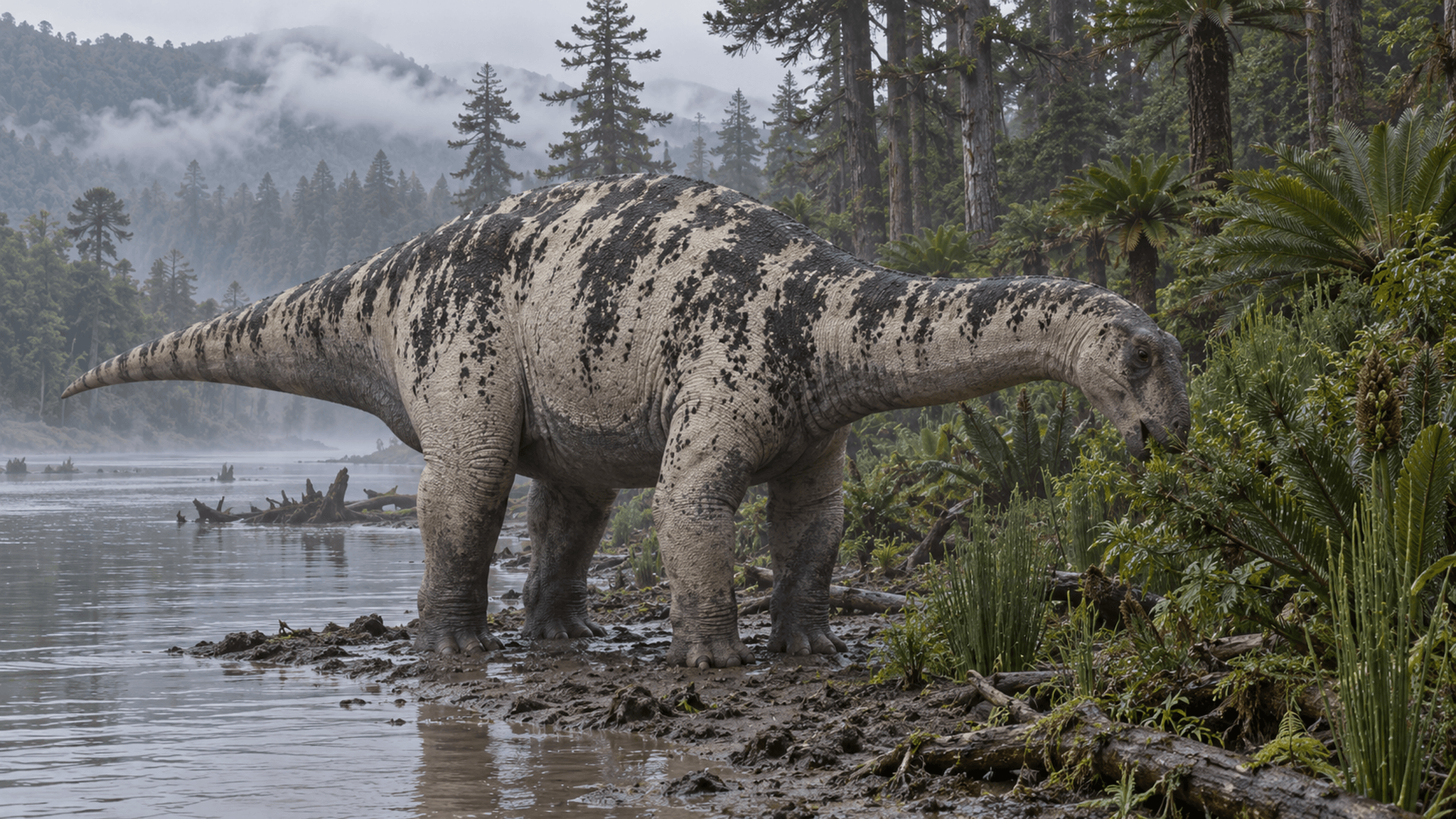
 · 5 Oct 2026A long-necked dinosaur stretches towards fresh branches as the riverbank mud gives way beneath its weight. This scene unfolded in Thailand at least 20 million years later than previously thought. New measurements from tiny crystals date the Nam Phong Formation on the Khorat Plateau to around 190 million years ago, rewriting the entire history of dinosaurs in Thailand.
 Fossil Finds
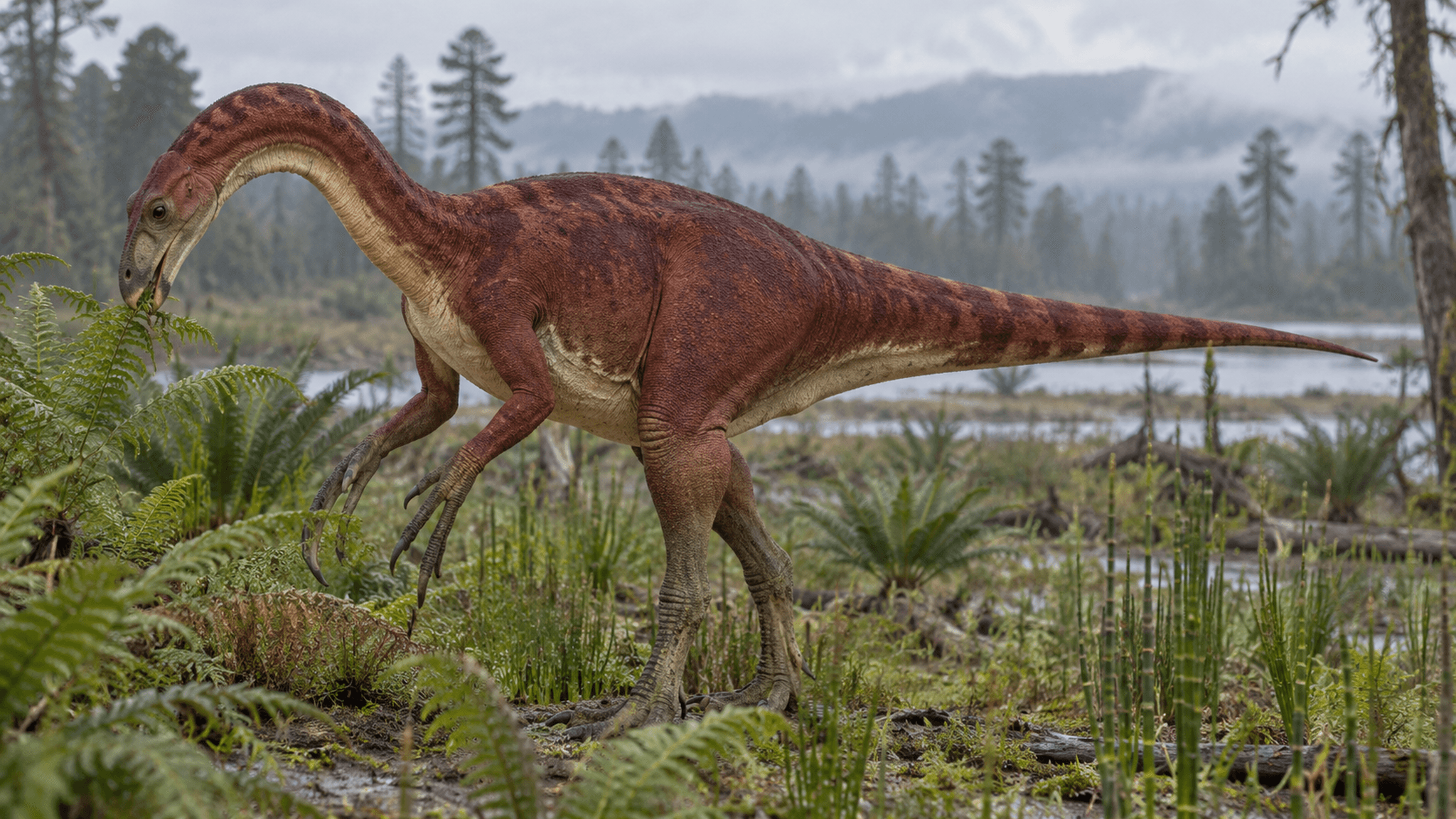
 · 5 Oct 2026Replacement teeth lay hidden for years inside the upper jaw of *Geminiraptor suarezarum*. Only a look inside the bone revealed the powerful, lance-shaped teeth. North America has therefore lost its only known bird-like troodontid from the Early Cretaceous: the Utah fossil belongs to the therizinosaurs, relatives of predatory dinosaurs with a taste for plants, and is now called *Falcarius suarezarum*.
 Fossil Finds
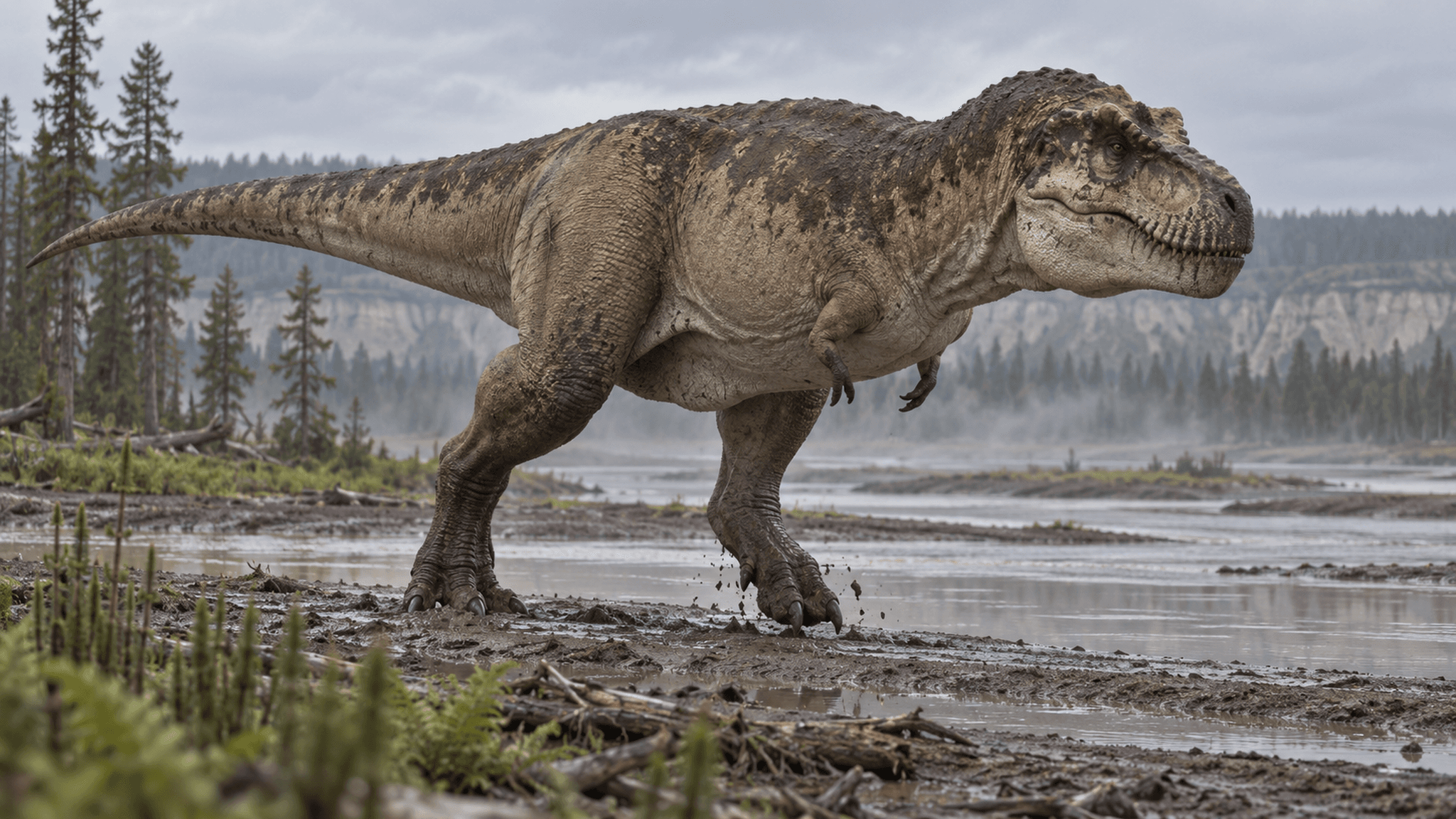
 · 4 Oct 2026A crack across the rib, surrounded by a bulge of fresh bone: when the Tyrannosaurus “Scotty” died, his body was still repairing the break. Fine tubes of fool’s gold run through this T. rex rib from Saskatchewan, Canada. Their shape and position suggest they are casts of blood vessels that grew as the fracture healed.
 Fossil Finds
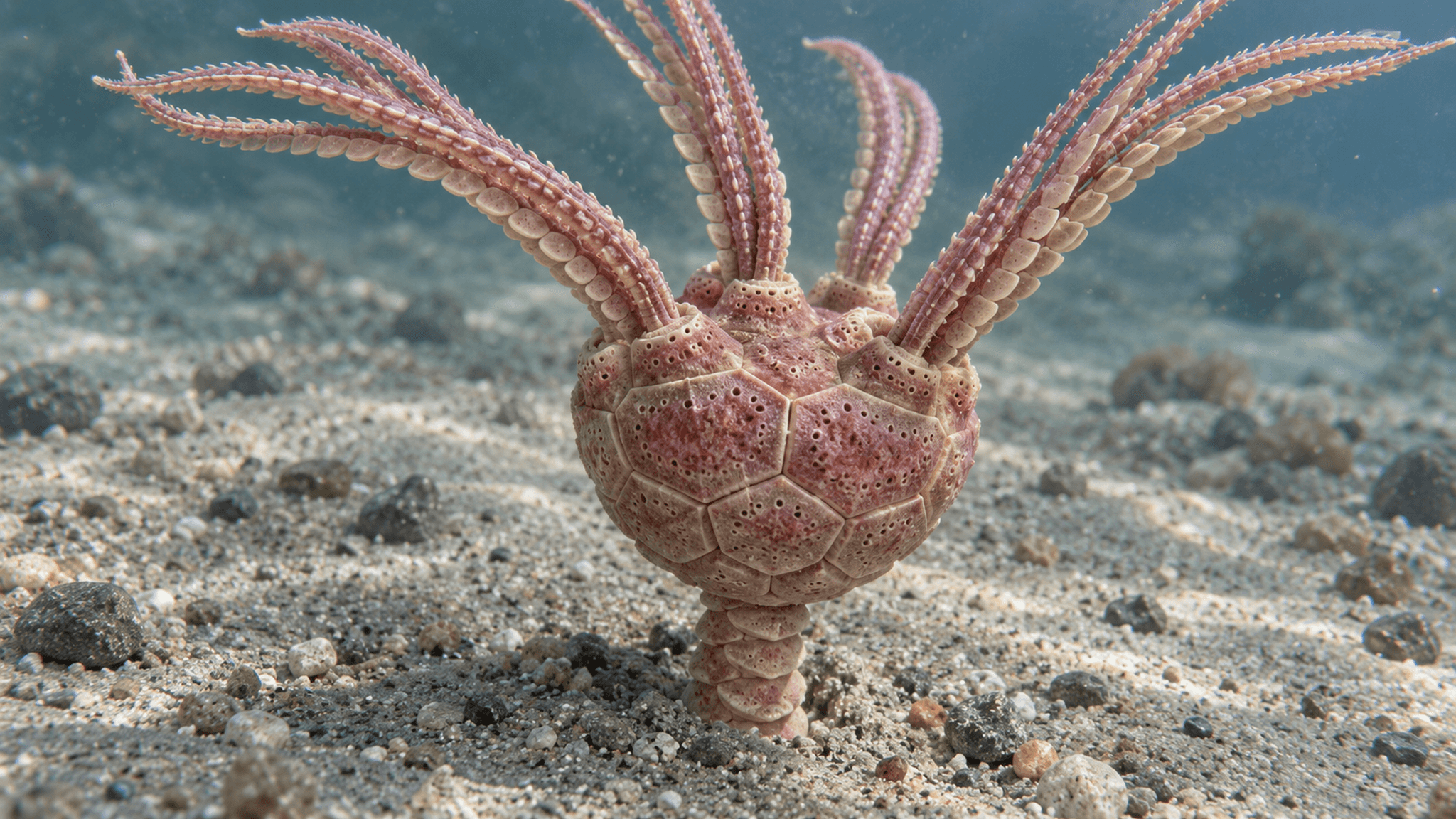
 · 30 Sept 2026A record-breaking find from Morocco: researchers have described the oldest echinoderm yet known from Africa. *Atlaseocrinus issafenensis* lived around 520 million years ago, just as this group of animals first appeared in the fossil record. The newcomer also shakes things up in Spain: a species described there in 2004 loses its former genus, all because of a single plate at the base of its body.
 Fossil Finds
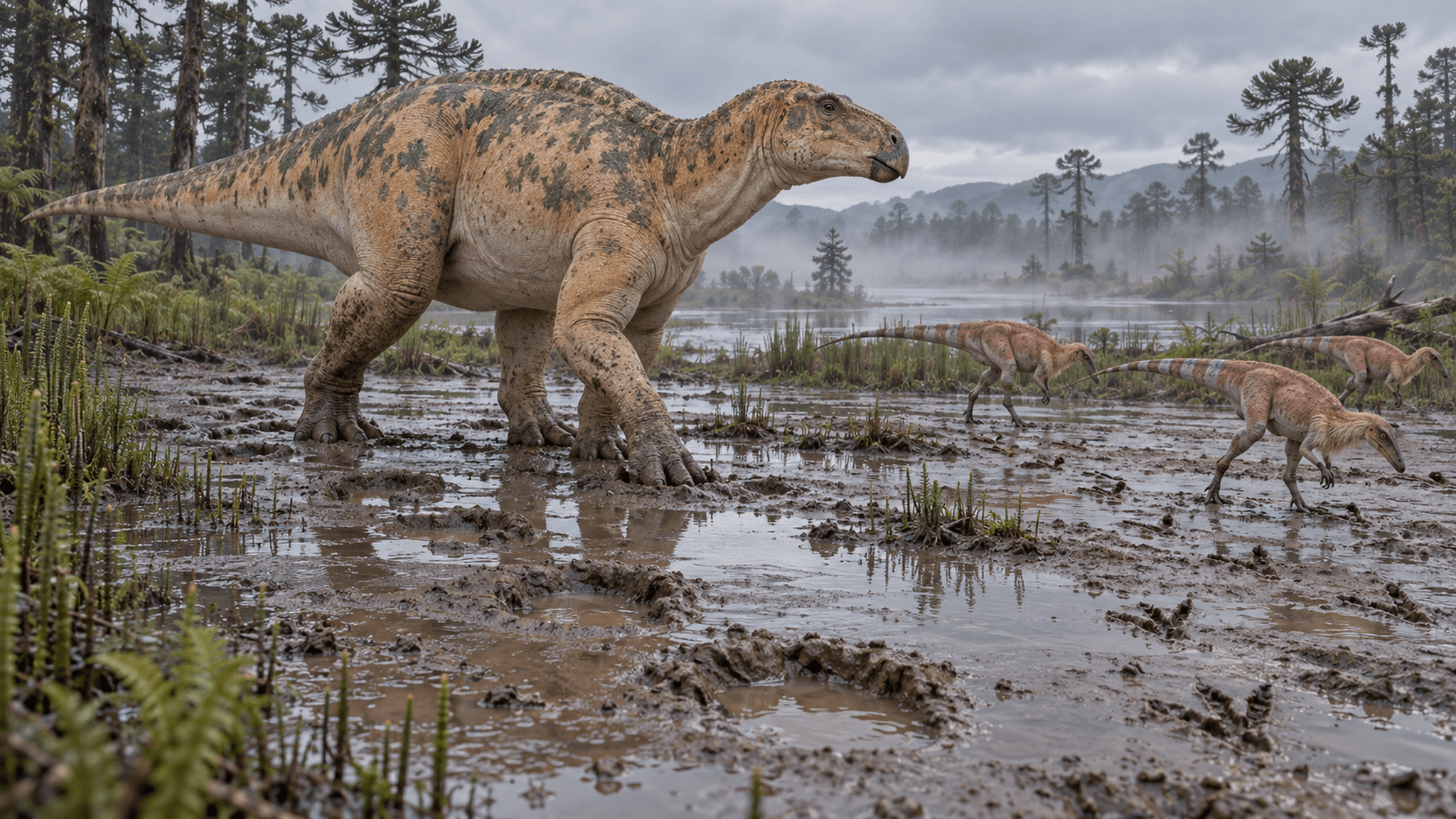
 · 30 Sept 2026A large herbivore and several smaller predatory dinosaurs left their footprints within a confined area, probably at around the same time. These dinosaur tracks from the Middle Jurassic of Yorkshire are a rare case. The region is packed with trackways, but evidence of different species moving through the same place at the same time is much harder to find there.
 Fossil Finds
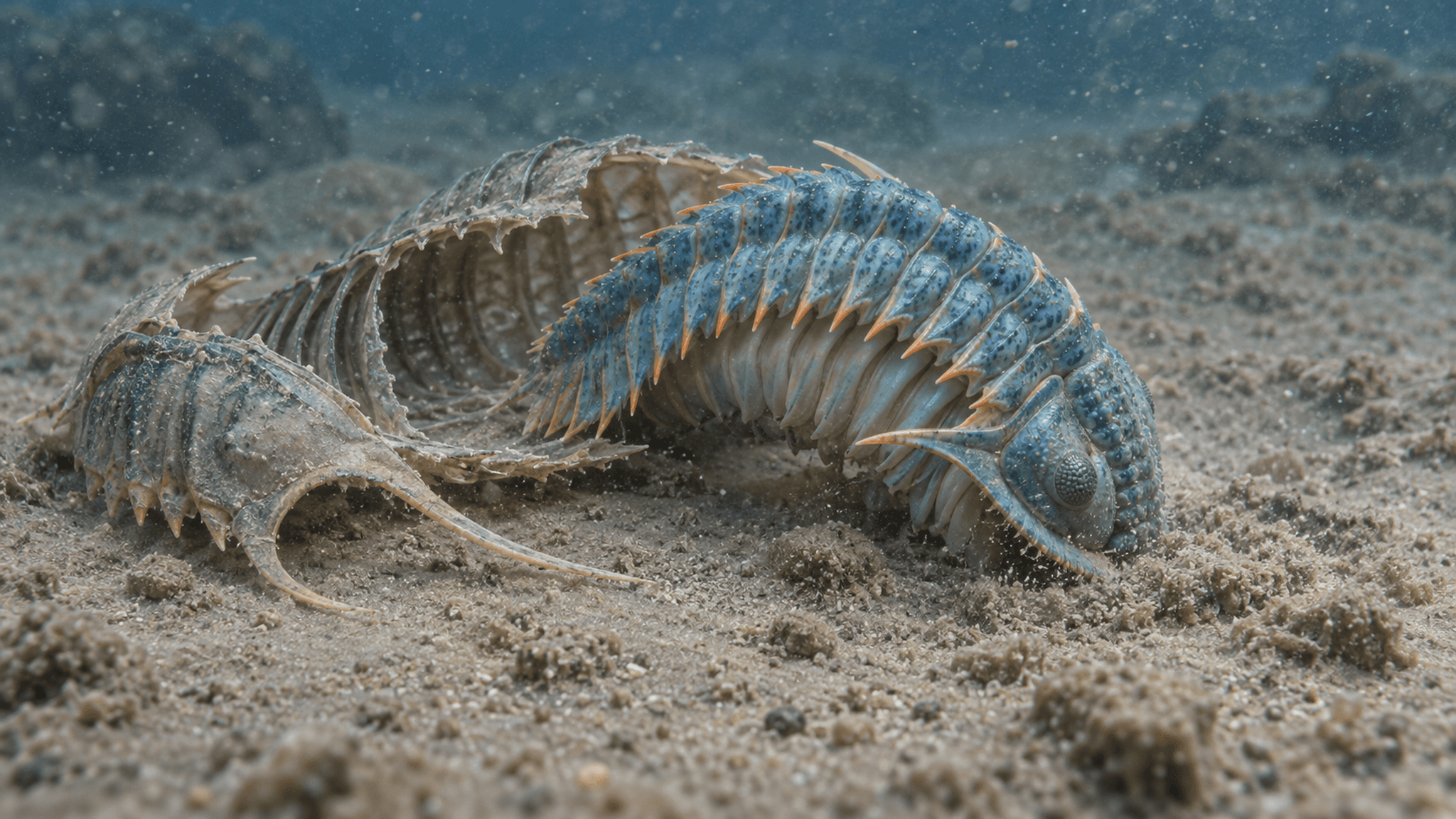
 · 28 Sept 2026Eleven fossils from the Burgess Shale reveal a pattern of damage rarely seen in trilobites: bent and injured cheek spines on the head shield. In the Cambrian trilobite *Olenoides serratus*, such deformities occur more often than in other trilobites. The cause may lie in trilobite moulting, when the animal had to press its head into the seabed.
 Fossil Finds
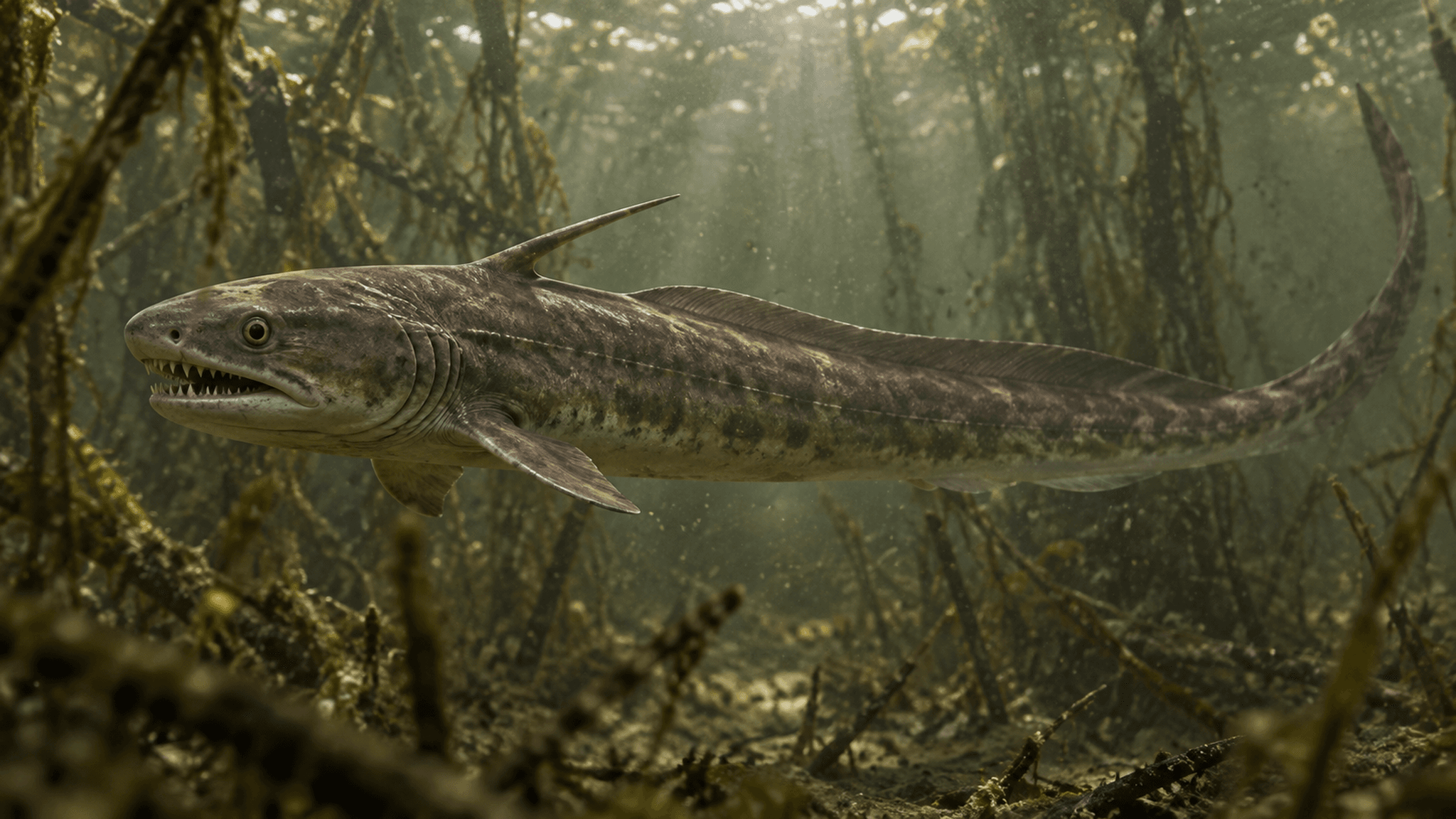
 · 24 Sept 2026Shark cartilage normally rots long before it can fossilise, yet three fragments from Arizona and Texas have survived for around 220 million years. A mosaic of polygonal mineral tiles gave them away, a hallmark of the calcified cartilage found in sharks and their relatives. This is the first evidence of such cartilage from the Upper Triassic of the western United States.
 Fossil Finds
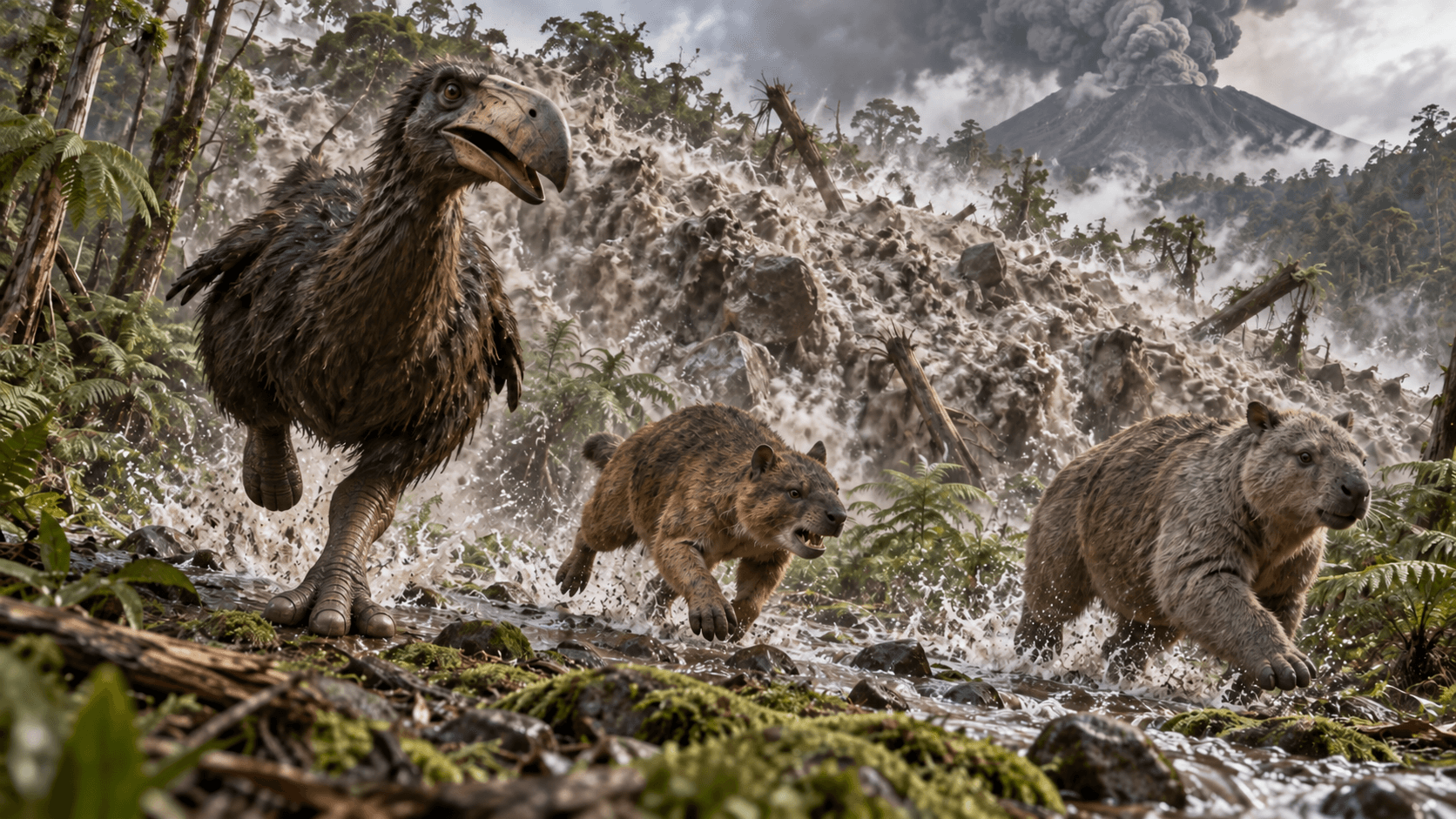
 · 14 Sept 2026Fossil wood from Queensland has a new name: *Scalarixylon lahar*. The species comes from Oligocene volcanic deposits near Maidenwell in the south-east of the Australian state. Its wood bears a pattern also seen in fossil protea-family wood from South America. The vegetation at the site grew under permanently moist conditions and was dominated by rainforest plants. One big question remains: which living genus does it belong to?
 Fossil Finds
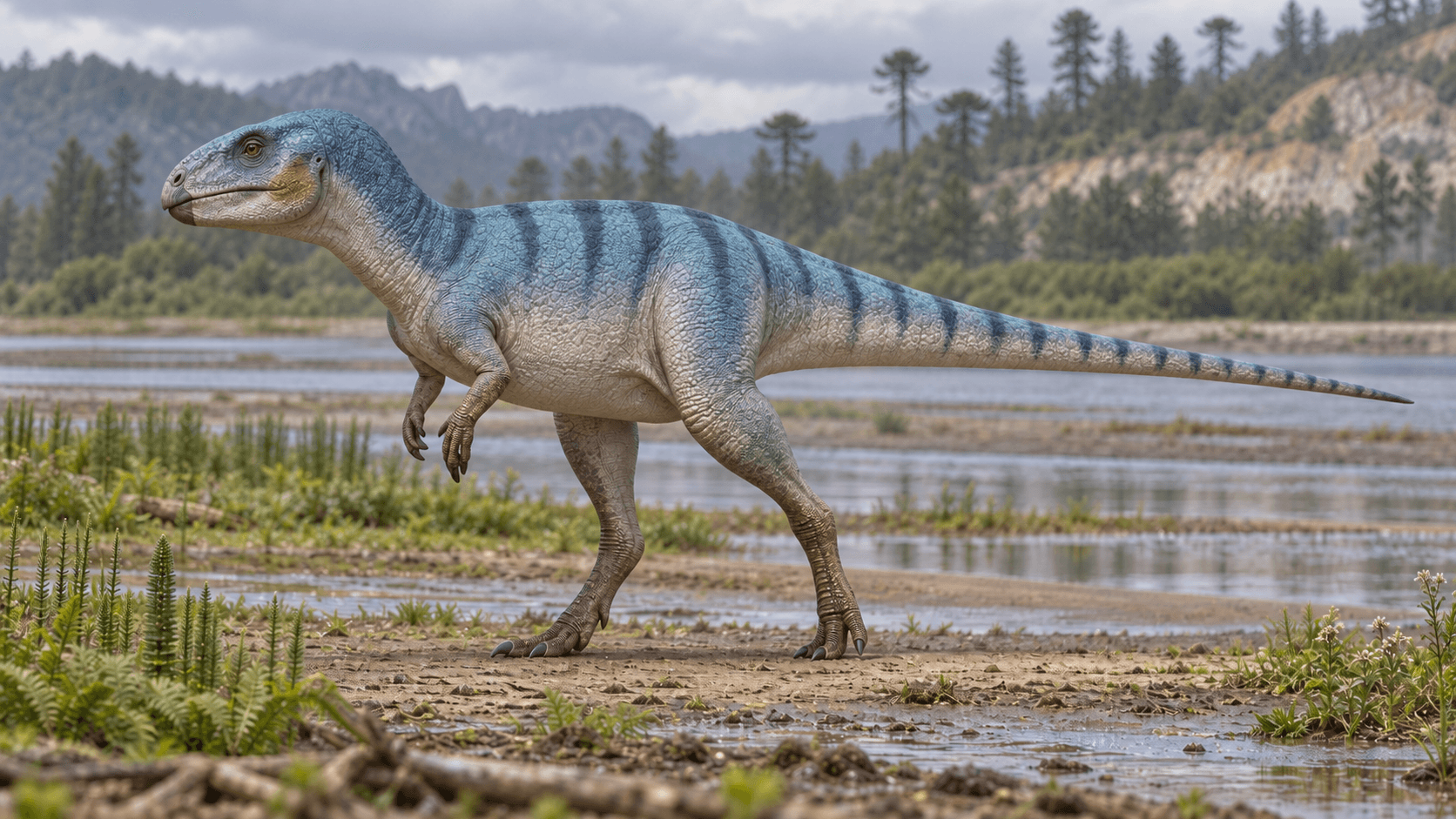
 · 13 Sept 2026A tunnel pierces the shell of a Cretaceous turtle. Nearby, feeding traces on dinosaur bones point to three suspects: probably termites, hide beetles and multituberculates, an extinct group of mammals. Six forms of pits, tunnels and grooves turn the bones from Romania’s Haţeg Basin into a case file on what happened after death.
 Fossil Finds
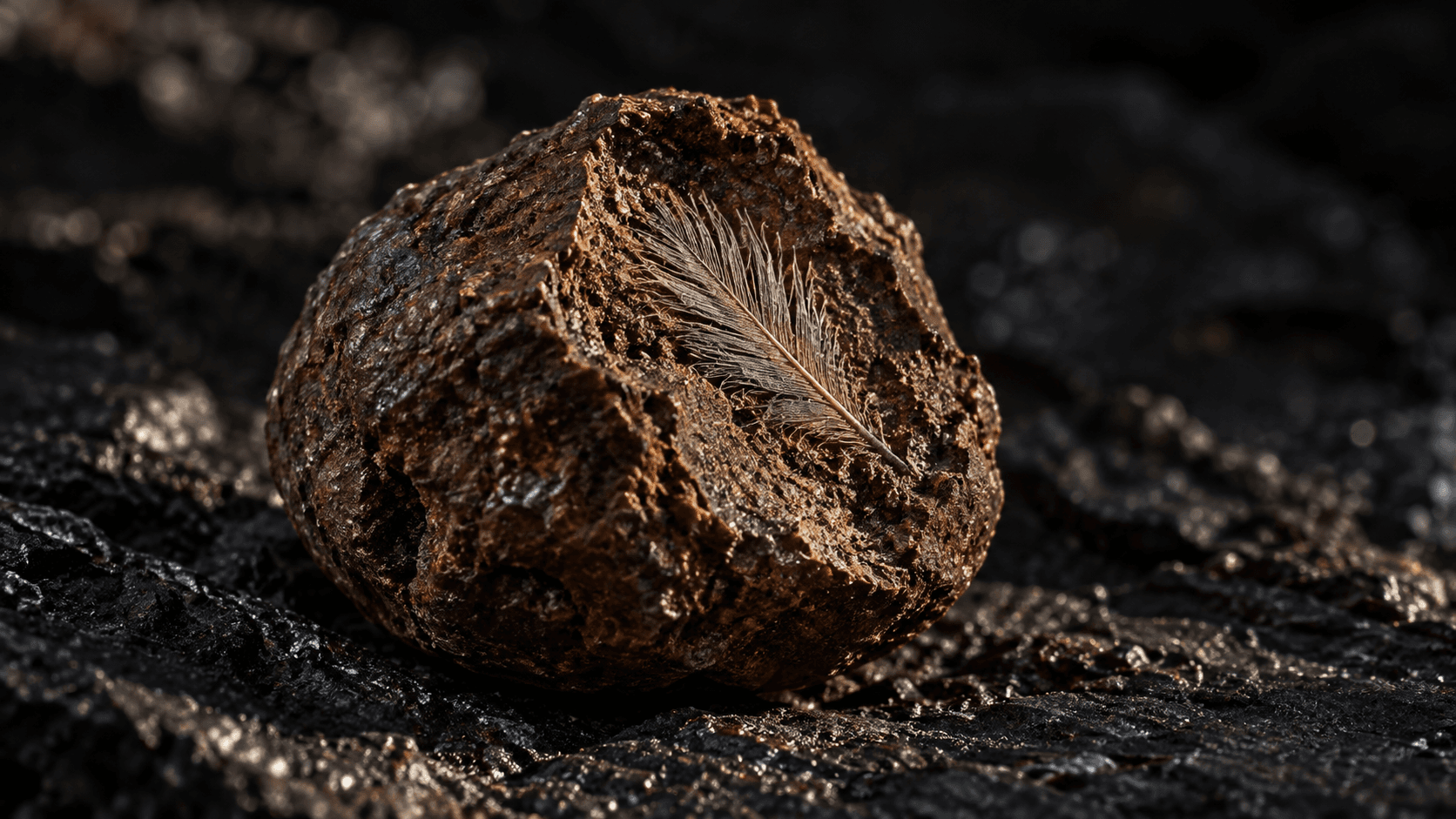
 · 12 Sept 2026Feathers in dinosaur poop have put researchers on an unexpected trail: an unassuming lump from Montana preserves bird remains from around 66 million years ago. A tiny feather sits on the surface, with more feathers, scales and bones hidden inside. The find records a meal – and could help explain why some bird groups survived the mass extinction while others vanished.
 Fossil Finds
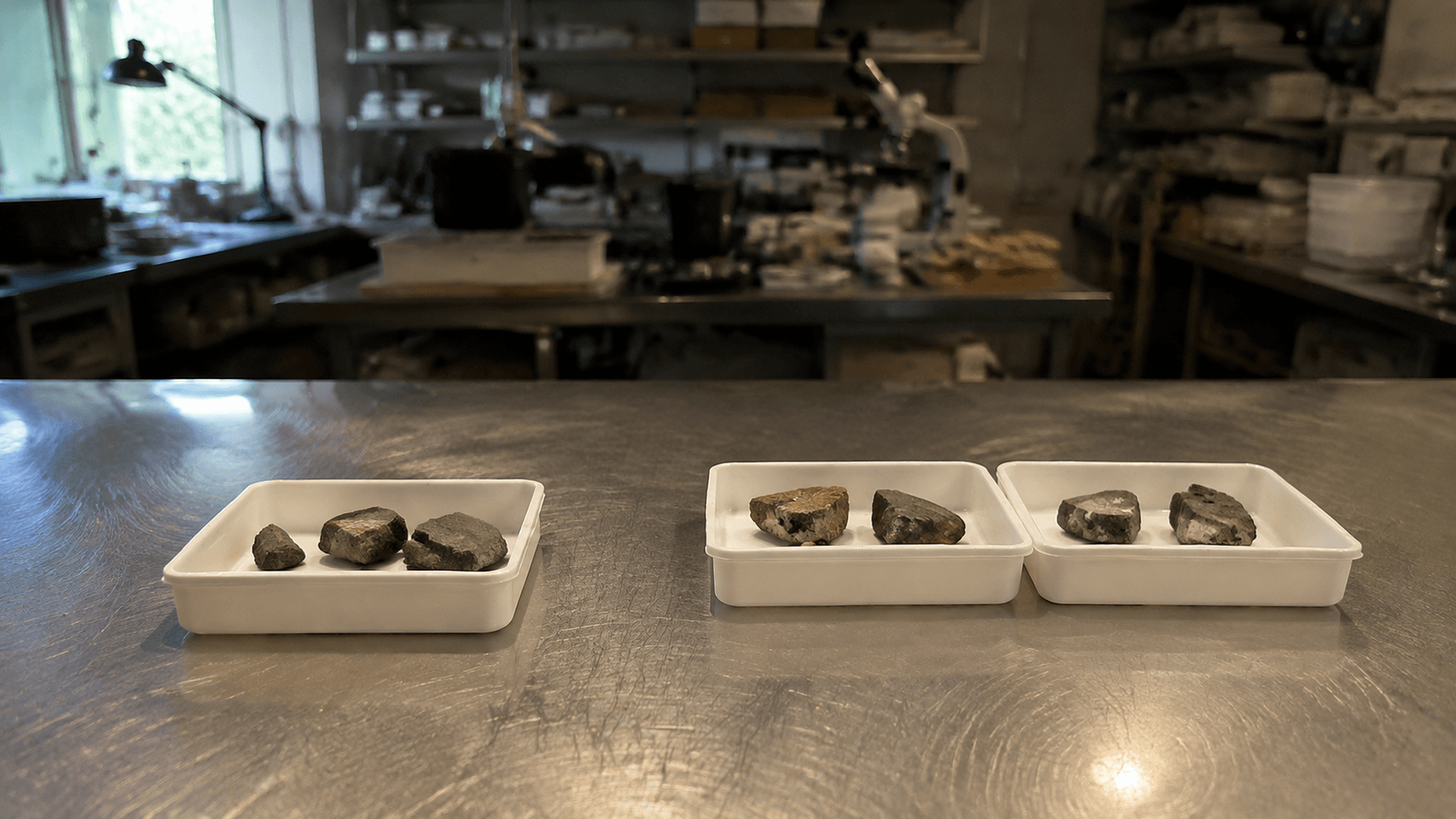
 · 4 Sept 2026Fossils from Montana and new material from Oregon expand a little-known late Oligocene rodent genus and support a cautious interpretation of habitat specialisation.
