66,000,000 years ago today · Cretaceous–Paleogene boundarySaturday, 31 October 2026 · Strictly scientific. Always sourced.
Latest
Footprints from Italy: crocodile and dinosaur relatives were already around before the mass extinctionHole in the shoulder blade: a new Neanderthal from Shanidar CaveAncient coral from North Carolina turns out to be a precious coralResearchers assign Greenland fossils to a Siberian spiny fish

Search & archive

Search headlines and article text. Leave the search field empty to browse every article, newest first.

57 articles · Page 5 / 5
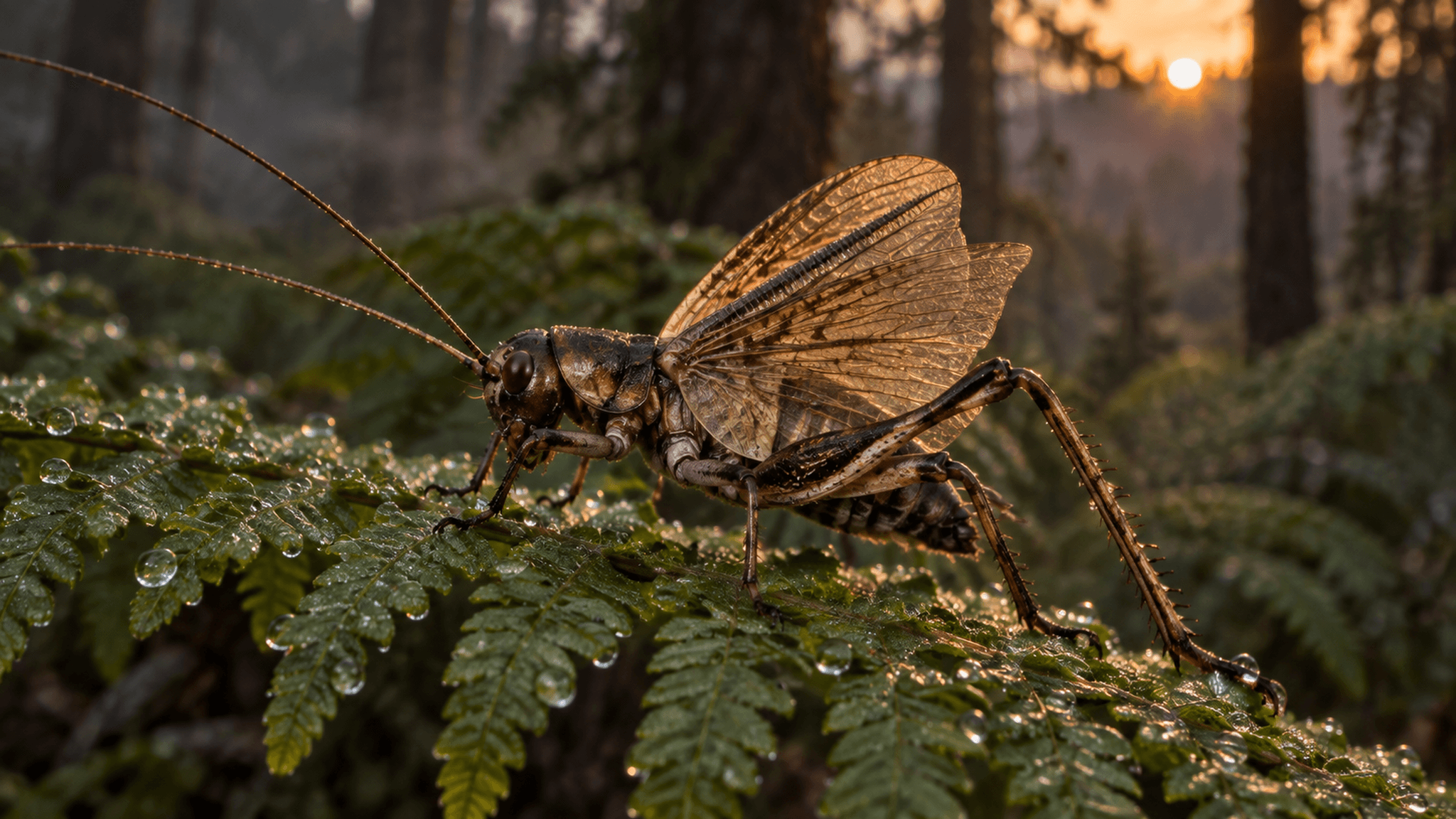
Photorealistic reconstruction of a Middle Jurassic long-horned orthopteran with raised forewings in forest undergrowth (illustration)Evolution
Evolution · 11 Sept 2026

Jurassic Ultrasound: This Singer Beat the Bats

Ultrasound in the Jurassic, long before bats: an insect was already calling above 20 kilohertz. Researchers have reconstructed its call from fossils, uncovering a striking clue to the dangers of ancient insect song. A singer reaches unwanted listeners too: predators searching for prey. At the centre of the discovery are 20 fossils from China and one unusually high-pitched voice.
CheckedSource: Reconstruction of an extinct soundscape reveals ultrasonic communication in the Jurassic
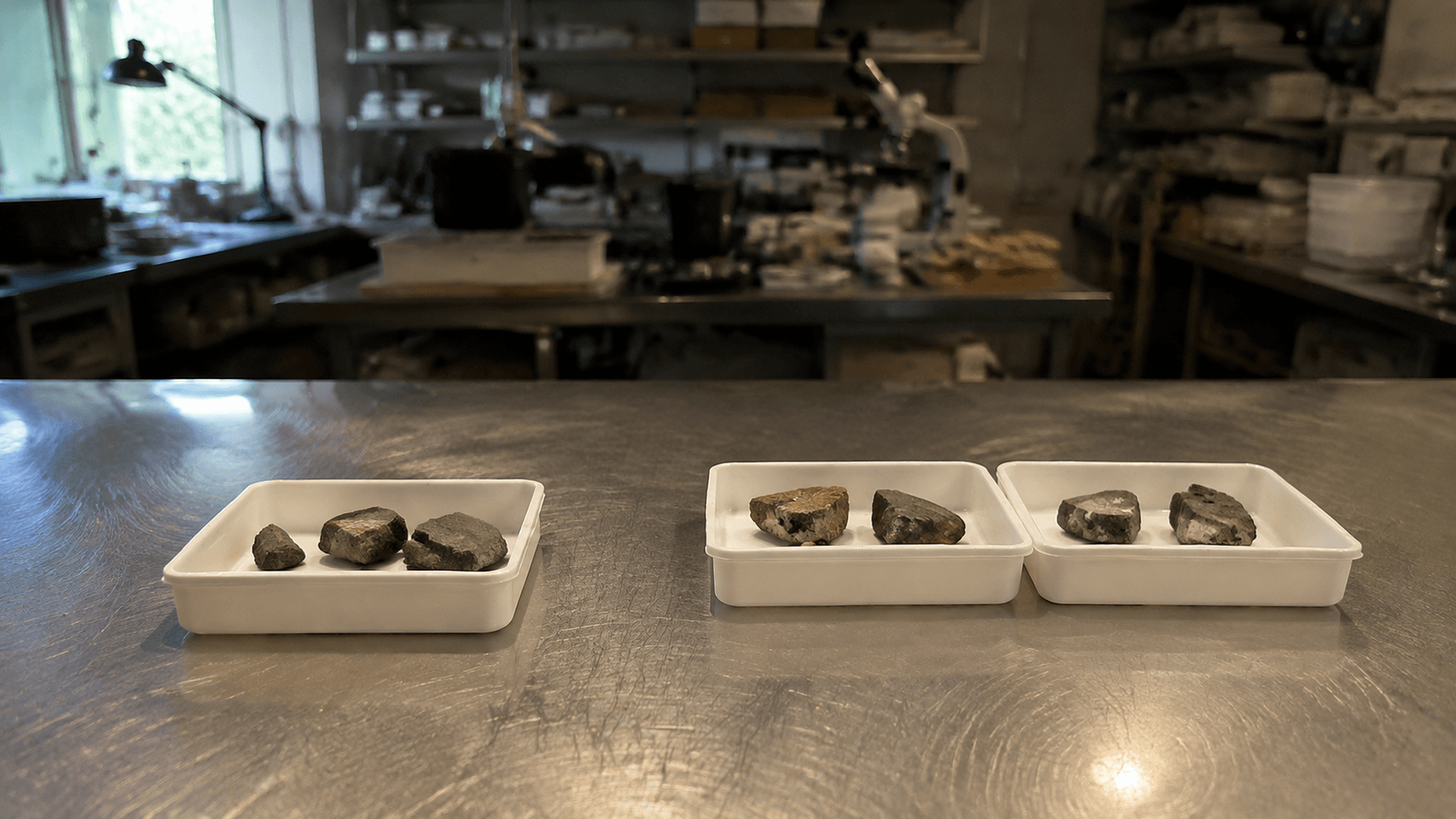
Fossil teeth of the three known Rudiomys species from the late OligoceneFossil Finds
Fossil Finds · 4 Sept 2026

Two New Rudiomys Species from Montana

Fossils from Montana and new material from Oregon expand a little-known late Oligocene rodent genus and support a cautious interpretation of habitat specialisation.
CheckedSource: New material and two new species of the poorly known rodent Rudiomys (Aplodontiidae: Meniscomyinae) from the late Oligocene John Day Formation of Oregon and the Renova Formation of Montana
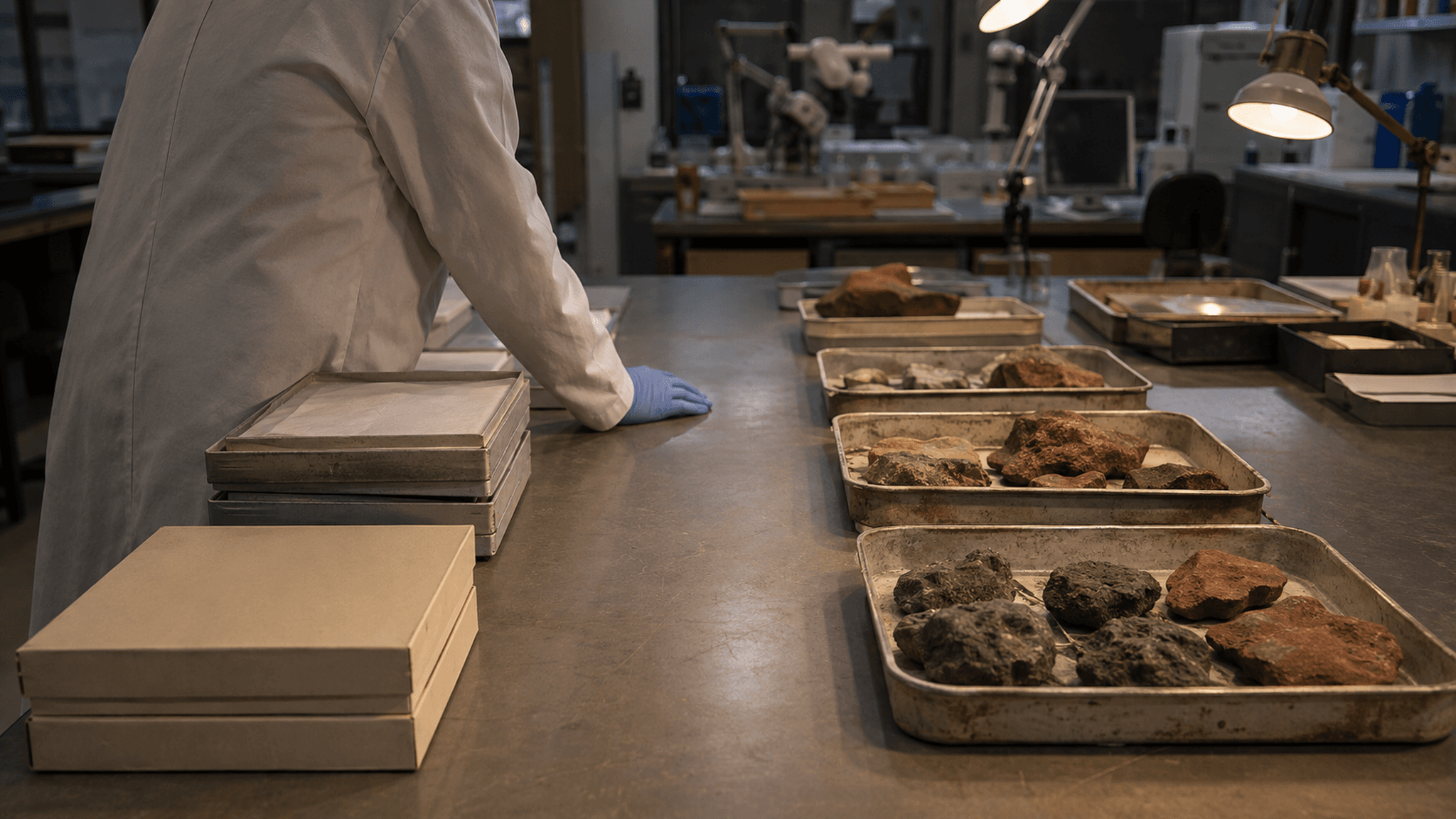
Fossil bones and bird-like footprints of Cretaceous birds from Late Cretaceous MexicoDinosaurs
Dinosaurs · 4 Sept 2026

Cretaceous Birds in Mexico: Why Tracks Are Not Species

Bones and bird-like tracks document a recurring presence in Late Cretaceous Mexico, but footprints alone cannot securely identify biological species.
CheckedSource: Review of Cretaceous Avian Dinosaurs from Mexico: Current Knowledge and Future Perspectives
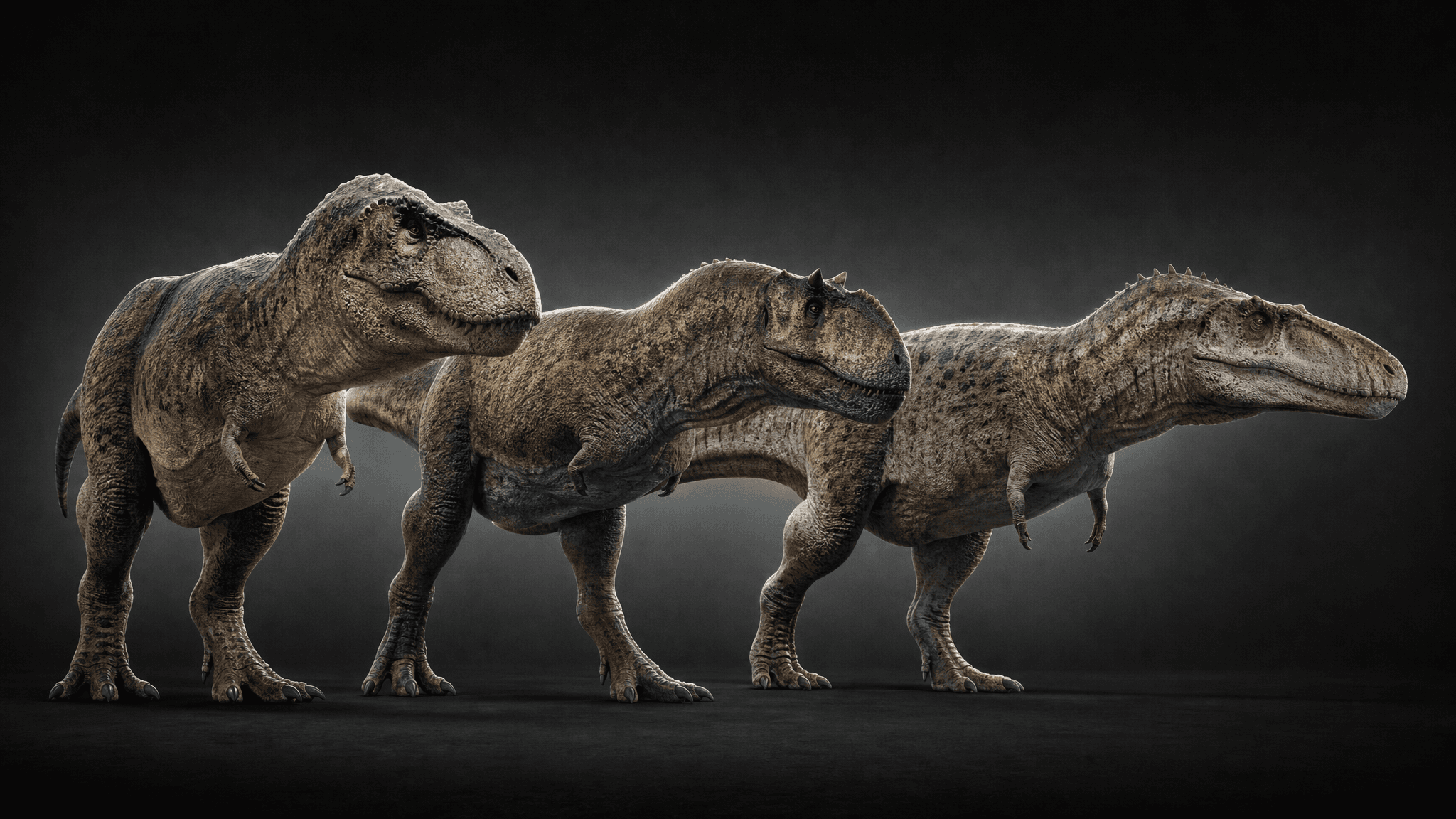
Forelimb reduction compared across giant theropod dinosaurs with robust skullsDinosaurs
Mesozoikum · 14 Jun 2026

The Small Arms Were Not Unique to T. rex

A new Proceedings B study reveals a broader pattern: in at least five theropod lineages, reduced forelimbs were associated with more robust skulls and gigantic body size.
CheckedSource: Wissenschaftliches Paper: Konvergente Vorderarmreduktion bei nicht-vogelartigen Theropoden
Doolysaurus huhmini reconstruction based on Korea's first studied dinosaur skull remainsDinosaurs
Mittlere Kreidezeit · 14 Jun 2026

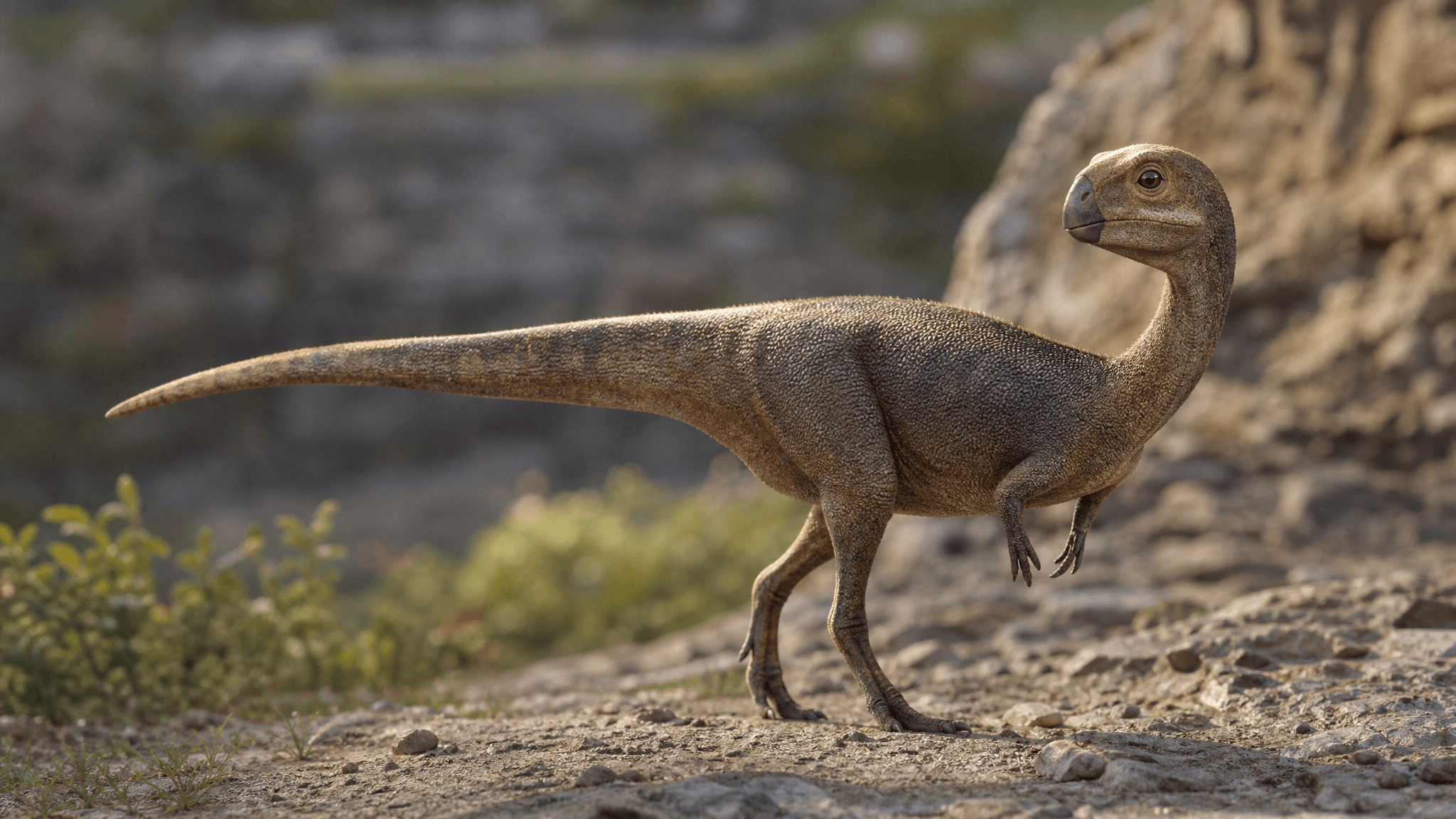
Korea's New Dinosaur Has a Face

Doolysaurus huhmini is small, probably young and scientifically significant: the new paper describes the first studied dinosaur skull remains from Korea.
CheckedSource: Wissenschaftliches Paper: A new dinosaur species from Korea and its implications for early-diverging neornithischian diversity
Artistic reconstruction of the Middle Jurassic theropod Yuanmouraptor jinshajiangensis from Yunnan, ChinaDinosaurs
Mittlerer Jura · 14 Jun 2026

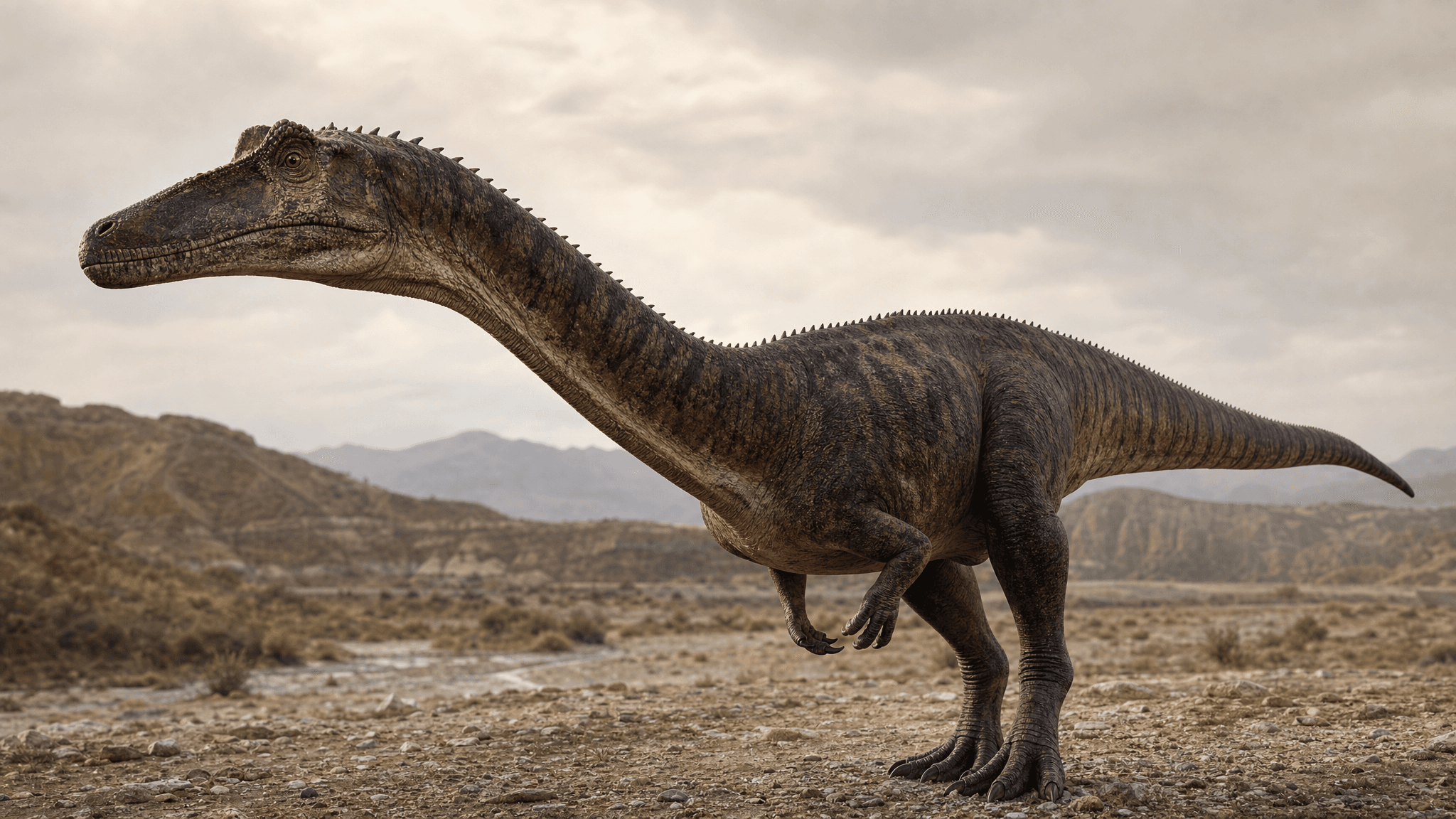
A new predator from Yunnan sharpens our view of the Middle Jurassic

Yuanmouraptor jinshajiangensis is a new metriacanthosaurid from China. Its skull and cervical vertebrae help us better understand a poorly documented early phase of these theropods.
CheckedSource: Wissenschaftliches Paper: A new metriacanthosaurid theropod dinosaur from the Middle Jurassic of Yunnan Province, China
Artistic approximation of Nagatitan chaiyaphumensis, a large Lower Cretaceous sauropod from ThailandDinosaurs
Unterkreide · Aptium/Albium · 14 Jun 2026

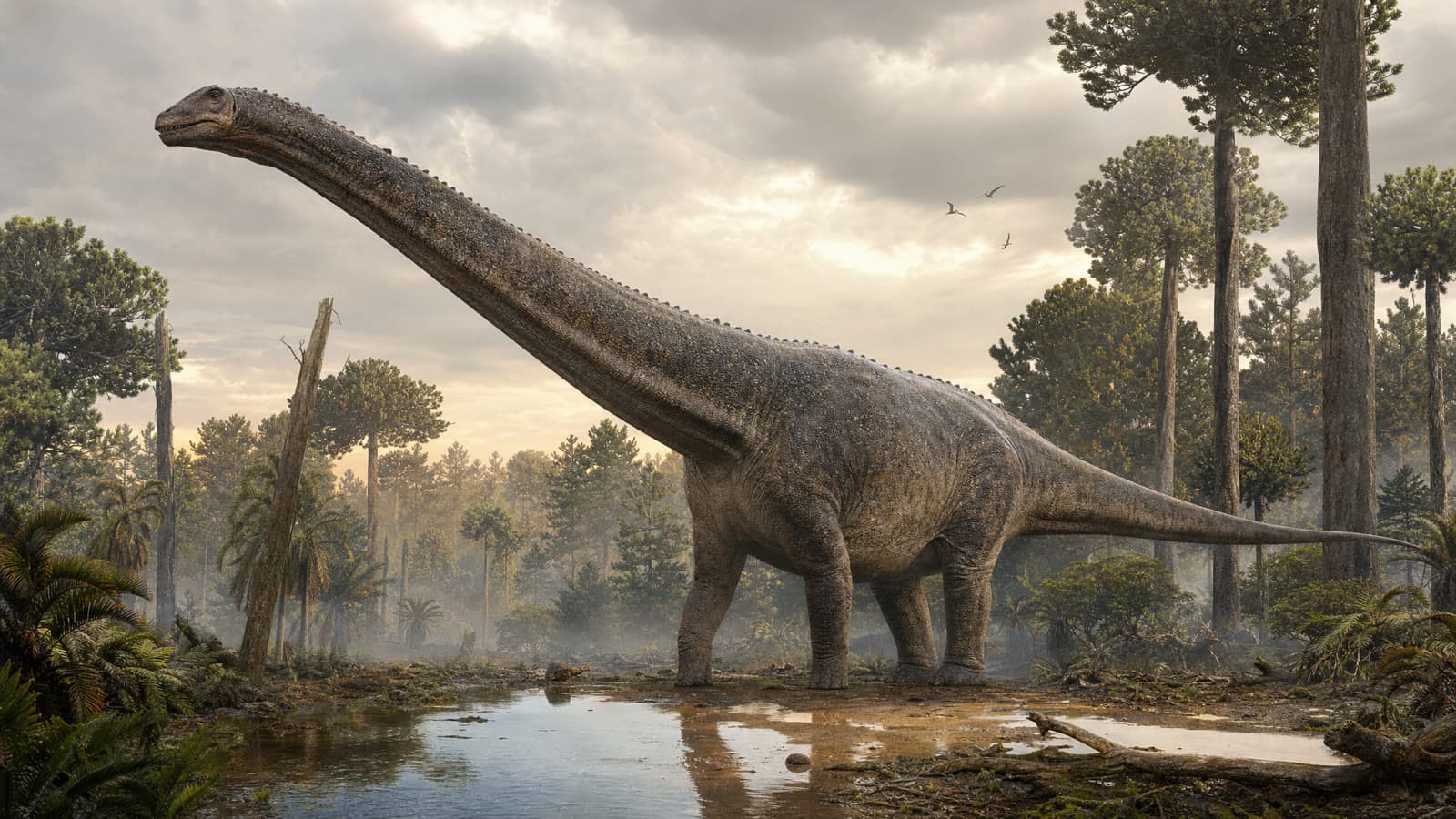
Nagatitan: Thailand’s new “last titan” may have weighed up to 28 tonnes

A new study describes *Nagatitan chaiyaphumensis* from the Lower Cretaceous of Thailand. The find expands our picture of Southeast Asian sauropods—and shows how large some titanosauriforms there became.
CheckedSource: Wissenschaftliches Paper: The first sauropod dinosaur from the Lower Cretaceous Khok Kruat Formation of Thailand enriches the diversity of somphospondylan titanosauriforms in southeast Asia
Juvenile or subadult Tarbosaurus bataar in a Late Cretaceous Asian landscape, shown as an artistic AI reconstructionDinosaurs
Kreidezeit · vor ca. 70 Mio. Jahren · 14 Jun 2026

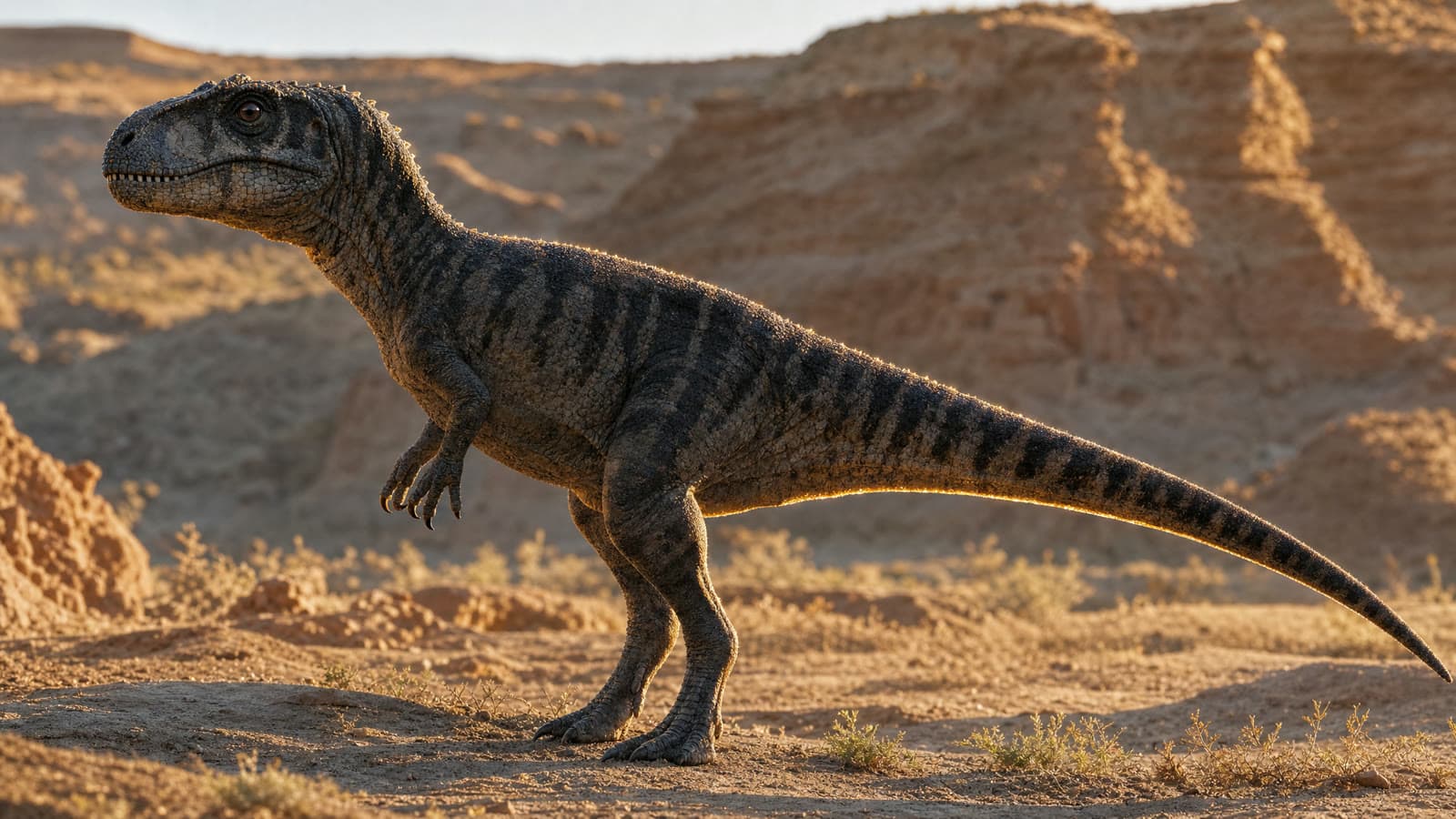
Two Fewer Tyrannosaurs? Why “Asiatyrannus” and “Raptorex” Were Probably Juveniles

A new study in *Cretaceous Research* suggests that the fossils behind “Asiatyrannus” and “Raptorex” probably belong to juvenile or subadult specimens of *Tarbosaurus bataar* – with implications for the known geographical range of this tyrannosaurid.
CheckedSource: Wissenschaftliches Paper: Taxonomic reassessment of juvenile tyrannosaurine specimens from Asia reveal large biogeographic ranges in tyrannosaurids
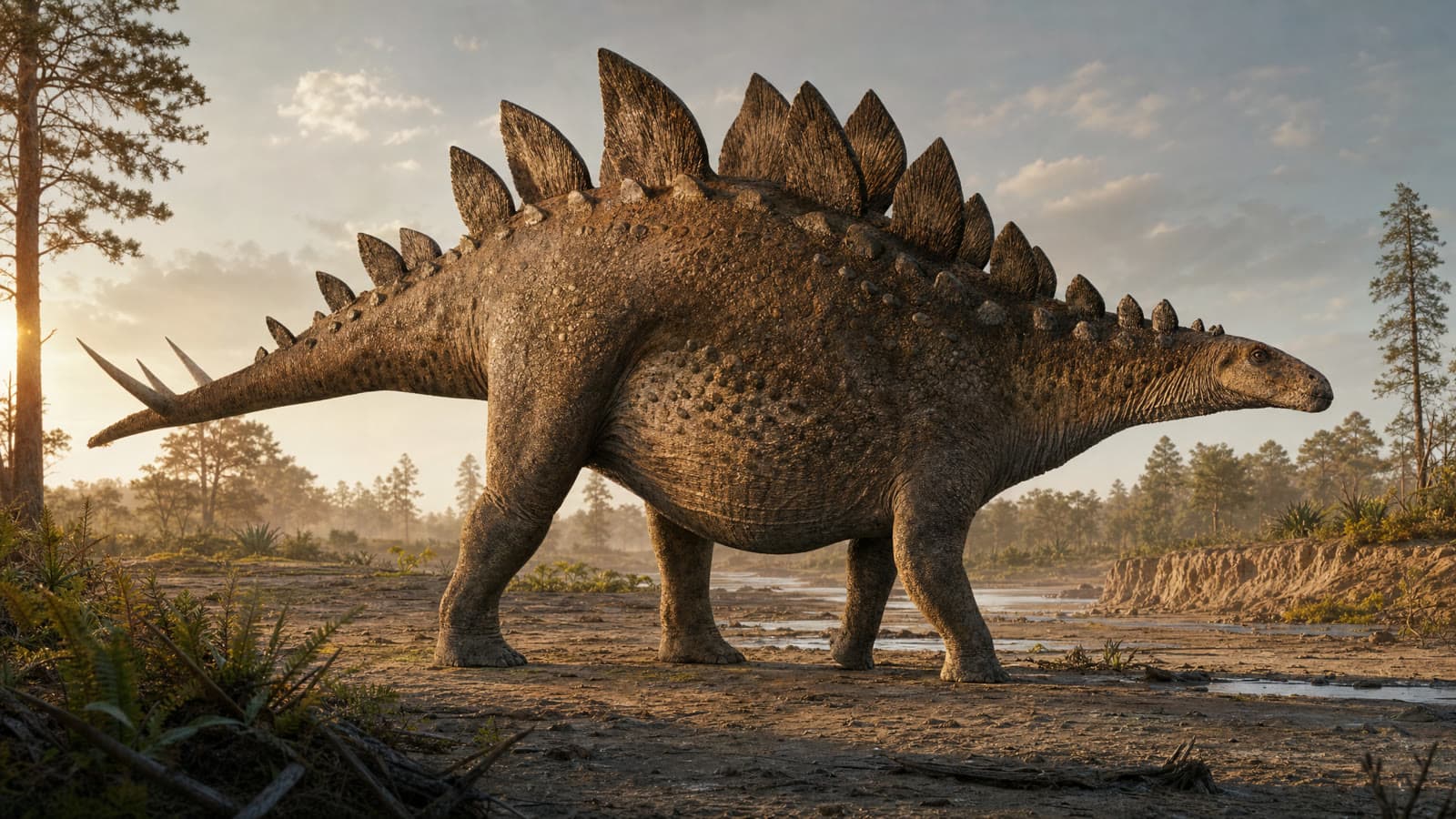
Dacentrurus armatus reconstruction inspired by the rare stegosaur skull from Late Jurassic SpainDinosaurs
Oberjura · vor rund 150 Mio. Jahren · 14 Jun 2026

Rare Stegosaur Skull: Europe’s Plated Dinosaurs Get a New Face

Stegosaur skulls are extremely rare. A find from Spain now provides new clues about Dacentrurus armatus and the evolution of armoured dinosaurs.

CheckedSource: Wissenschaftliches Paper: New insights into the phylogeny and skull evolution of stegosaurian dinosaurs: An extraordinary cranium from the European Late Jurassic