Search & archive
Search headlines and article text. Leave the search field empty to browse every article, newest first.
57 articles · Page 4 / 5
 Sea Reptiles
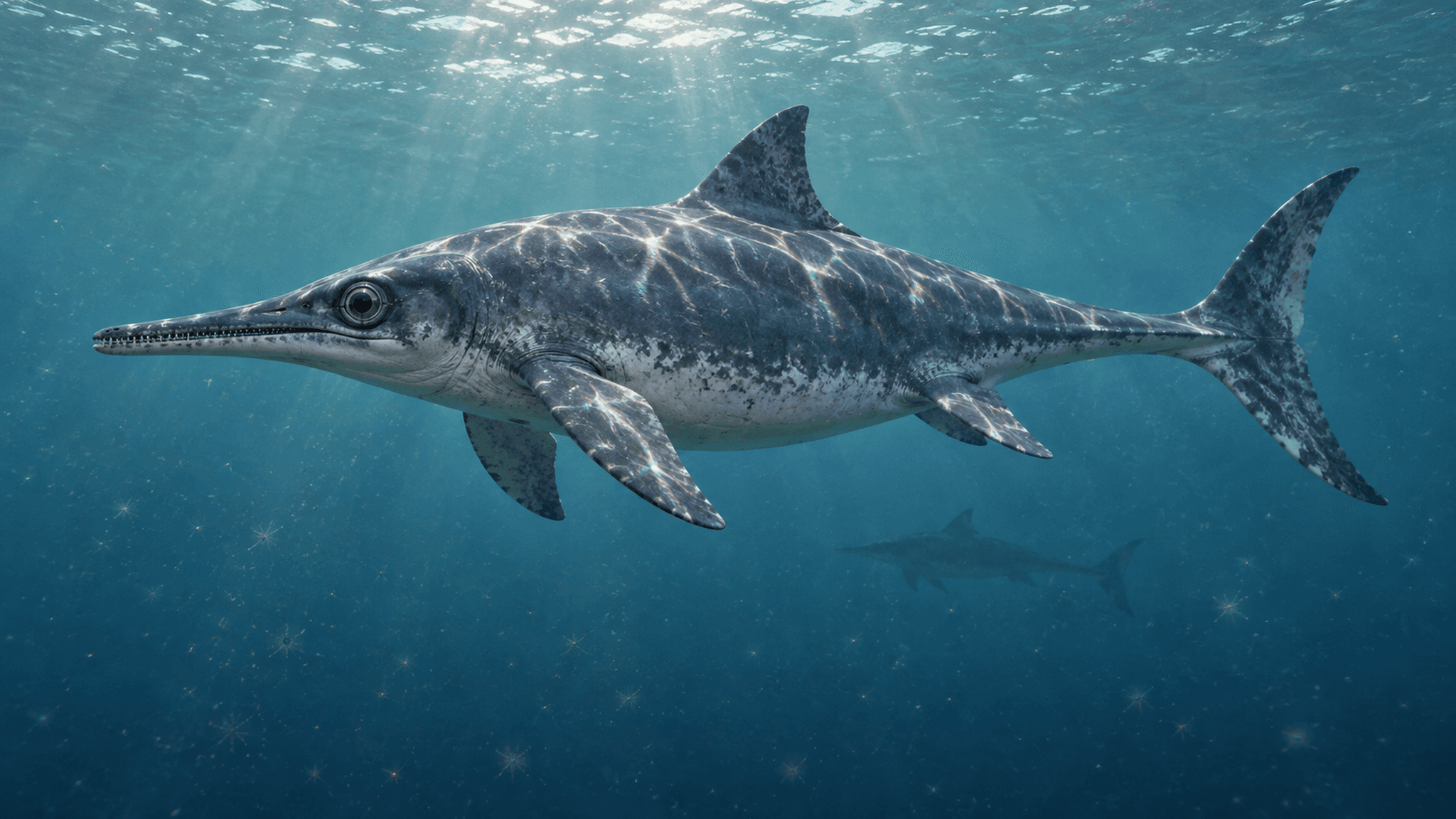
 · 29 Sept 2026A skeleton from Asturias tears down an old boundary: this ichthyosaur from Spain unquestionably belongs to *Ichthyosaurus anningae*, a species previously confirmed only in Dorset, England. Judged by its upper arm bone, it is also the largest known animal of its species. It swam through a Lower Jurassic sea whose fauna closely linked northern Spain with Britain.
 Fossil Finds
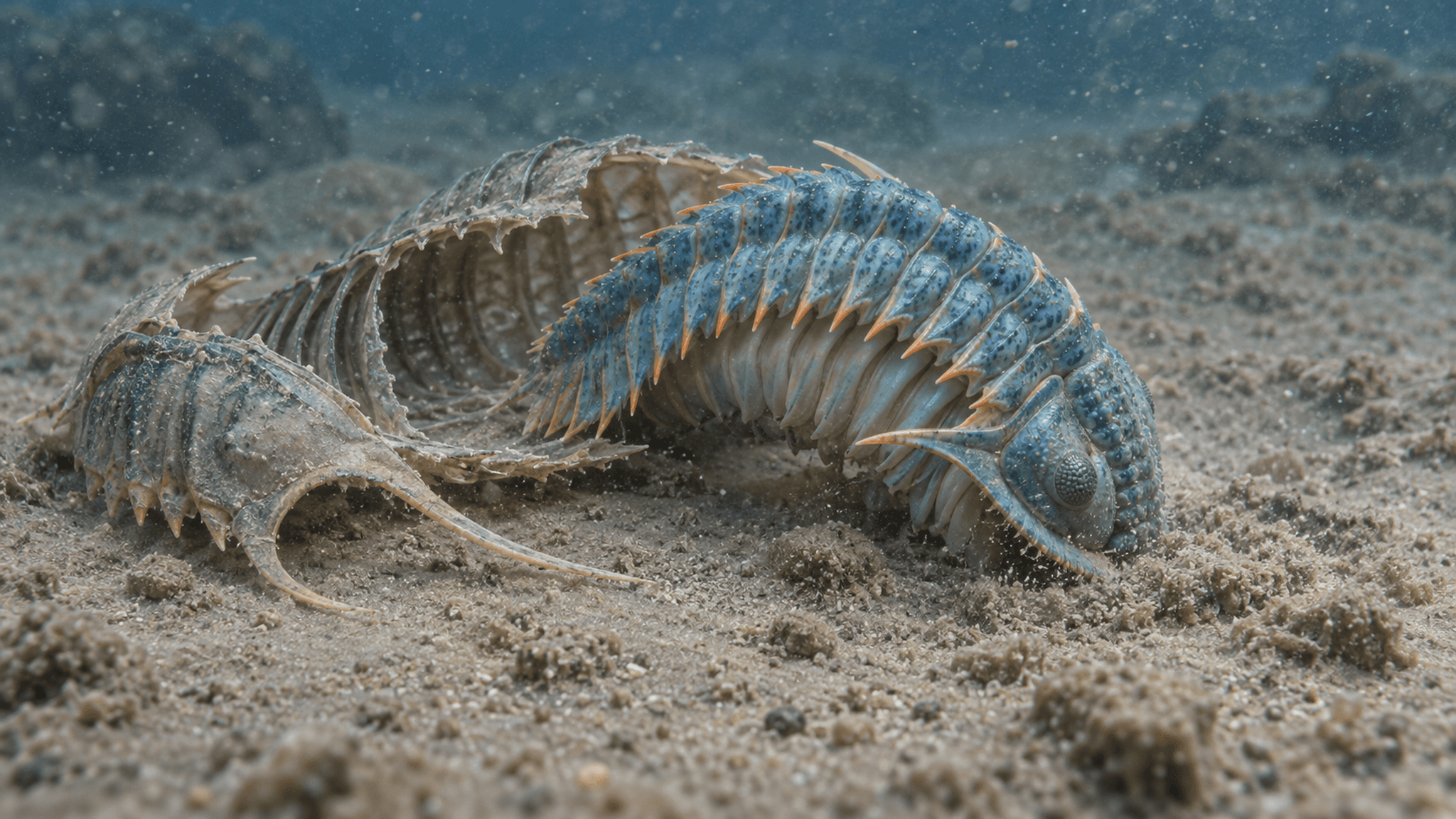
 · 28 Sept 2026Eleven fossils from the Burgess Shale reveal a pattern of damage rarely seen in trilobites: bent and injured cheek spines on the head shield. In the Cambrian trilobite *Olenoides serratus*, such deformities occur more often than in other trilobites. The cause may lie in trilobite moulting, when the animal had to press its head into the seabed.
 Dinosaurs
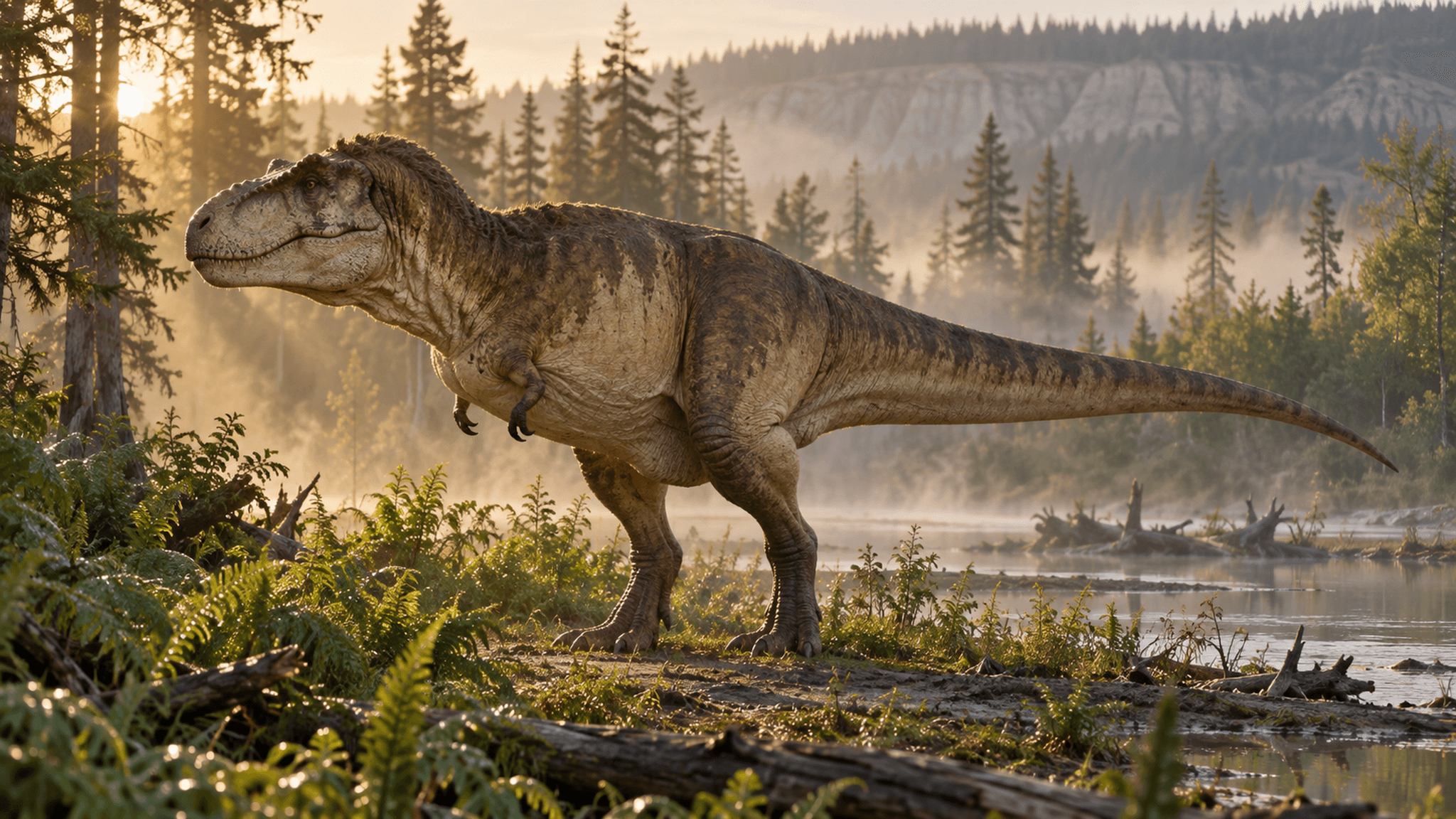
 · 27 Sept 2026Three 66-million-year-old teeth from the Hell Creek Formation in North America provide a concrete measurement of T. rex body temperature: 36.3 degrees Celsius, plus or minus 2.5 degrees. That put the Late Cretaceous predator in the range of modern mammals and birds. Scientists have argued over this question for decades, but hard measurements have been scarce. Now they have one.
 Evolution
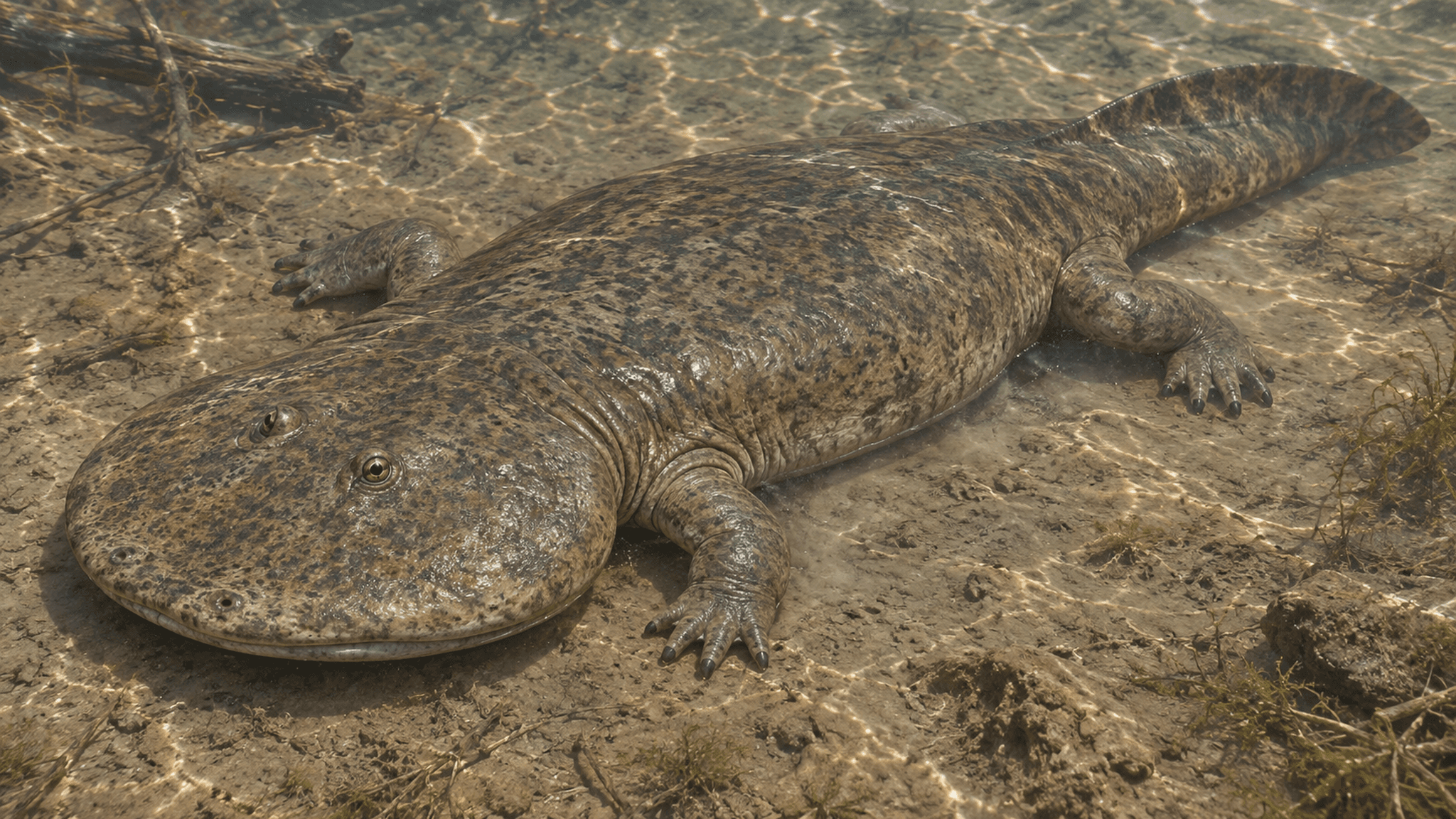
 · 24 Sept 2026A new study redraws the family tree of North America’s Triassic amphibians. Fossils from Texas, New Mexico and Arizona had previously been grouped under the name *Anaschisma browni*. The analysis does not support that merger. Two species from Texas therefore receive genera of their own. Among the supposed dwarf *Apachesaurus gregorii*, the researchers also uncovered a specimen believed to represent an adult animal.
 Fossil Finds
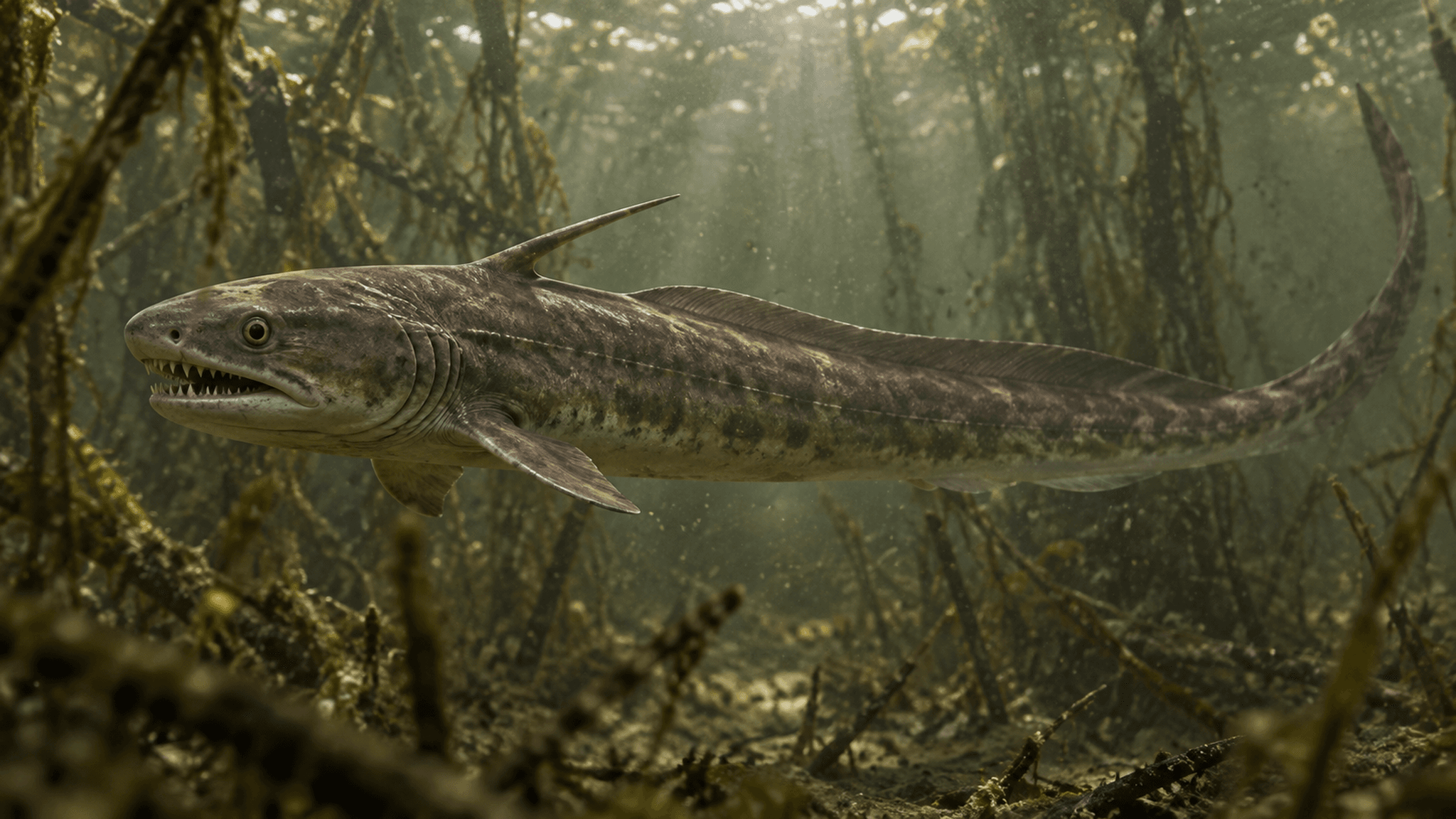
 · 24 Sept 2026Shark cartilage normally rots long before it can fossilise, yet three fragments from Arizona and Texas have survived for around 220 million years. A mosaic of polygonal mineral tiles gave them away, a hallmark of the calcified cartilage found in sharks and their relatives. This is the first evidence of such cartilage from the Upper Triassic of the western United States.
 Sea Reptiles
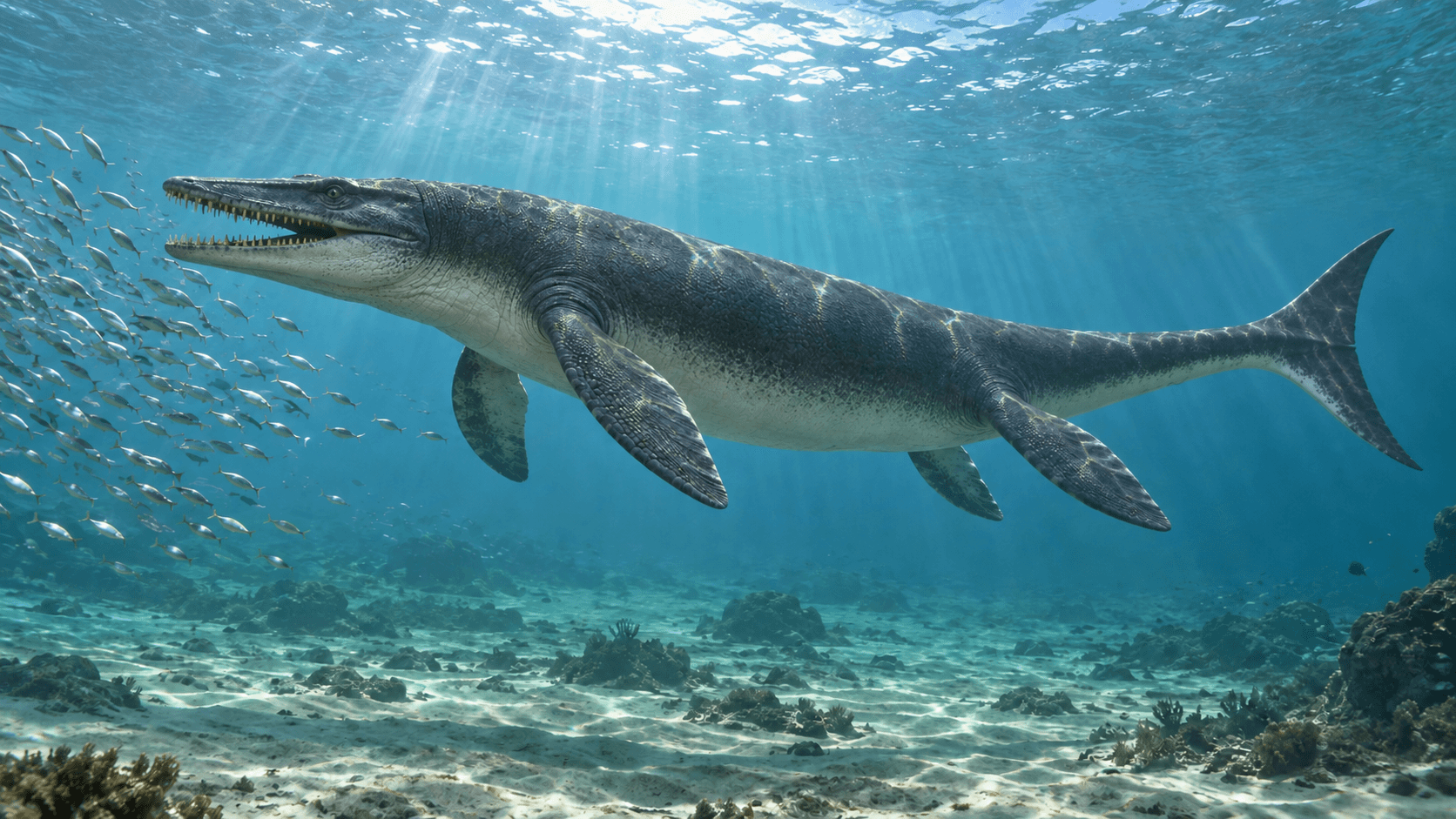
 · 14 Sept 2026A rock block from Japan sat in a museum for more than three decades — packed with mosasaur bones that nobody had recognised. Researchers found four overlooked bones inside it, including the first confirmed front upper-jaw bone from a mosasaur in Japan. A braincase bone bears a combination of features unlike any described mosasaur. It may represent a new species, but that has not been established.
 Fossil Finds
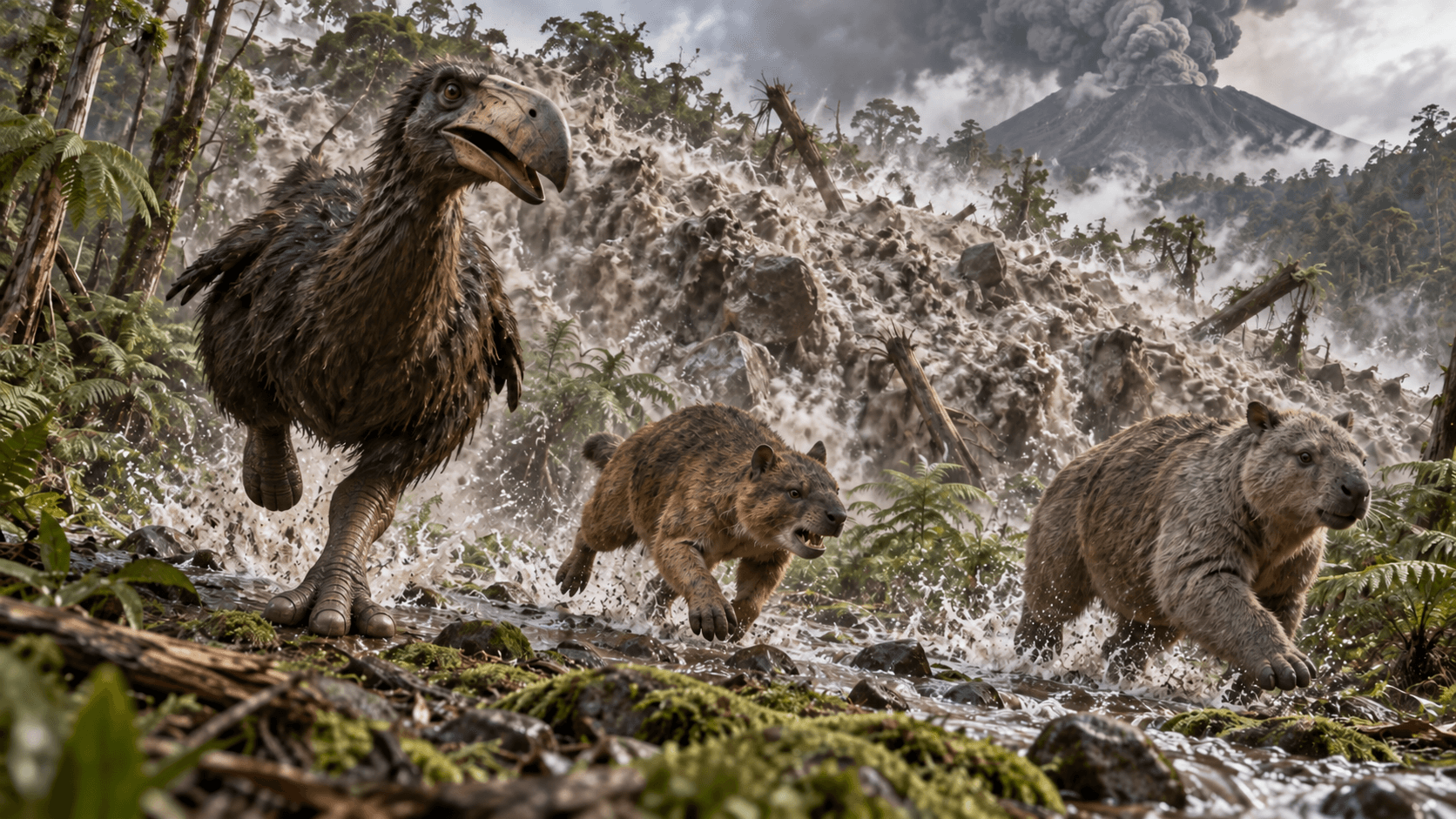
 · 14 Sept 2026Fossil wood from Queensland has a new name: *Scalarixylon lahar*. The species comes from Oligocene volcanic deposits near Maidenwell in the south-east of the Australian state. Its wood bears a pattern also seen in fossil protea-family wood from South America. The vegetation at the site grew under permanently moist conditions and was dominated by rainforest plants. One big question remains: which living genus does it belong to?
 Dinosaurs
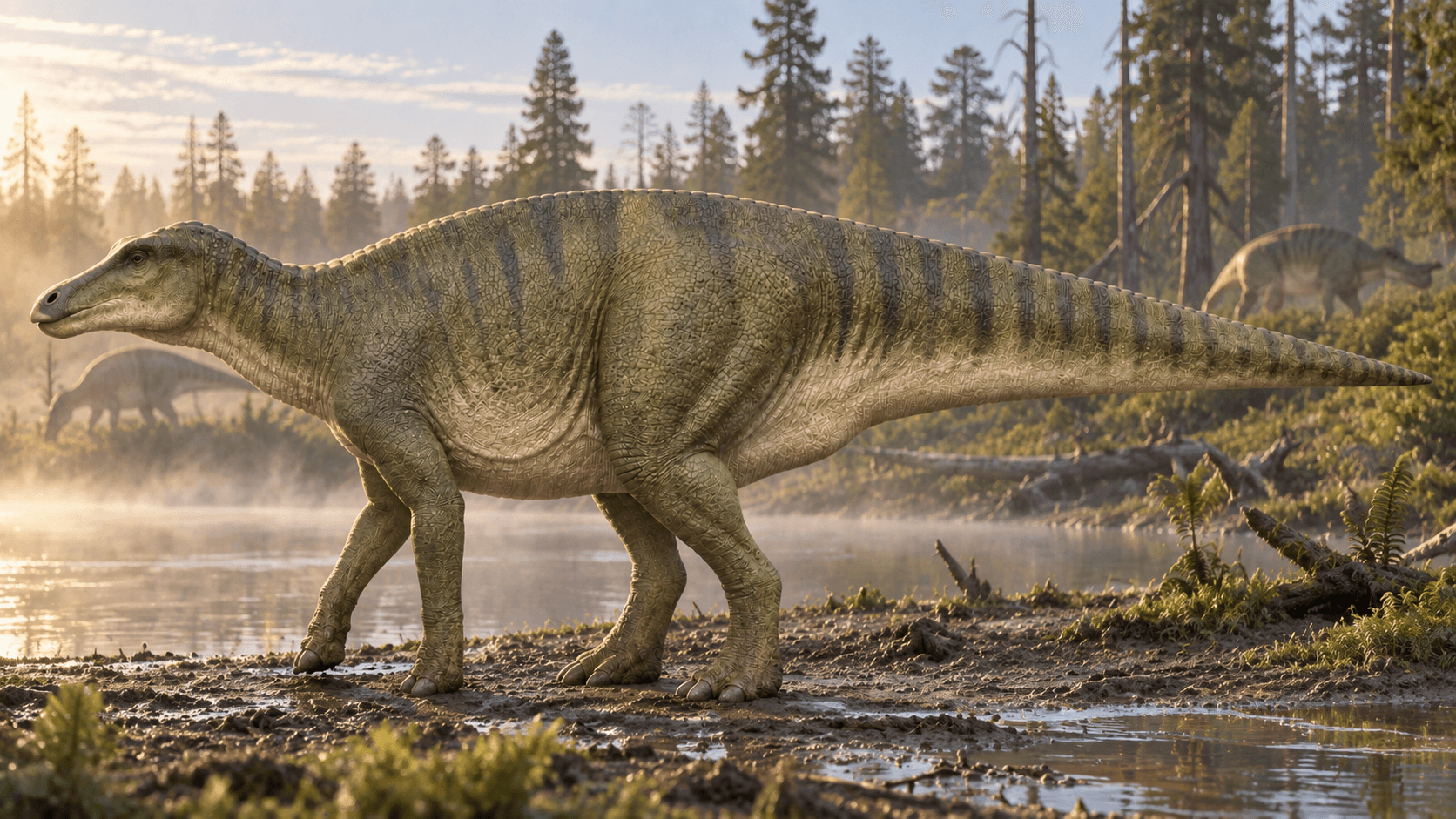
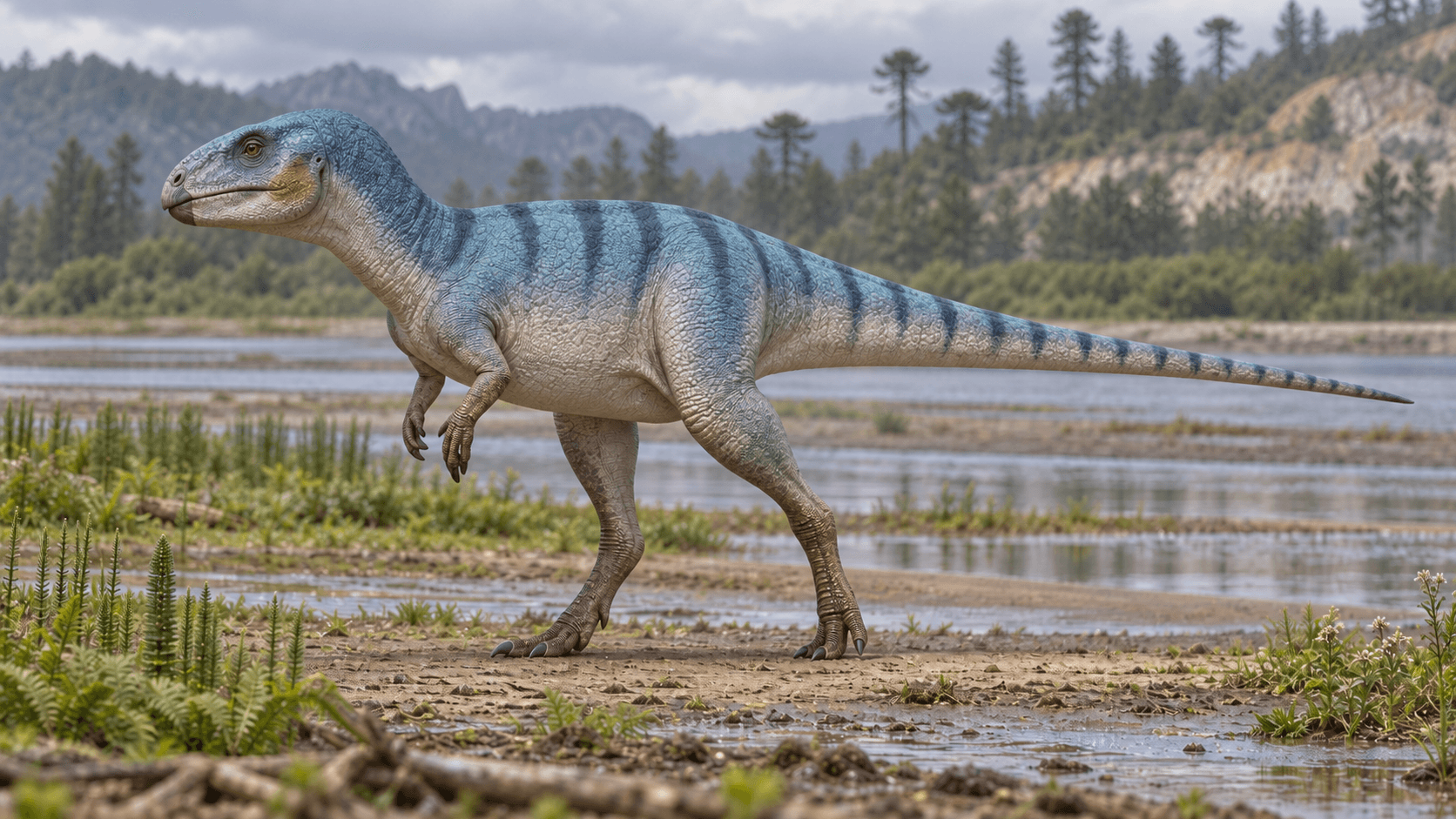
 · 14 Sept 2026The sacrum of an *Edmontosaurus* still contains remnants of the animal’s own protein. More precisely: fragments of collagen, the structural protein that keeps bones strong and flexible. A team led by Lucien Tuinstra found three independent lines of evidence for it. The fossil comes from the Late Cretaceous of South Dakota — and is fuelling a dispute that has occupied researchers for decades.
 Fossil Finds
 · 13 Sept 2026A tunnel pierces the shell of a Cretaceous turtle. Nearby, feeding traces on dinosaur bones point to three suspects: probably termites, hide beetles and multituberculates, an extinct group of mammals. Six forms of pits, tunnels and grooves turn the bones from Romania’s Haţeg Basin into a case file on what happened after death.
 Fossil Finds
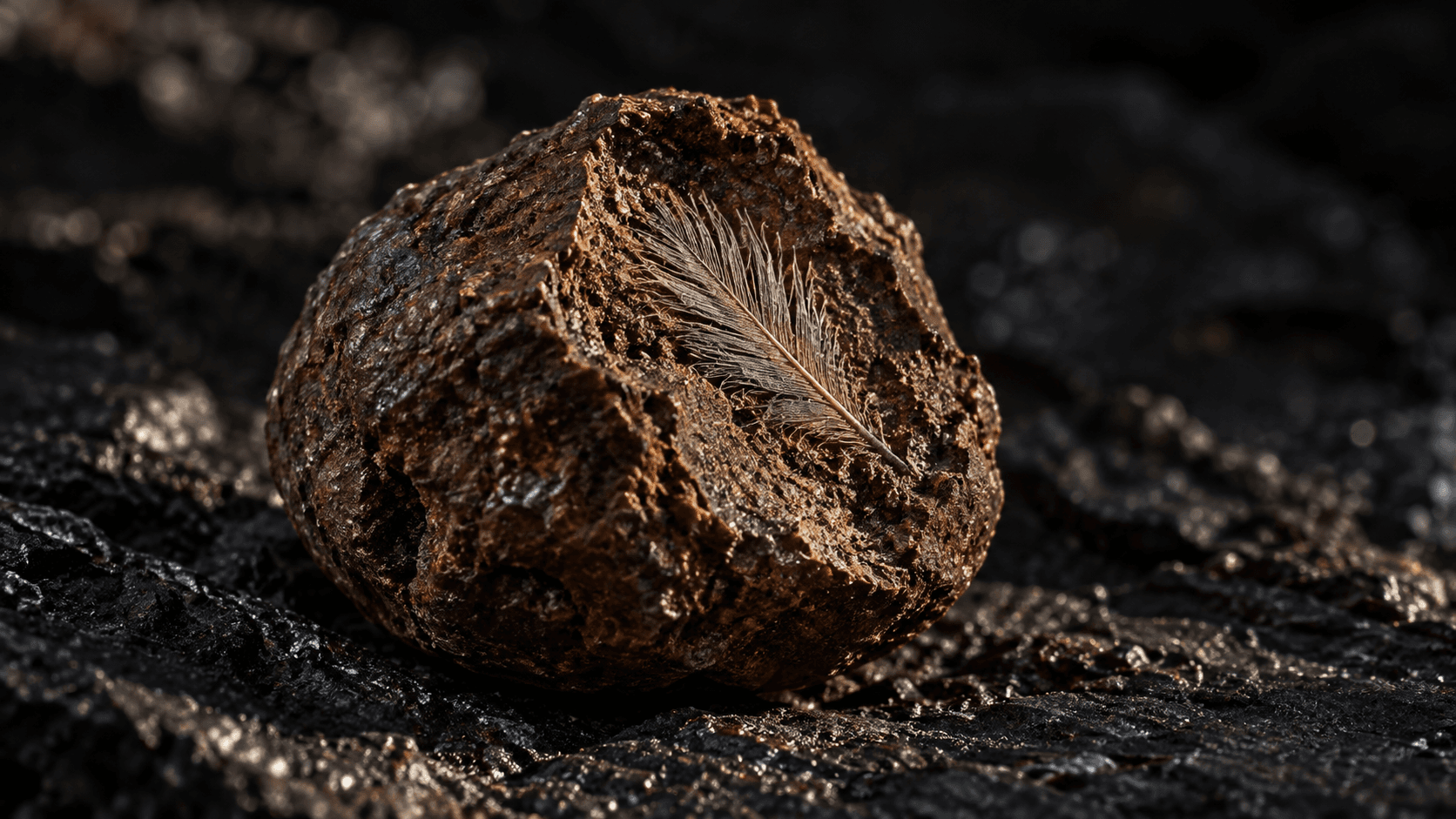
 · 12 Sept 2026Feathers in dinosaur poop have put researchers on an unexpected trail: an unassuming lump from Montana preserves bird remains from around 66 million years ago. A tiny feather sits on the surface, with more feathers, scales and bones hidden inside. The find records a meal – and could help explain why some bird groups survived the mass extinction while others vanished.
 Dinosaurs
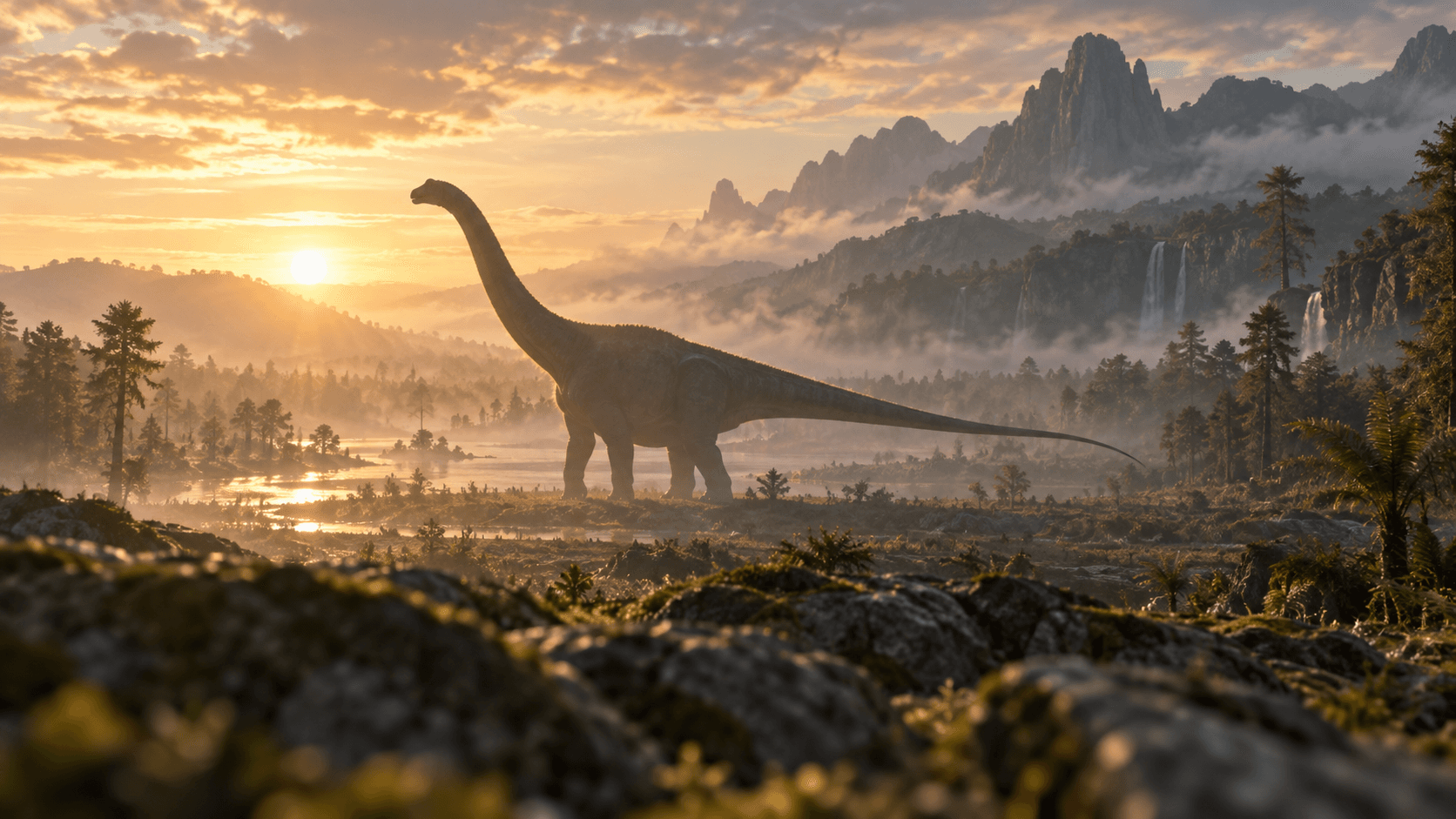
 · 12 Sept 2026First their diversity plunged. Then it climbed again. Long-necked dinosaurs from the group Diplodocoidea tell a striking story across the Jurassic–Cretaceous transition. A new study places their later diversity peak in the Aptian of the Early Cretaceous. In sampling-adjusted estimates, it even exceeds the highest Late Jurassic values. But different long-necked dinosaurs are behind this second boom.
 Dinosaurs
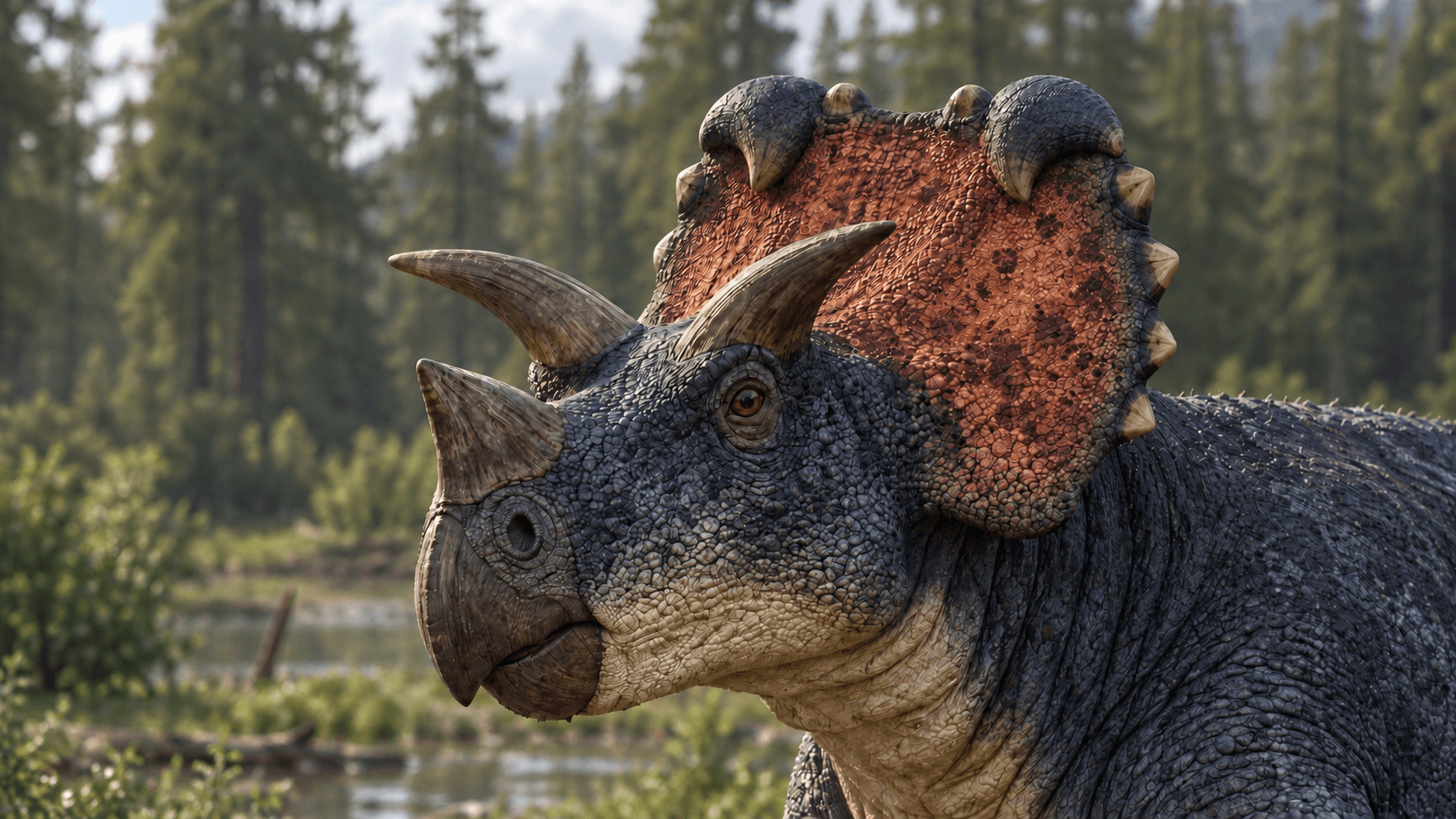
 · 11 Sept 2026Medusaceratops had pus draining from a bone in its tail. An injury had badly damaged the horned dinosaur, and infection ate into the vertebra. Yet its body kept responding, building a massive sheath of new bone. The Montana fossil shows that the dinosaur lived for a long time after the injury. The evidence is strikingly clear.
