Search & archive
Search headlines and article text. Leave the search field empty to browse every article, newest first.
57 articles · Page 3 / 5
 Evolution
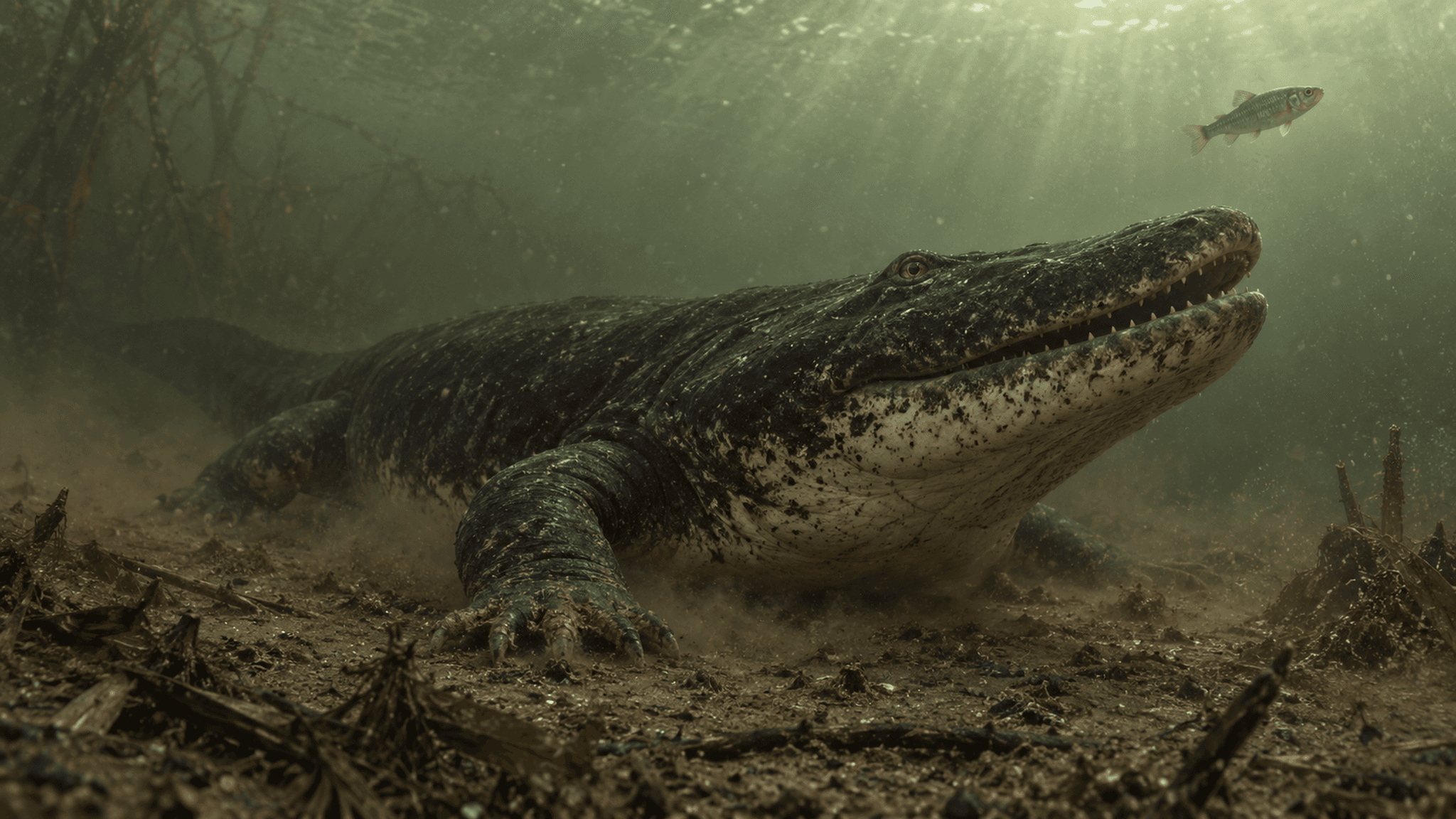
 · 6 Oct 2026A five-metre predator lies motionless on the bed of a Triassic lake. Then its jaws snap shut. Its tongue was probably weak and barely mobile. But the head of the giant amphibian *Mastodonsaurus* housed more jaw muscles than researchers had ever assumed. Its fossils come mainly from Baden-Württemberg and Bavaria, and they reveal an ingenious feeding trick.
 Fossil Finds
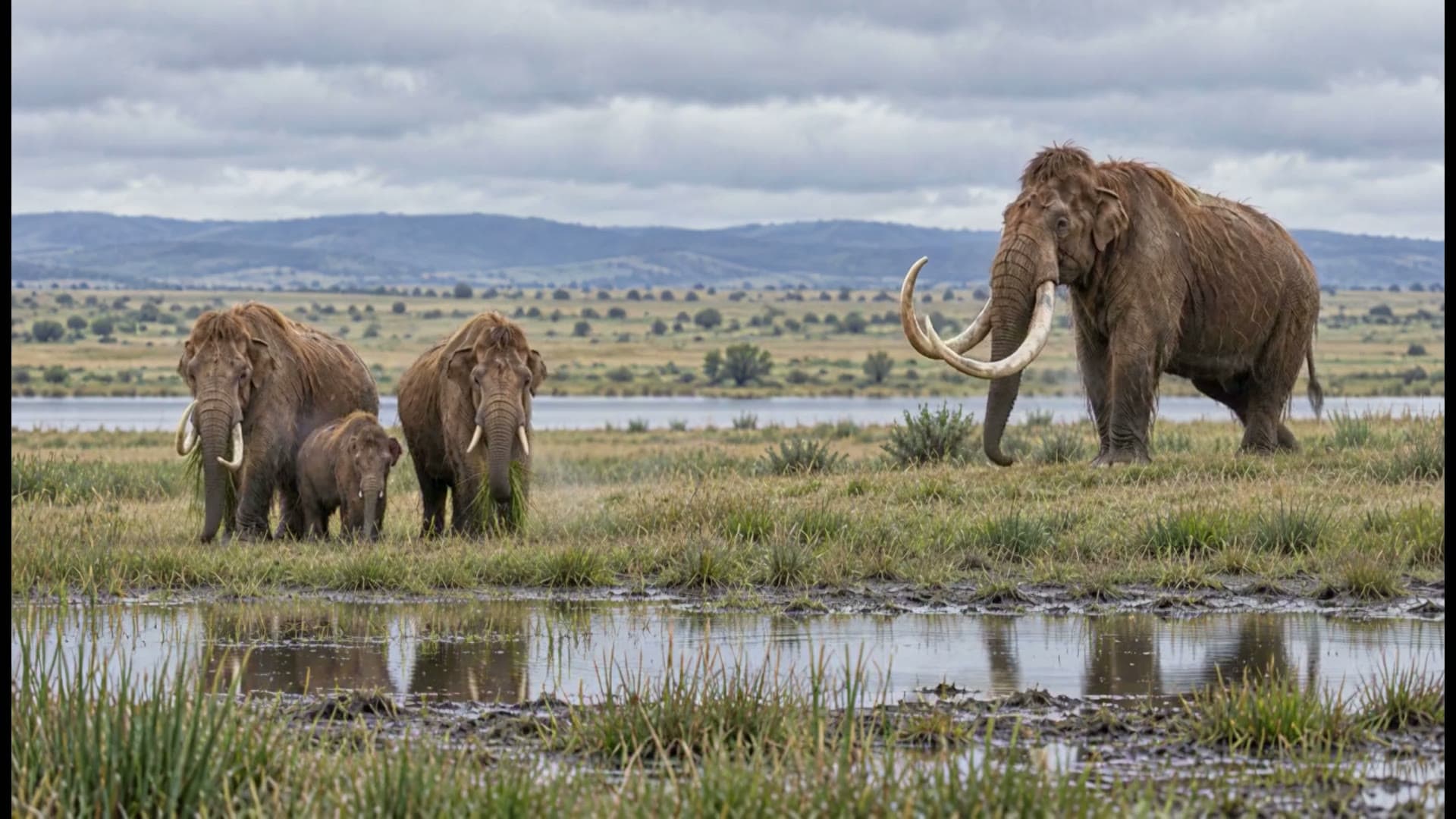
Late Pleistocene · 5 Oct 2026At Blackwater Draw near Clovis, New Mexico, spear points lay directly among mammoth bones – the first clear proof that people in the Americas hunted mammoths. Our time-travel episode shows one day at the lake of the last mammoths. Here is what is documented and what remains reconstruction.
 Fossil Finds
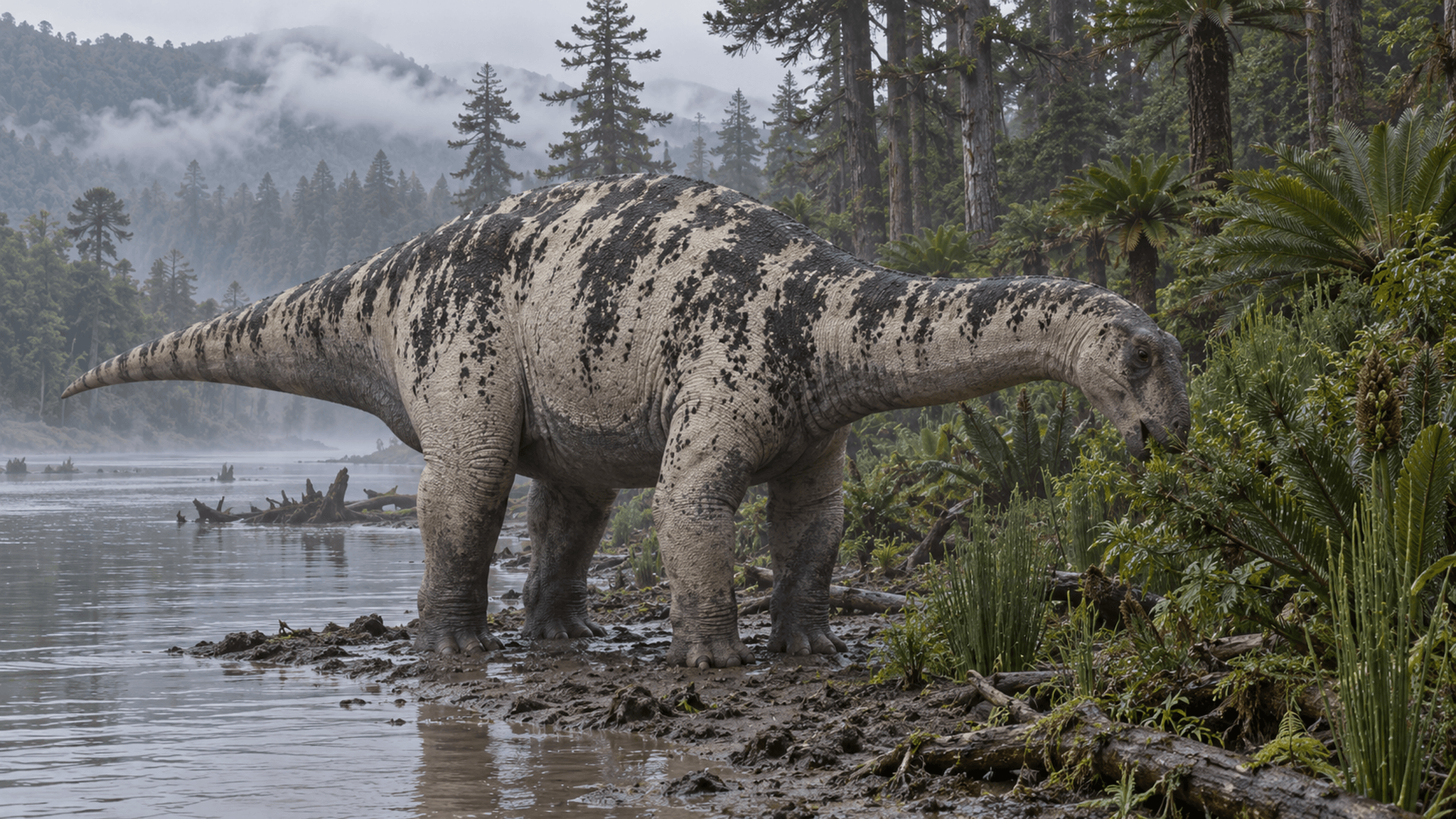
 · 5 Oct 2026A long-necked dinosaur stretches towards fresh branches as the riverbank mud gives way beneath its weight. This scene unfolded in Thailand at least 20 million years later than previously thought. New measurements from tiny crystals date the Nam Phong Formation on the Khorat Plateau to around 190 million years ago, rewriting the entire history of dinosaurs in Thailand.
 Fossil Finds
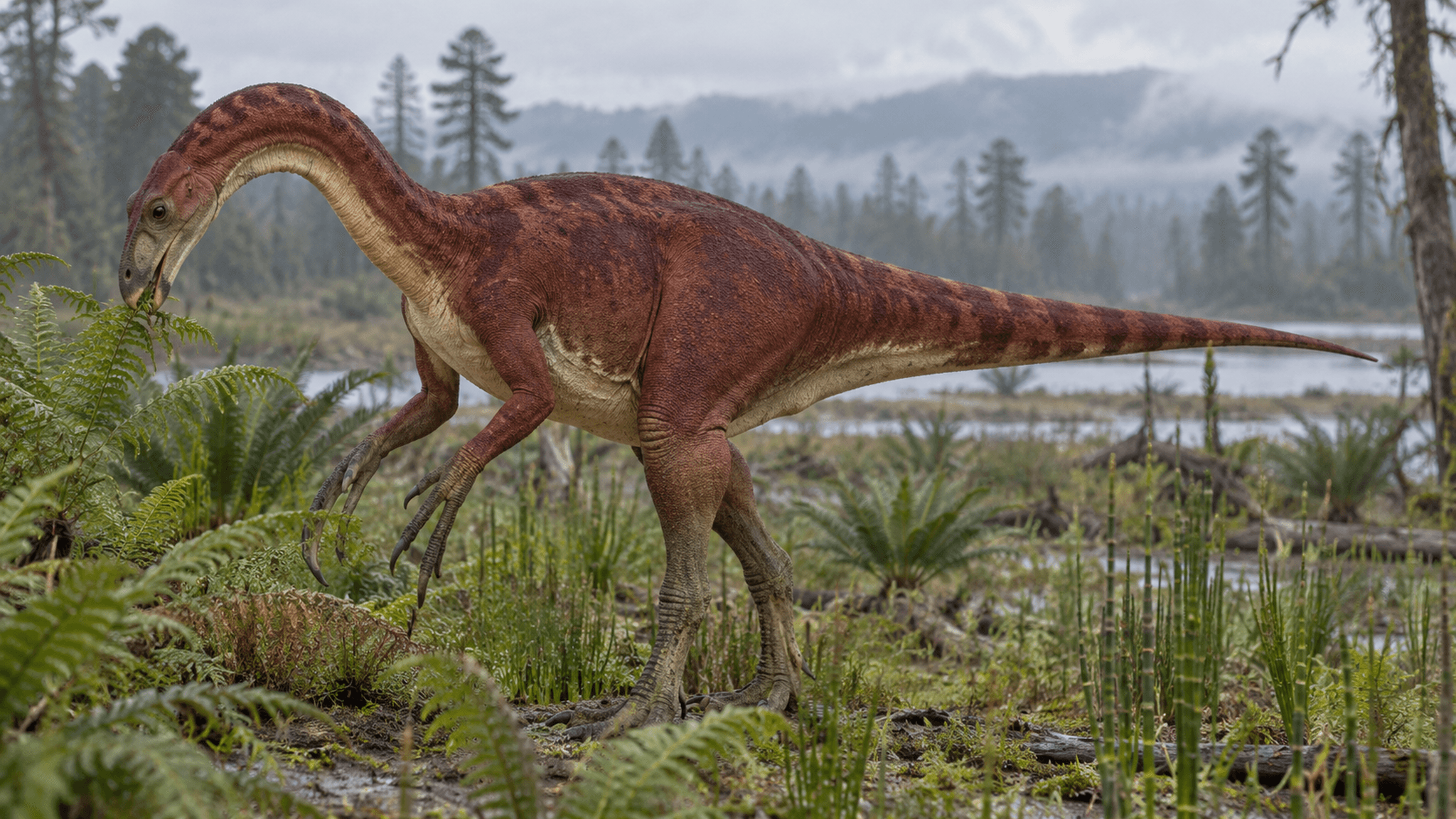
 · 5 Oct 2026Replacement teeth lay hidden for years inside the upper jaw of *Geminiraptor suarezarum*. Only a look inside the bone revealed the powerful, lance-shaped teeth. North America has therefore lost its only known bird-like troodontid from the Early Cretaceous: the Utah fossil belongs to the therizinosaurs, relatives of predatory dinosaurs with a taste for plants, and is now called *Falcarius suarezarum*.
 Fossil Finds
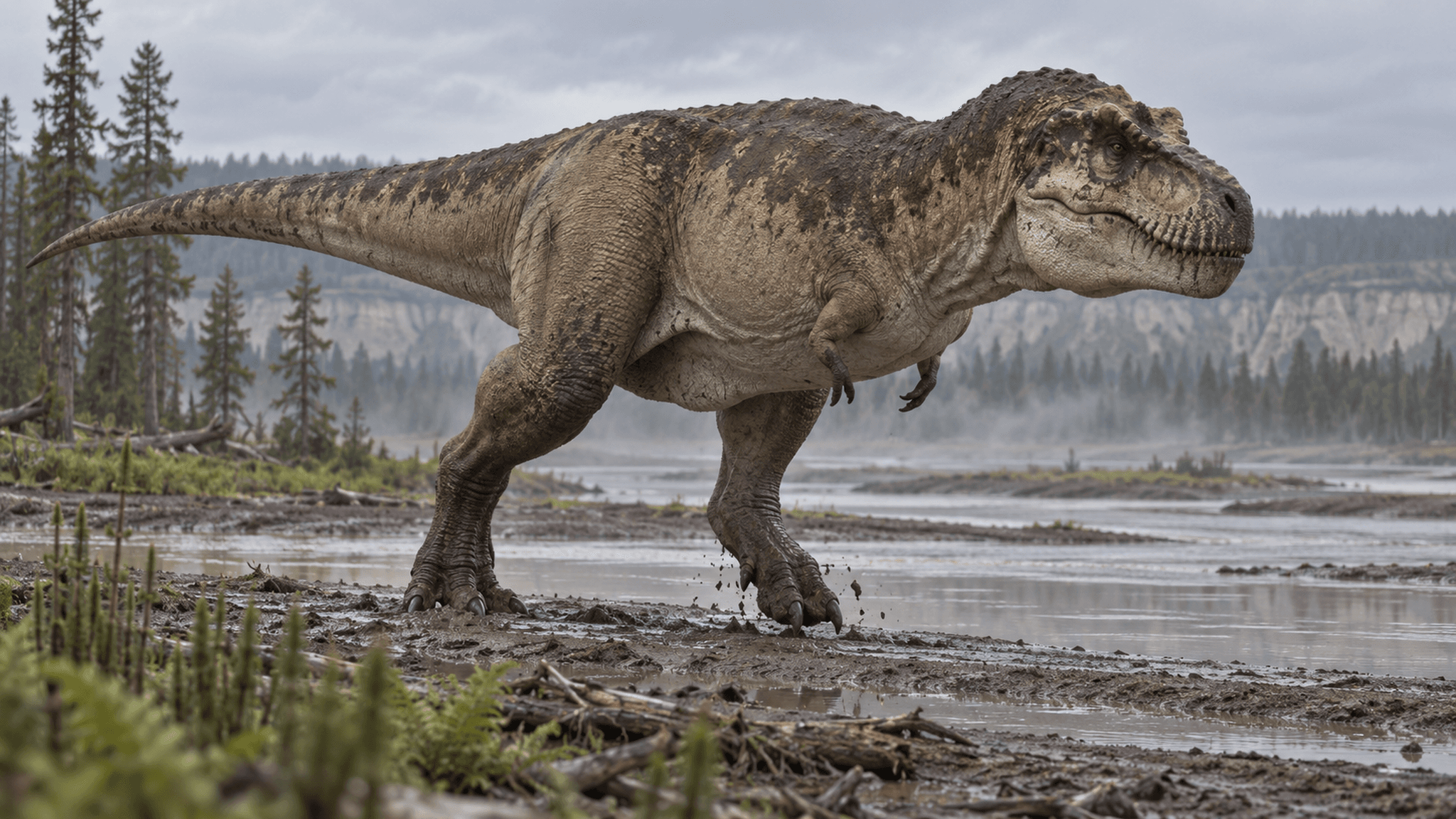
 · 4 Oct 2026A crack across the rib, surrounded by a bulge of fresh bone: when the Tyrannosaurus “Scotty” died, his body was still repairing the break. Fine tubes of fool’s gold run through this T. rex rib from Saskatchewan, Canada. Their shape and position suggest they are casts of blood vessels that grew as the fracture healed.
 Sea Reptiles
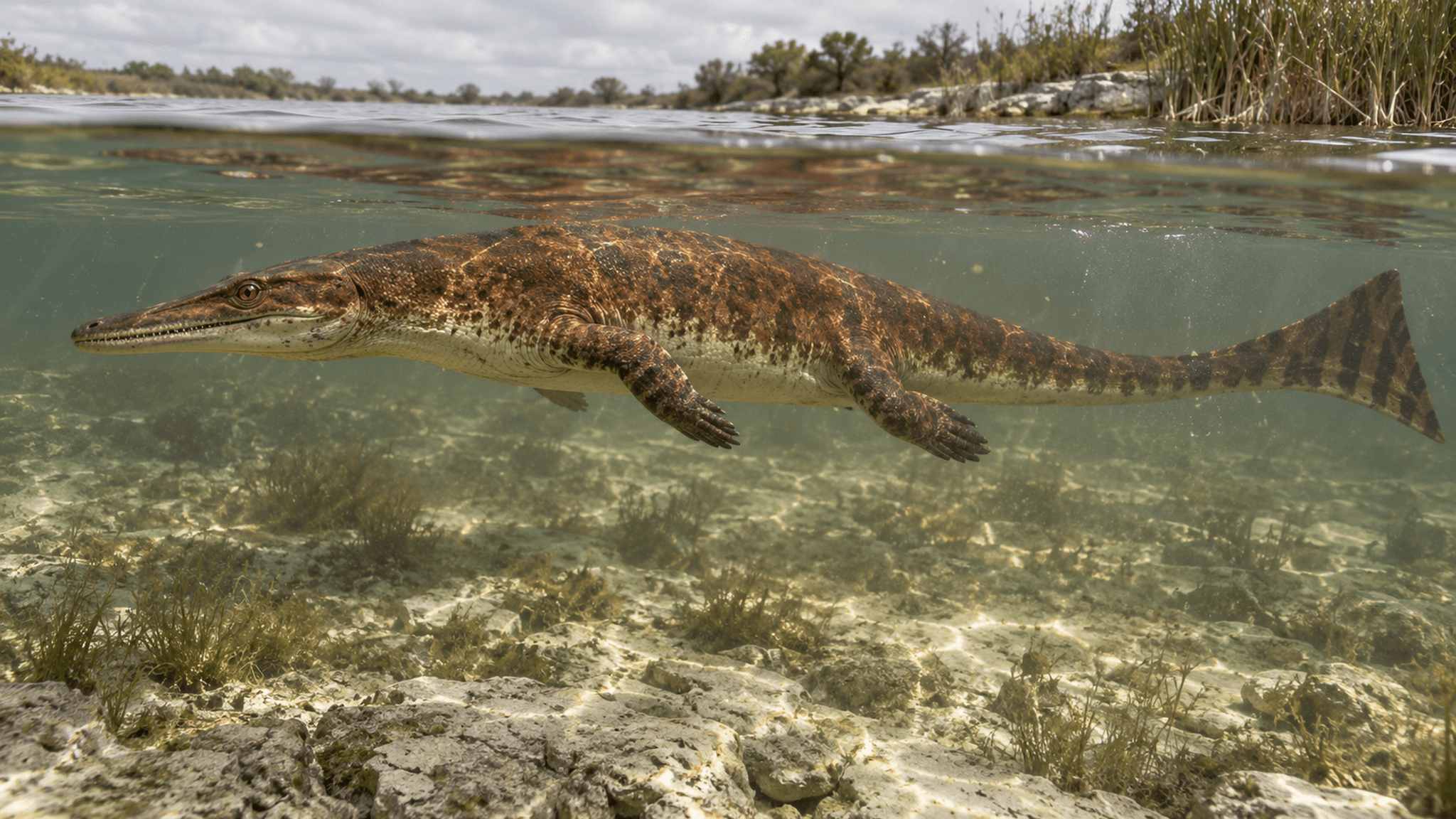
 · 4 Oct 2026About 2.5 metres long, with legs like a land animal and buried in the deposits of an ancient lake: researchers have described a new freshwater mosasaur from Provence. Mosasaurs are known as marine reptiles of the Cretaceous. This animal, named *Garamaudo bauciensis*, probably lived in freshwater near Bouc-Bel-Air in south-eastern France about 85 million years ago.
 Dinosaurs
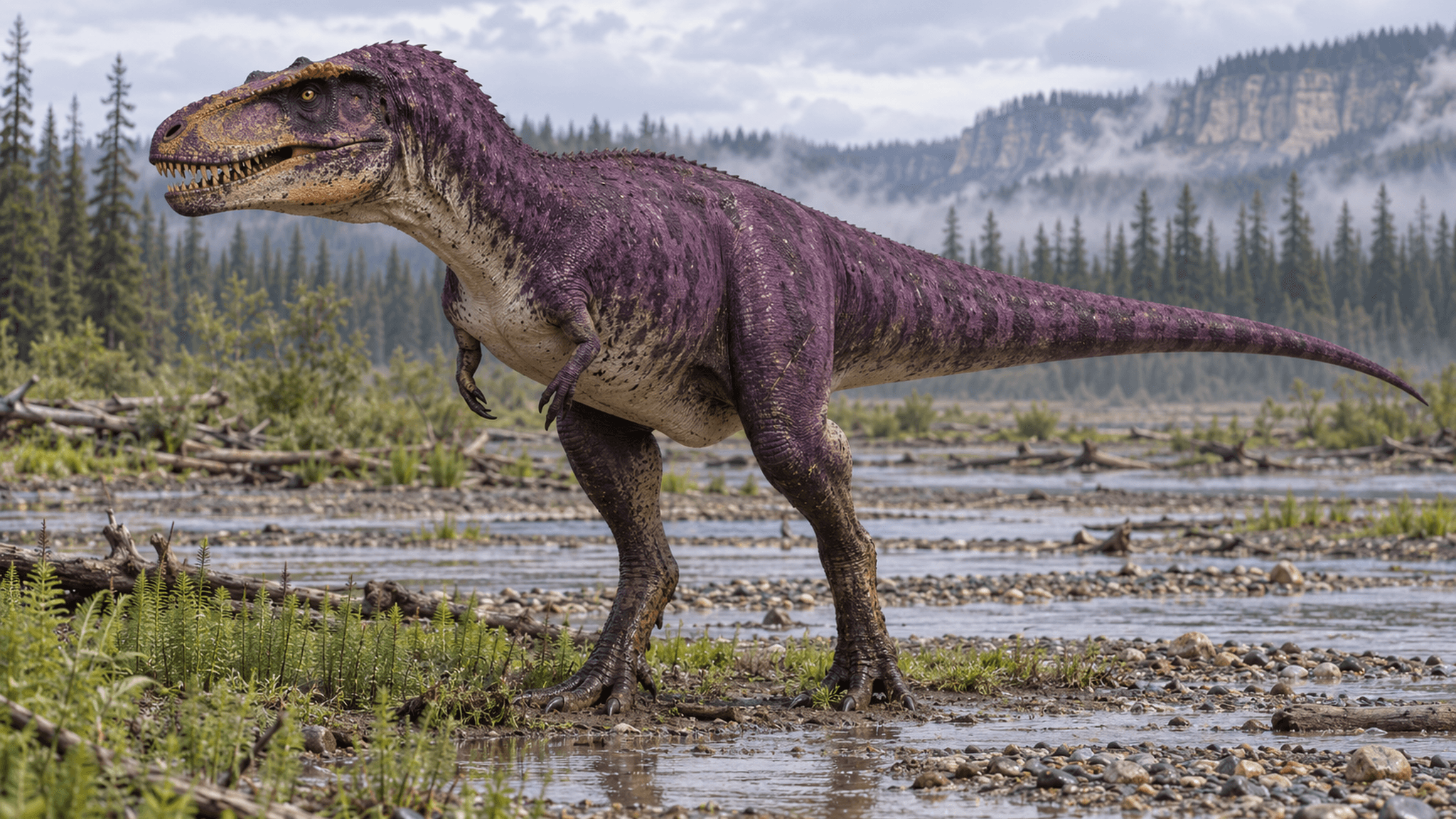
 · 4 Oct 2026Around 77 million years ago, an unknown predator stalked the floodplains of what is now Alberta. Now the animal has a name: *Tromerosaurus solumons*, a new tyrannosaur from Canada’s Oldman Formation. Its upper jaw combines features of two famous relatives and shakes the family tree of the giant predators.
 Dinosaurs
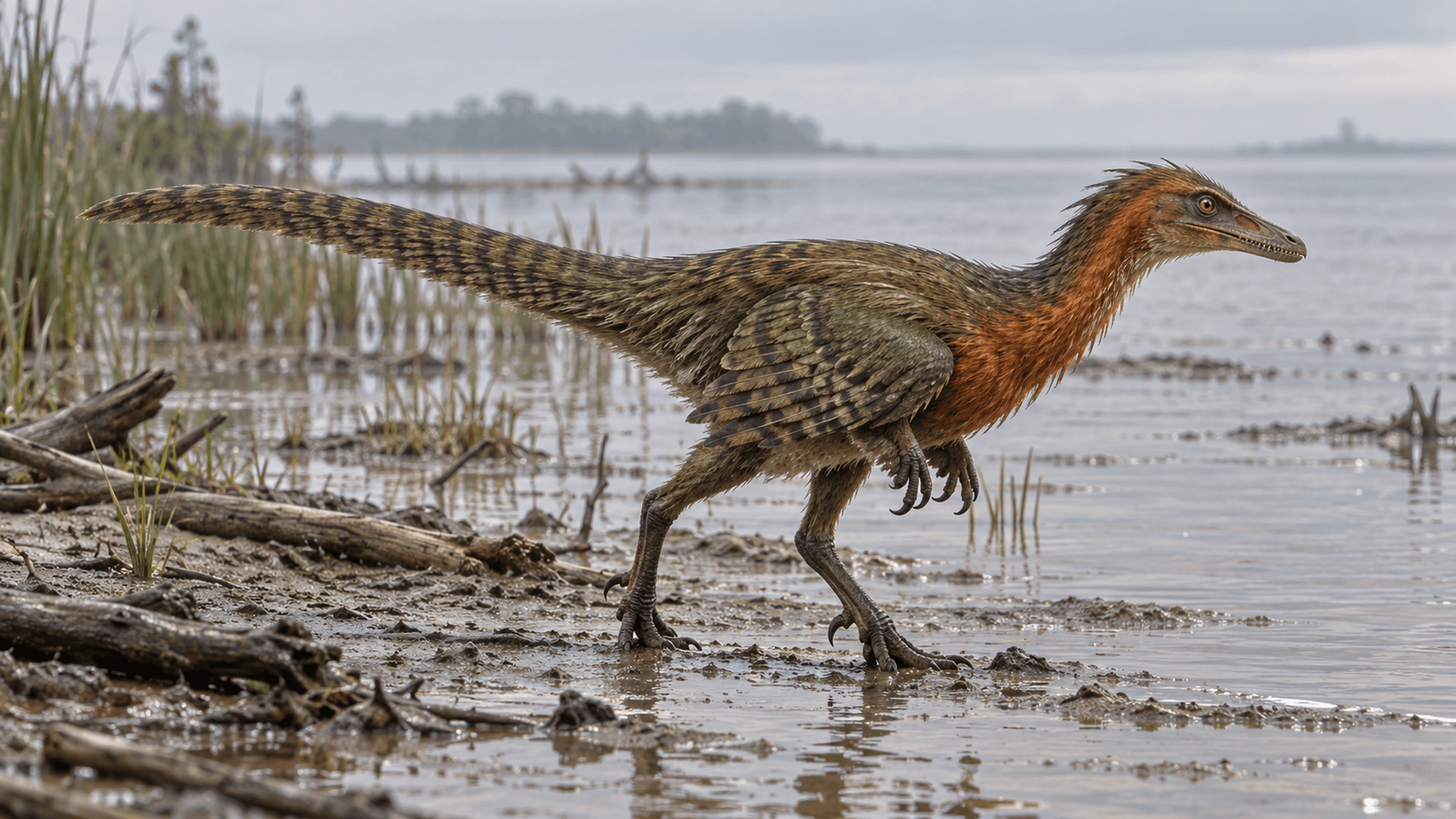
 · 2 Oct 2026Three bones from the cliffs of Cabo Espichel in Portugal date from the Early Cretaceous, and they did not belong to an early bird: their shape and size rule that out. They fit a small predatory dinosaur from the birds’ closest circle of relatives. Two of the arm bones may come from a single animal about the size of a modern male turkey. Such small predatory dinosaurs are barely known from the Iberian Peninsula.
 Sea Reptiles
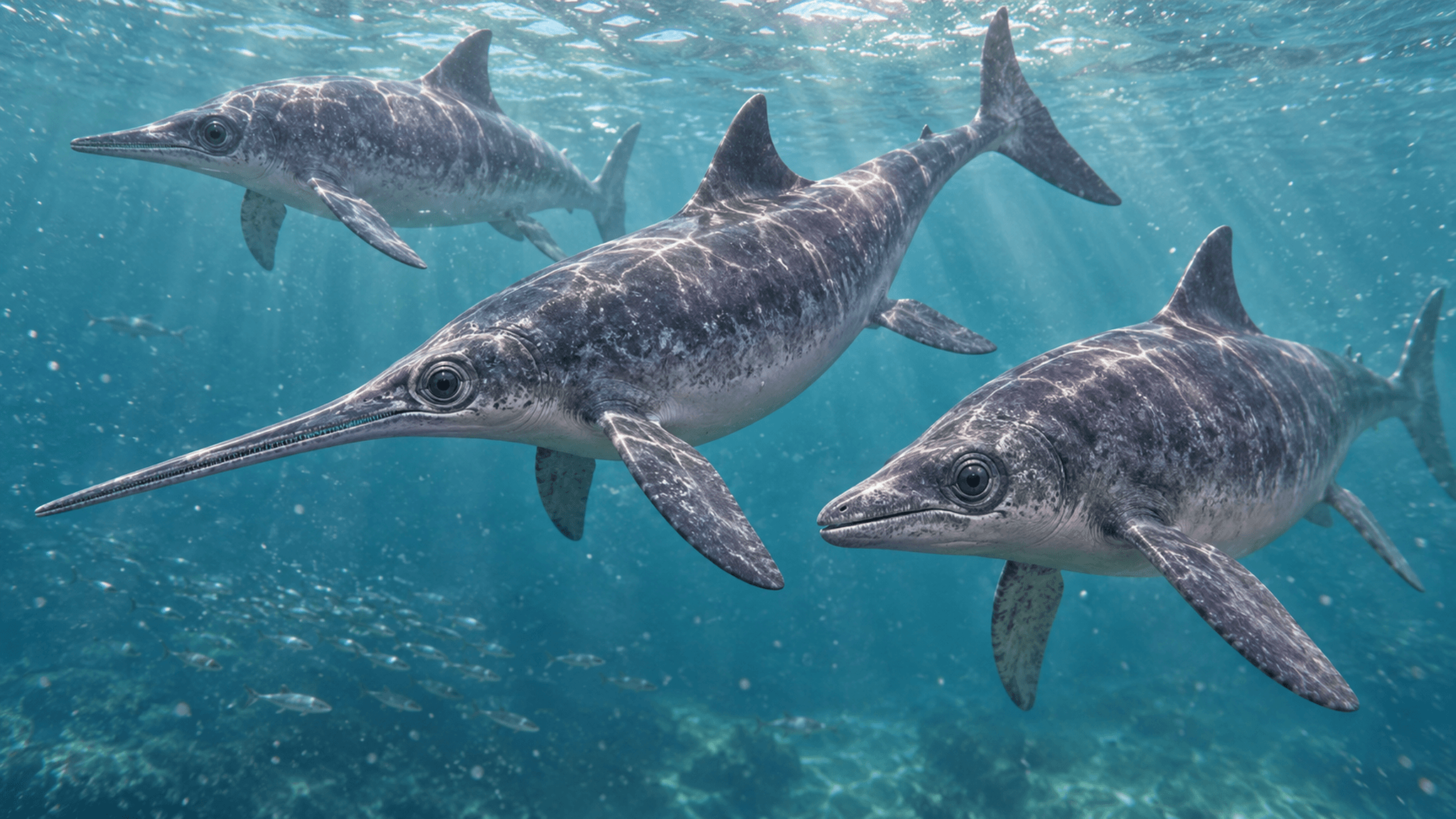
 · 2 Oct 2026Ichthyosaurs made a lightning start in the Triassic. According to the median of a new evolutionary model, the range of their skull lengths peaked around 231.1 million years ago. At that point, only about one eighth of their evolutionary history had passed. That is the finding of a study that has not yet been peer-reviewed. Neither sea level nor sea-surface temperature, rock area or sedimentary sequences show a turning point that matches it significantly.
 Evolution
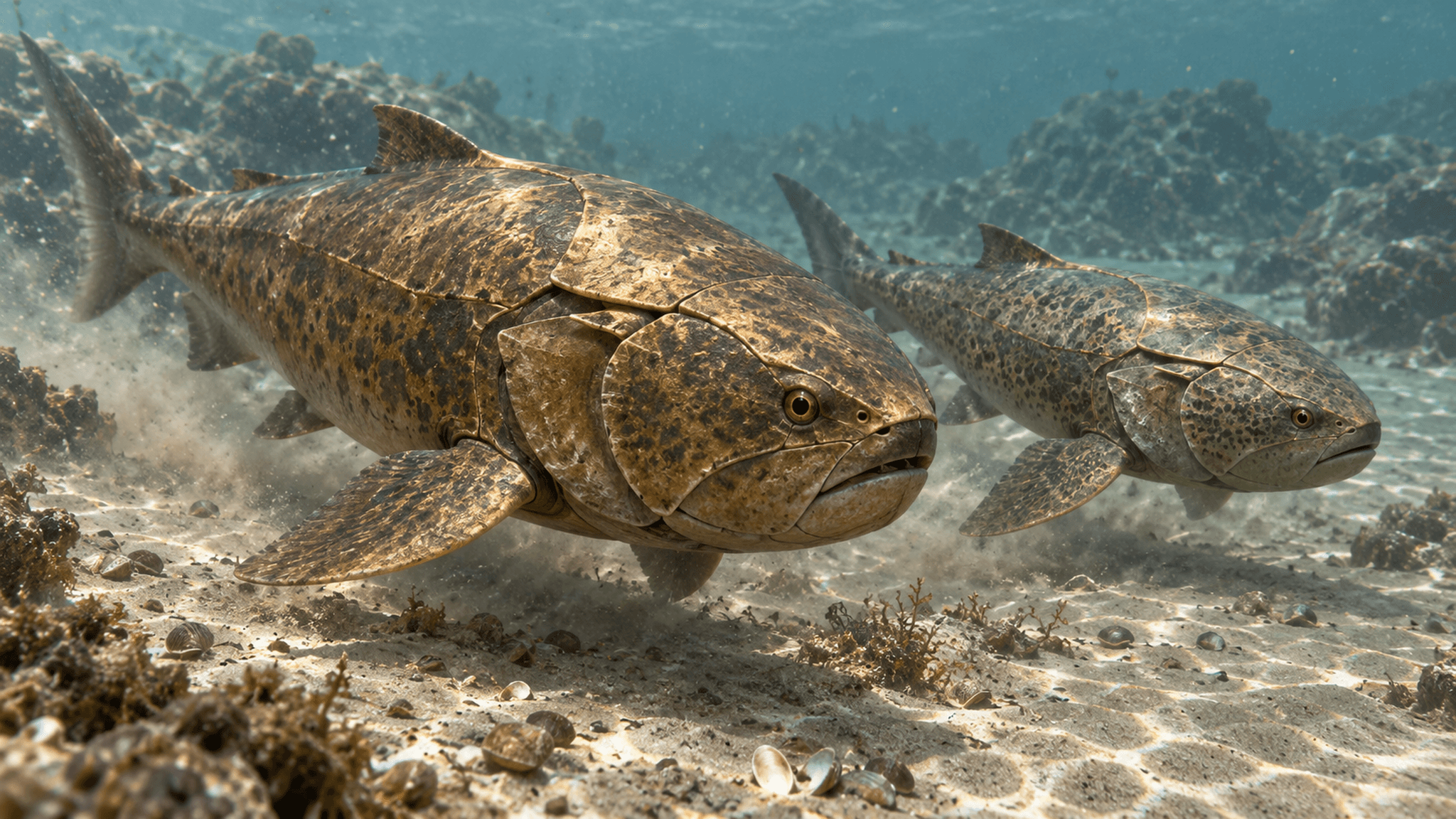
 · 2 Oct 2026A Silurian fossil kept its secret for a long time: *Entelognathus primordialis* carried two gill-cover plates rather than the single plate described until now. New scans of the original specimens reveal the truth. They change our picture of early jawed armoured fish. A structure once thought to be cartilage is actually a bony projection – and a second ancient fish shares the most striking features of this design.
 Fossil Finds
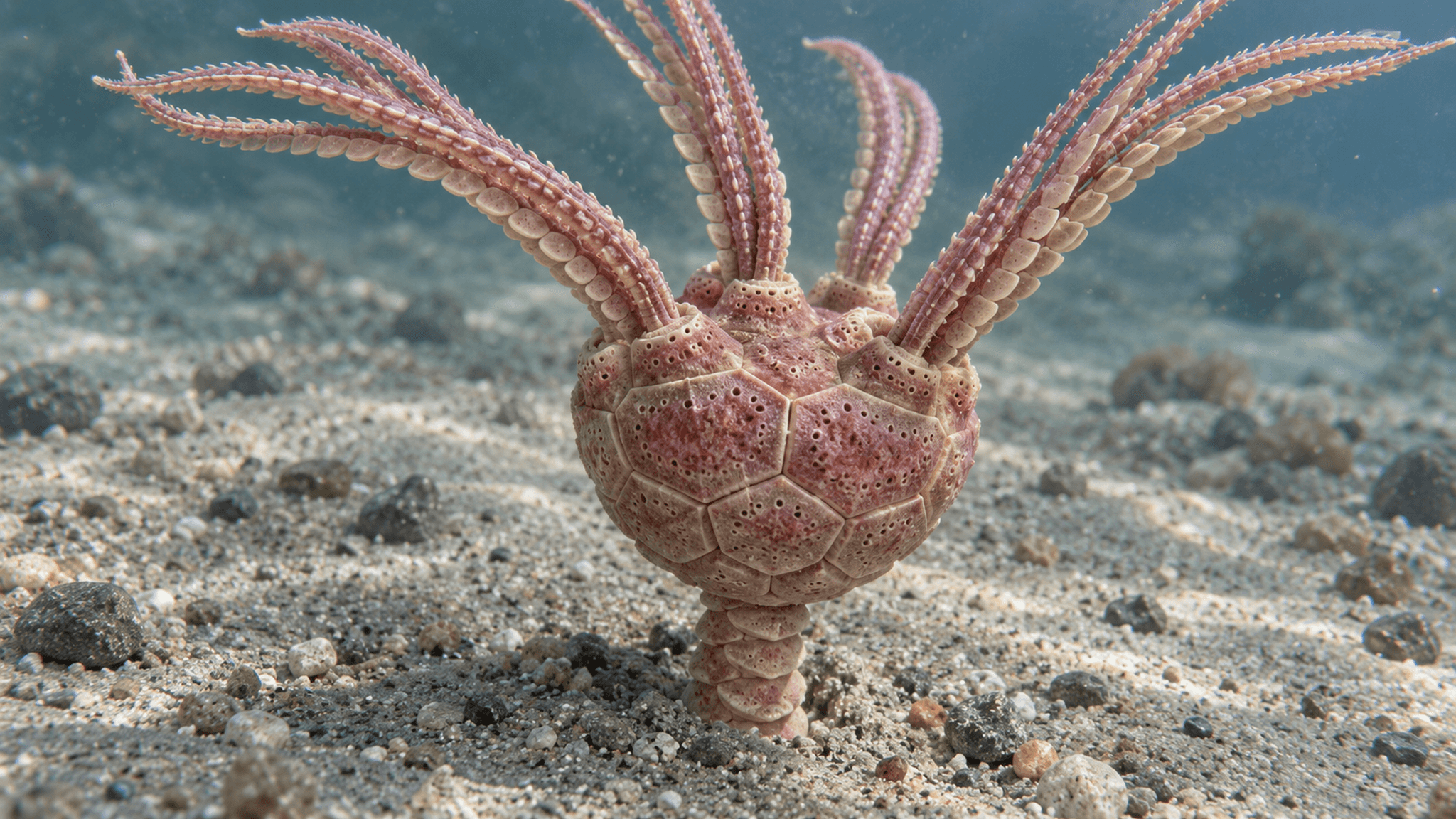
 · 30 Sept 2026A record-breaking find from Morocco: researchers have described the oldest echinoderm yet known from Africa. *Atlaseocrinus issafenensis* lived around 520 million years ago, just as this group of animals first appeared in the fossil record. The newcomer also shakes things up in Spain: a species described there in 2004 loses its former genus, all because of a single plate at the base of its body.
 Fossil Finds
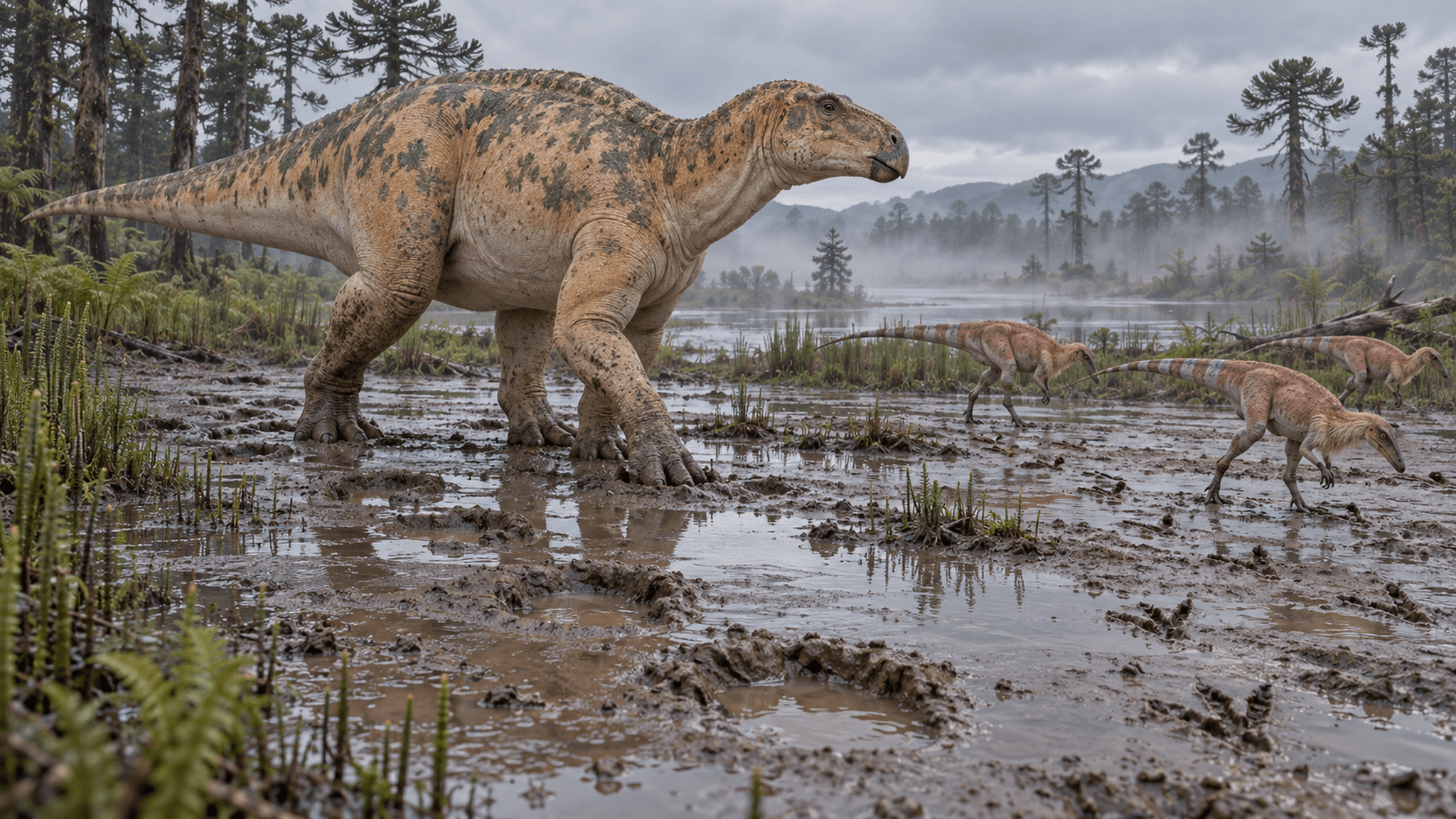
 · 30 Sept 2026A large herbivore and several smaller predatory dinosaurs left their footprints within a confined area, probably at around the same time. These dinosaur tracks from the Middle Jurassic of Yorkshire are a rare case. The region is packed with trackways, but evidence of different species moving through the same place at the same time is much harder to find there.
